

Enviro News Asia, Jakarta — Indonesia’s Forestry Ministry has defended its response to forest and land fires, saying it has deployed personnel, strengthened firefighting operations and imposed administrative sanctions on 32 companies as fires and haze continue to affect communities.
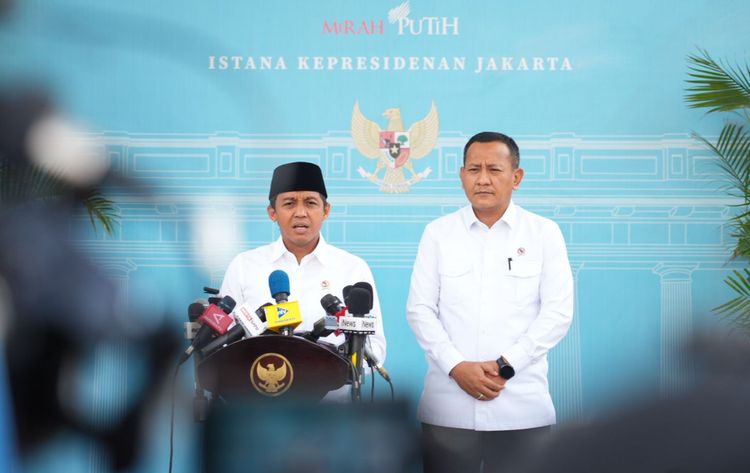
Deputy Forestry Minister Rohmat Marzuki responded on Wednesday to criticism from Greenpeace Indonesia, which questioned the government’s handling of the fires. He said the ministry respected public scrutiny but argued that assessments should also consider the resources deployed and the work undertaken by frontline personnel.
Rohmat acknowledged that continuing fires and smoke showed the need to strengthen operations and evaluate their effectiveness. He said the government needed to deliver tangible results, including bringing fires under control, reducing haze and restoring public safety.
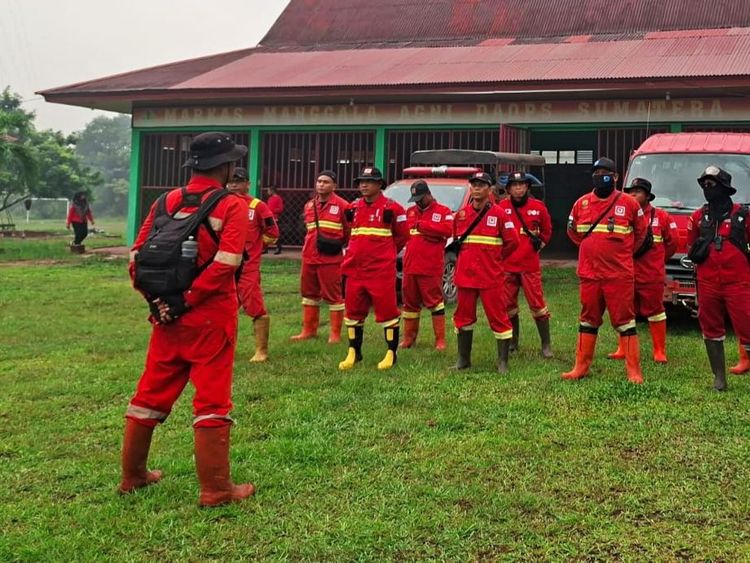
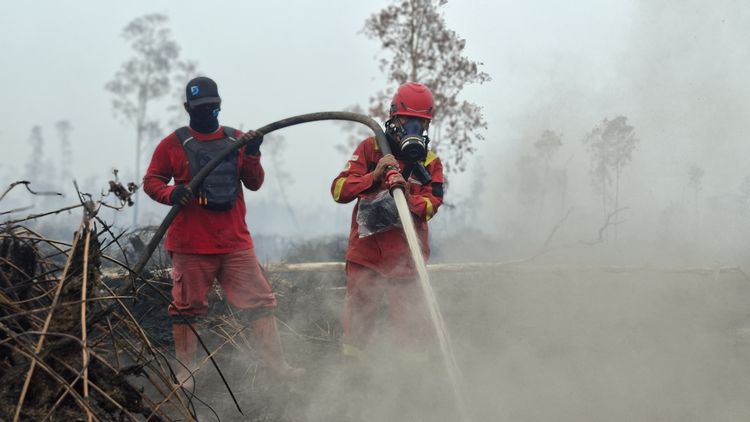
The ministry has deployed 1,419 Manggala Agni forest-fire personnel across six priority provinces, supported by 1,000 forest police officers assigned to assist operations in Kalimantan. Another 5,000 ministry civil servants have been placed on standby to provide support as needed.
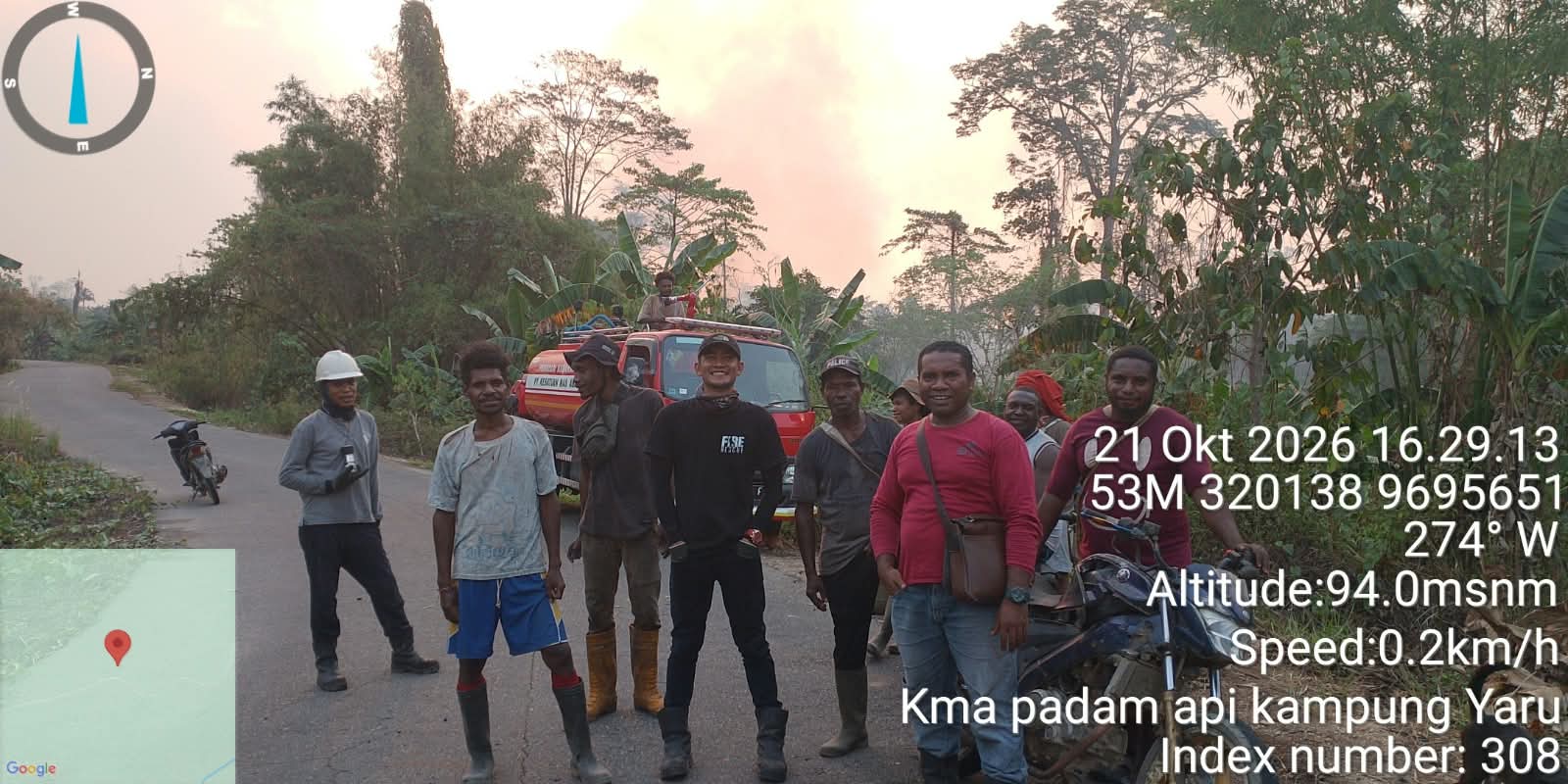
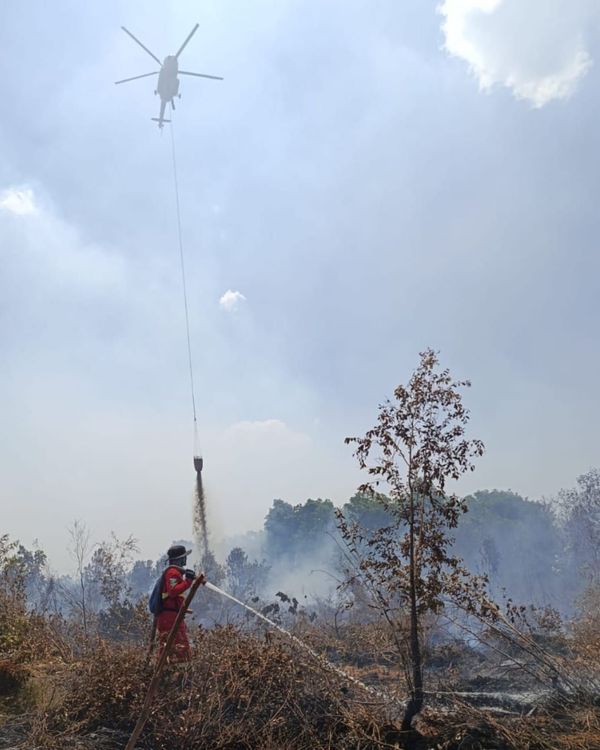
Firefighting teams are working with the military, police, regional governments, disaster management agencies and local communities to inspect hotspots, extinguish fires, contain their spread, wet fire-prone areas and search for remaining embers.
Peatlands require sustained cooling and monitoring because fires can persist beneath the surface and reignite even after visible flames have been extinguished.
The ministry is also supporting weather modification operations alongside the Meteorology, Climatology and Geophysics Agency (BMKG), the National Disaster Mitigation Agency (BNPB), the military and other agencies. Such operations depend on atmospheric conditions and flight safety requirements and are intended to complement, rather than replace, ground-based firefighting.
“We cannot wait for rain to respond to fires,” Rohmat said, emphasizing the need to coordinate ground operations, aerial support and ember suppression while prioritizing the safety of firefighters and residents.
As of Oct. 19, the ministry had imposed administrative sanctions on 32 companies. Criminal proceedings were also underway against 125 legal subjects, comprising corporations and individuals, at different stages of investigation and prosecution, depending on the available evidence.
The ministry said it was tightening oversight of forest-use permit holders, including their obligations to prevent fires, maintain firefighting personnel and equipment, respond to fires and restore affected areas.
Community participation is another component of the response. The ministry is working with 14,040 members of the Fire Care Community (MPA) across Indonesia’s 34 provinces to conduct patrols, promote land management without burning, report emerging threats and assist with initial responses under coordinated safety procedures.
Under a 2026 program targeting 500 sustainable MPA groups, 119 groups had been established and another 61 were being formed. A total of 320 villages had been designated for subsequent development.
Each group is designed to accommodate 30 members, giving the 500-group program a potential membership capacity of 15,000. The ministry clarified that this figure represents the program’s target capacity, not the number of members already established or deployed.
Prevention efforts also involve forest farmer groups, social forestry beneficiaries and Indigenous communities. As of September 2026, social forestry programs covered 1.437 million households across 8.46 million hectares. Meanwhile, the designation of 177 customary forests spanning 376,280 hectares had benefited 93,859 households.
The ministry said secure access to forest resources and economic benefits could encourage communities to protect their surrounding areas, prevent burning and report fire threats more quickly.
Wildlife protection operations are continuing alongside firefighting. According to a national tally updated on Oct. 8, authorities and conservation partners had handled 290 wild animals affected by fires, including 96 orangutans and 78 proboscis monkeys. The tally included both living animals and those found dead.
Residents have been urged to report affected wildlife to local conservation agencies or national park officers rather than attempt to evacuate animals themselves.
Rohmat said the ministry remained open to information from civil society groups, including Greenpeace, about fire locations, community needs and suspected violations.
He maintained that personnel deployments, firefighting operations, community assistance, wildlife rescue and legal enforcement were continuing, while acknowledging the need to keep improving efforts to control fires and reduce the harm caused by smoke. (*)