

Enviro News Asia, Jakarta — Indonesia recorded 93 high-confidence forest and land fire hotspots as of 9 p.m. local time on October 26, down by 54 from 147 a day earlier, according to the Forestry Ministry. Despite the decline, firefighting operations remain underway in several locations, particularly in South Sumatra, where the government has allocated Rp200 billion in presidential assistance to strengthen fire control efforts.
Data from the ministry’s SiPongi monitoring system showed that hotspots across six priority provinces fell from 26 to 10. West Kalimantan recorded five hotspots, Central Kalimantan three and South Sumatra two. No high-confidence hotspots were detected in South Kalimantan, Jambi or Riau.
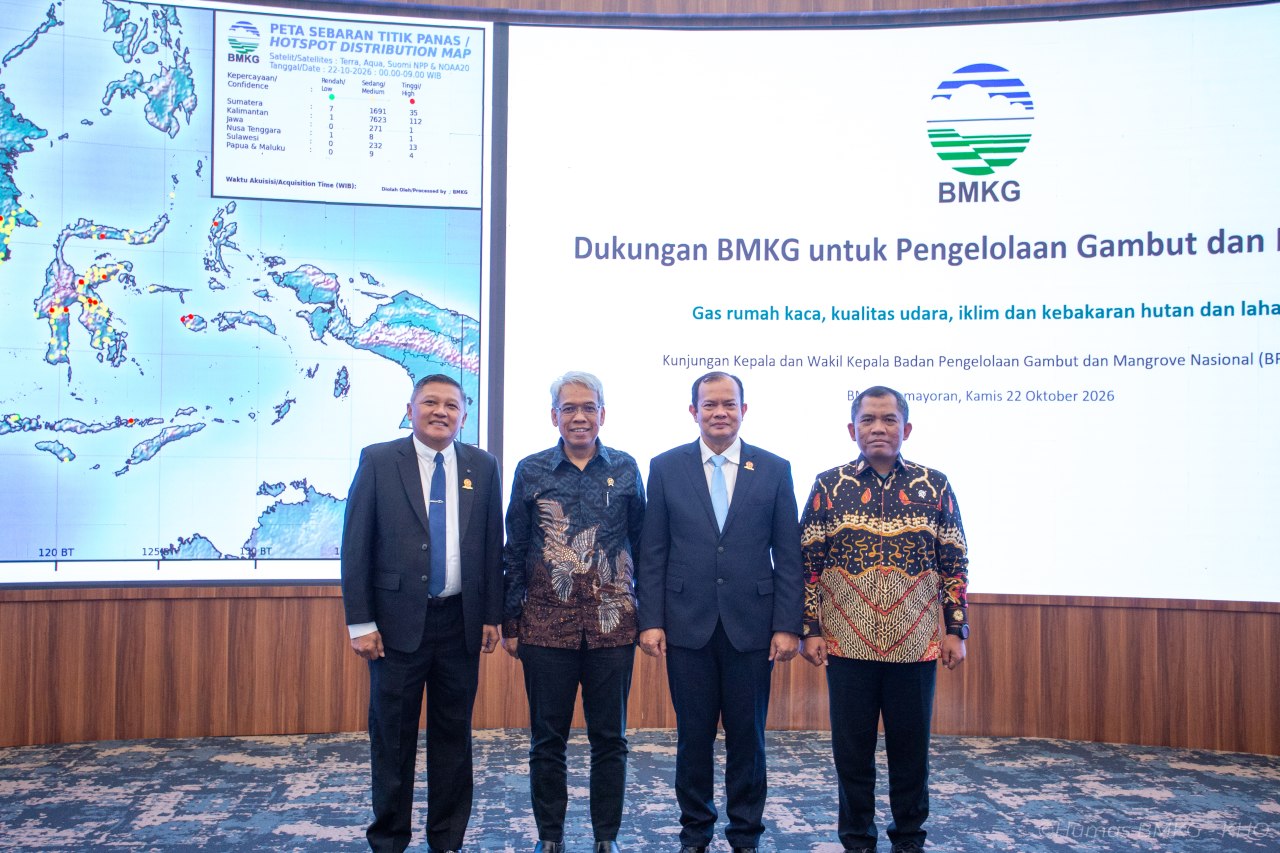
The ministry cautioned that fewer hotspots do not necessarily mean all fires have been extinguished. Satellite detections from NASA’s Terra/Aqua, Suomi NPP and NOAA-20 systems indicate surface-temperature anomalies that require ground verification and assessment of actual conditions.
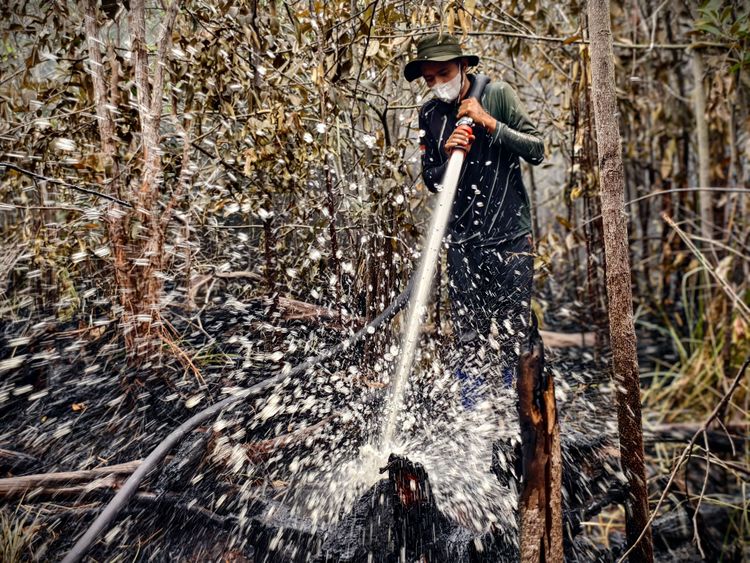
According to the ministry’s fire-control operations report for October 26, crews continued to tackle fires in several areas. In Jambi, Manggala Agni teams were working in Simpang Datuk, Nipah Panjang district, East Tanjung Jabung, where the fire affected peatland and a nature conservation area.
In South Sumatra, firefighters had extinguished a fire in Muara Baru, Ogan Ilir. However, several fires remained active in Padang Sugihan Wildlife Reserve in Banyuasin, where some locations were difficult to reach. Smoke was also detected in Putak village, Muara Enim, requiring further patrols and mop-up operations.
Firefighters declared the blaze extinguished in Dangku Wildlife Reserve, Musi Banyuasin, following joint operations involving Manggala Agni, the Indonesian Military, the Natural Resources Conservation Agency, the Watershed Management Agency and local communities.
In Ogan Komering Ilir, rain had fallen in Talang Rimba, Cengal district, before teams arrived to inspect the area. Drone surveillance and ground checks nevertheless identified active fires, prompting continued suppression efforts. Operations also continued against surface and underground fires in peatland in Tanjung Batu, Tulung Selapan.
The ministry stressed that peat fires can smoulder beneath the surface even after rainfall. Fire crews must therefore continue patrols, wetting, cooling, ember searches and mop-up operations until the affected areas are confirmed safe.
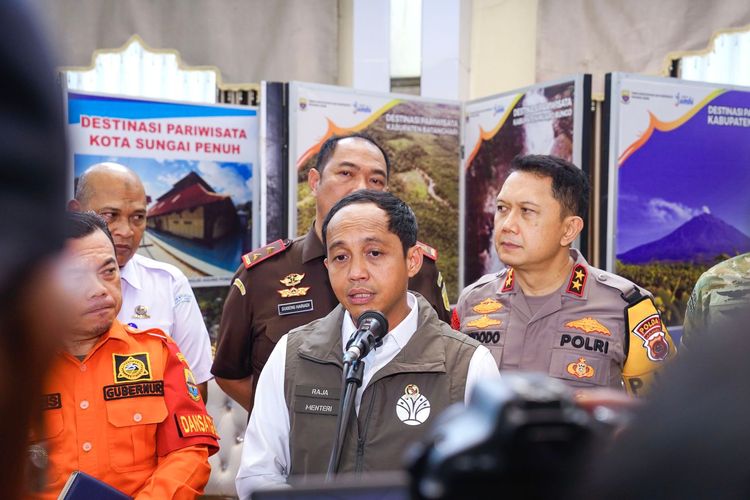
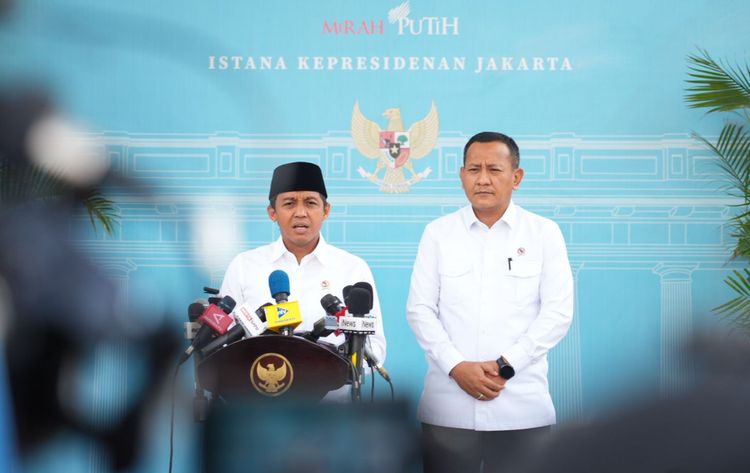
Forestry Minister Raja Juli Antoni reinforced the government’s response during a limited meeting with the South Sumatra provincial government in Palembang on October 26. The meeting focused on ensuring that central and regional government support was properly coordinated, including the use of presidential assistance for fire management.
President Prabowo Subianto has allocated Rp200 billion for South Sumatra’s forest and land fire response, the minister said. The funding was distributed in two phases. The first Rp100 billion went to the provincial government and the regencies of Ogan Komering Ilir, Musi Banyuasin, Banyuasin and Ogan Ilir. The remaining Rp100 billion was allocated to 10 other regencies and municipalities in the province.
Raja Juli called for the funds to be used transparently and accountably, with spending directed towards actual firefighting needs. The assistance supplements resources provided through the National Disaster Mitigation Agency, weather-modification operations, water bombing, Forestry Ministry operations and regional government budgets.
Aerial support has also been strengthened. As of October 25, a total of 61 aircraft were deployed for fire control, comprising 24 aircraft for patrols, CASA operations and weather modification, and 37 helicopters for water bombing.
Manggala Agni teams continue to work alongside the National Disaster Mitigation Agency, military and police personnel, the Meteorology, Climatology and Geophysics Agency, regional disaster management agencies, local governments, community fire groups, businesses and other partners. Their activities include patrols, ground verification, direct firefighting, firebreak operations, wetting, ember searches, mop-up operations and cooling.
The Forestry Ministry said the success of fire management should not be measured solely by declining hotspot numbers. The key indicators are whether flames and embers have been fully extinguished, fires have been prevented from recurring, smoke impacts have eased, communities are protected, and forests and biodiversity remain safeguarded. (*)