

Enviro News Asia, Geneva — The World Meteorological Organization (WMO) has warned that the El Niño now building in the Pacific could be the strongest since modern monitoring began four decades ago, with sea surface temperatures forecast to run as much as 3.8 degrees Celsius above average between November and January.
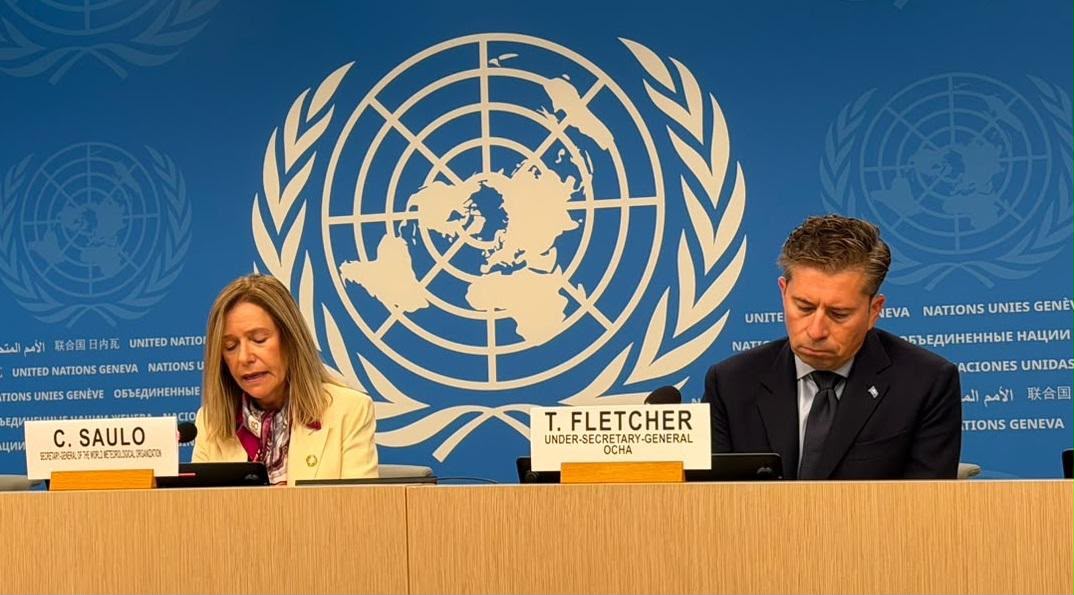
WMO Secretary-General Celeste Saulo told a press conference in Geneva on Wednesday that the event could be unprecedented in strength, going “literally off the monitoring charts” the agency has used for the past 40 years. The projection comes from the WMO’s latest Global Seasonal Climate Update.
El Niño is generally declared when sea surface temperature anomalies in the tropical Pacific reach about 0.5 degrees Celsius above normal. The latest forecast far exceeds that threshold.
The agency said the event would peak toward the end of 2026, but its effects would linger well into 2027. In an earlier update, the WMO put the likelihood of El Niño persisting through February 2027 at nearly 100 percent. Saulo said a very strong El Niño disrupts temperature and rainfall patterns across many regions. “We are already witnessing extreme weather events and expect these to multiply,” she said, adding that the impacts would cascade as the phenomenon intensifies.
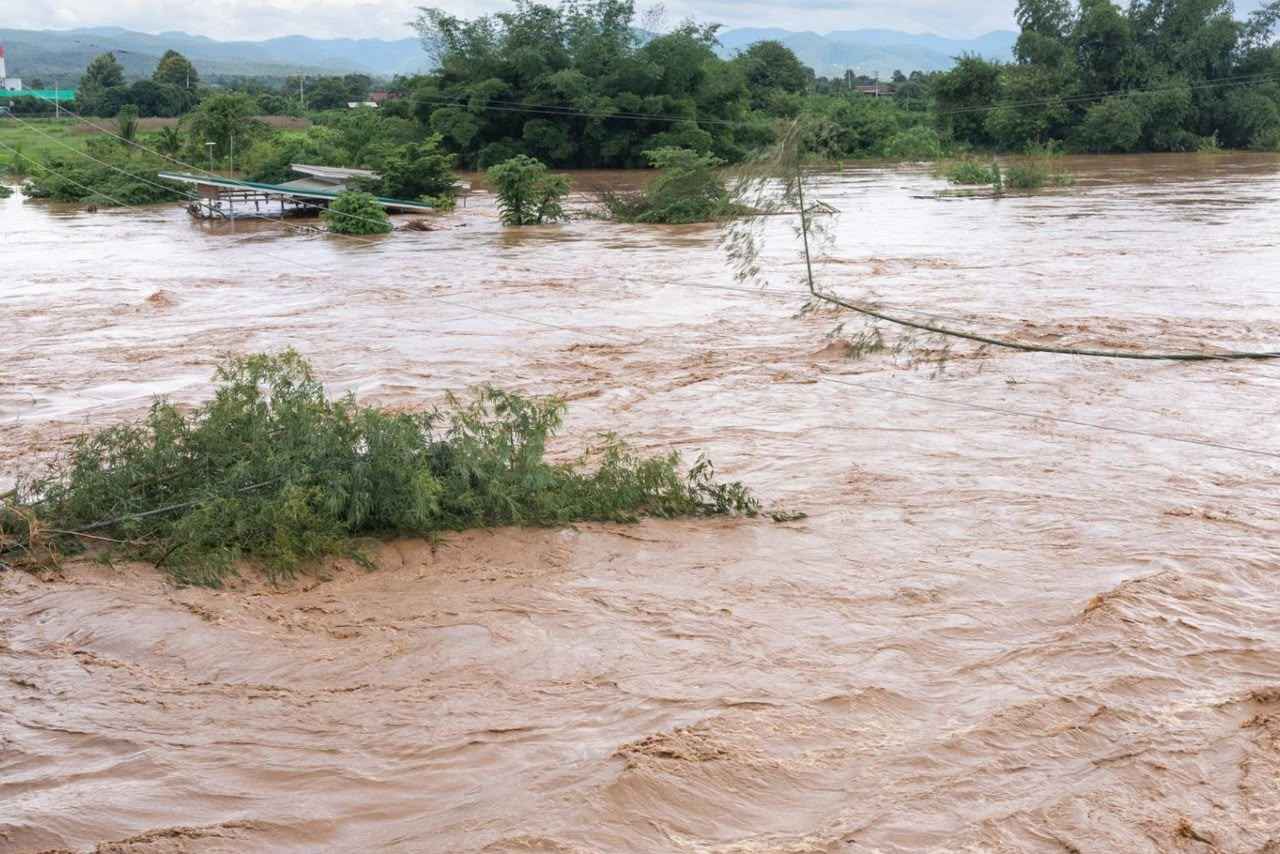
Past strong El Niño events have brought drought, heatwaves and wildfires to parts of Southeast Asia, southern Africa, Central America and the Amazon basin, while East Africa and parts of North and South America have faced a higher risk of flooding.
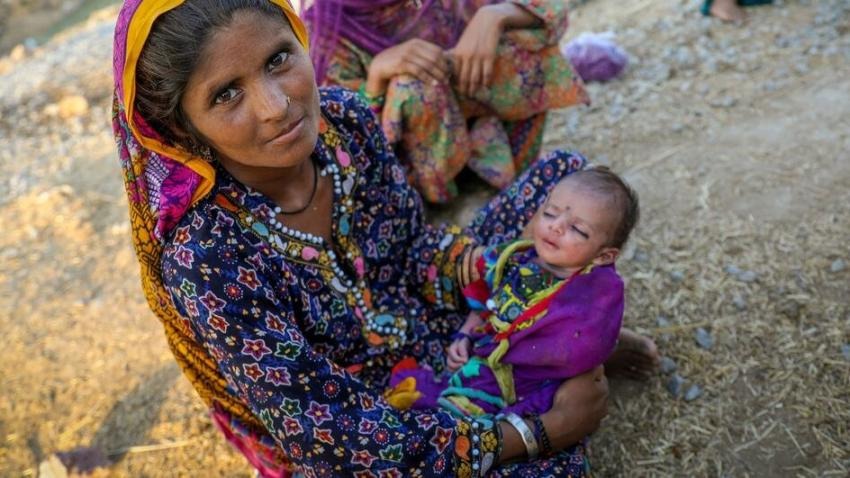
Saulo appeared alongside UN Emergency Relief Coordinator Tom Fletcher, saying a powerful El Niño “does not have to be a recipe for humanitarian disaster”. She said the WMO’s priority was to supply science-based information so governments and aid groups could anticipate risks, prepare operations and protect vulnerable populations, including refugees, displaced people and communities living in conflict.
“We cannot stop El Niño,” she said.
Fletcher described the phenomenon as a “wrecking ball” of extreme heat, drought and flooding that could trigger massive humanitarian consequences. He said he had released US$50 million to help 11 frontline countries, including Chad, El Salvador, Ethiopia, Somalia and South Sudan. (*)