Enviro News Asia, Antalya — Indonesia has called for stronger implementation of Article 6 of the Paris Agreement to ensure that international cooperation through market-based and non-market approaches supports national climate targets while delivering transparent, high-integrity and equitable benefits, particularly for developing countries.
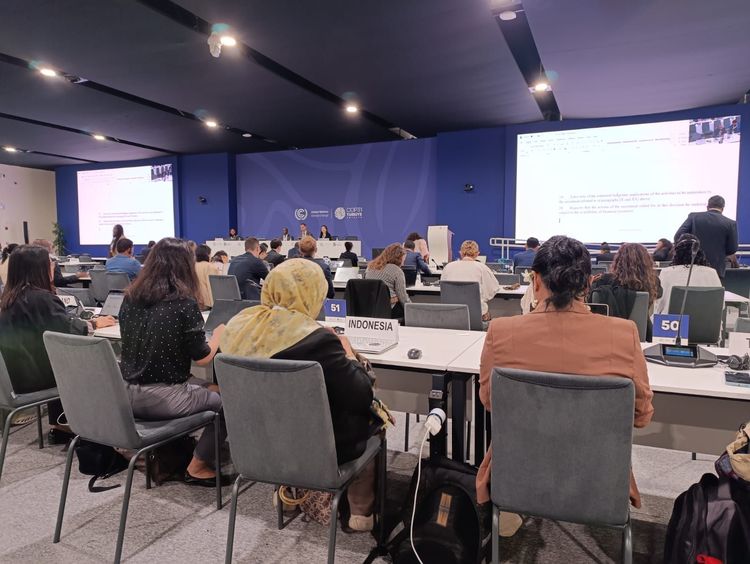
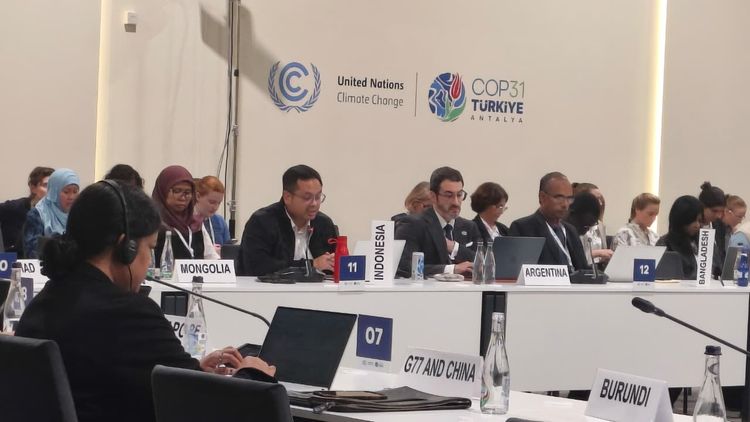
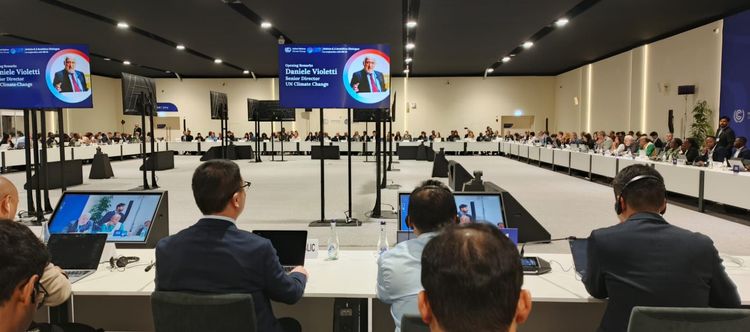
During negotiations at the 31st UN Climate Change Conference (COP31) in Antalya on November 18, Indonesia highlighted the need to broaden participation, strengthen financial and capacity-building support, and accommodate mitigation opportunities across various sectors while safeguarding environmental integrity and supporting Nationally Determined Contributions (NDCs).
One of Indonesia’s priorities is the development of methodologies under Article 6.4, known as the Paris Agreement Crediting Mechanism (PACM), to accommodate mitigation potential in forestry, land use and relevant blue carbon ecosystems. The country stressed the importance of methodologies suited to the characteristics of these sectors, covering both emissions reductions and increased greenhouse gas removals.
Although several activity methodologies have been approved under the PACM, further development is needed to cover forestry activities. Meanwhile, several related methodology proposals are undergoing assessment. Indonesia urged the Supervisory Body of the Article 6.4 mechanism to continue giving attention to their development and assessment while ensuring compliance with established standards and procedures.
Indonesia also stressed that methodologies must ensure mitigation outcomes are real, measurable, verifiable and meet the principle of additionality. For forestry and land-use activities, safeguards must address emissions leakage, the risk of non-permanence and reversals of carbon removals, as well as environmental and social protection.
The government further underlined the importance of transparent, accountable and facilitative governance. Developing countries need adequate and sustained support to strengthen their readiness, including assistance with project development, methodology implementation, measurement and reporting, and compliance with mechanism requirements.
International cooperation under Article 6 must contribute to NDC achievement, prevent double counting and respect the authority of participating countries in accordance with the Paris Agreement.
Under Article 6.8, which covers non-market approaches, Indonesia called for improved access for developing countries to partners, financing, technology and capacity-building to support climate mitigation and adaptation. Such cooperation should remain voluntary, involve no transfer of mitigation outcomes and comply with agreed criteria.
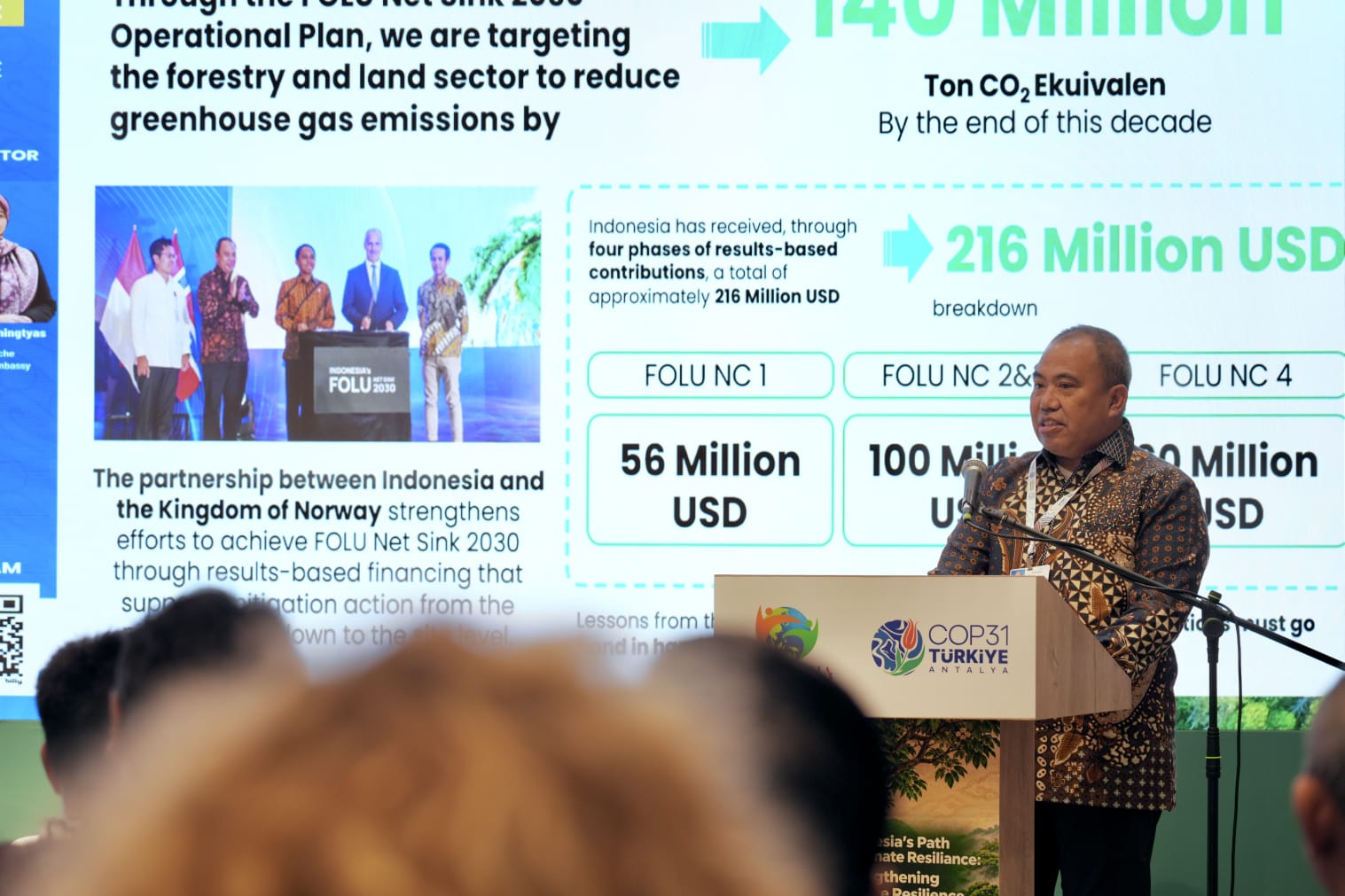
For the Ministry of Forestry, stronger implementation of Article 6 offers opportunities to expand support for sustainable forest management, conservation and ecosystem restoration while increasing benefits for communities. However, the use of these opportunities must remain aligned with national priorities, safeguard environmental integrity and contribute to Indonesia’s climate targets.
Indonesia said it would continue participating constructively in negotiations to promote inclusive implementation of Article 6, protect the interests of developing countries and deliver tangible benefits towards the goals of the Paris Agreement. (*)