Enviro News Asia, Antalya — Indonesia is pushing for fairness in global climate negotiations at COP31, seeking to ensure that international climate policies protect the interests of developing countries and support the sustainable management of its forestry sector.
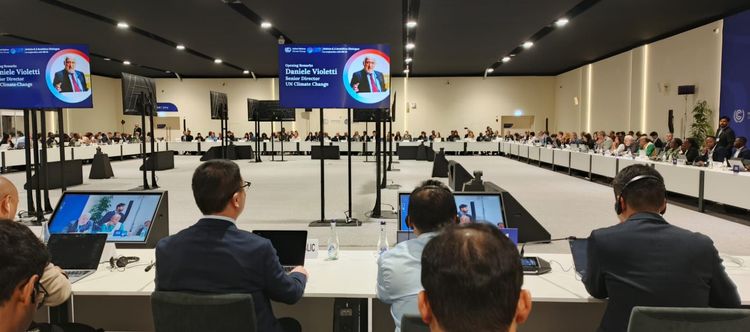
Discussions on the Enhanced Transparency Framework (ETF) and the Global Stocktake (GST) are directly affecting Indonesia’s forest governance and its opportunities to access performance-based climate finance.
On transparency, COP31 negotiations are moving towards a single Paris Agreement reporting system. However, disagreements remain over whether developing countries will receive sufficient financial support to prepare greenhouse gas inventories and Biennial Transparency Reports (BTRs).
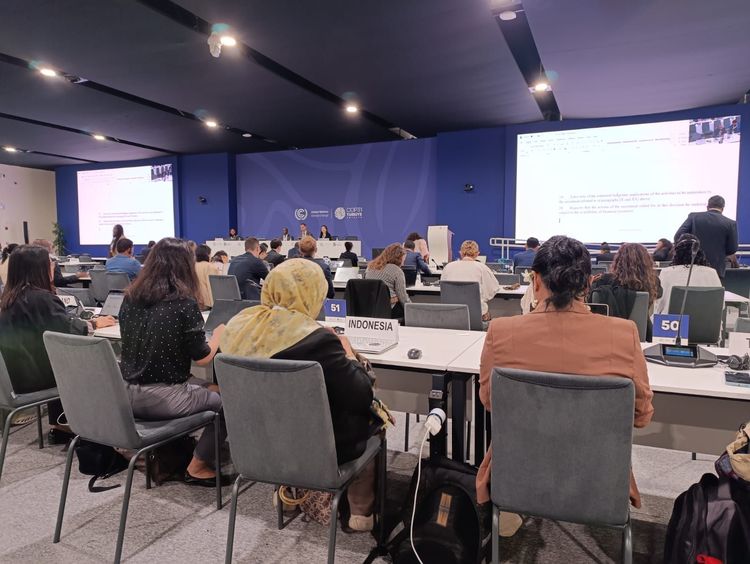
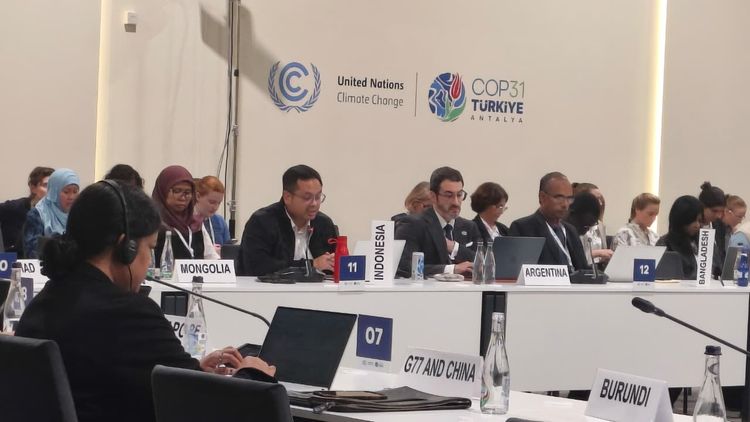
Working with the G77 and China bloc, Indonesia has consistently advocated fairness to prevent additional administrative burdens on developing countries. It has also highlighted the critical role of forest resources in global climate action, supported by credible monitoring systems and equitable carbon market mechanisms.
During discussions on the GST and the preparation of the COP31 Cover Decision, Indonesia proposed recognising the protection and conservation of peatland ecosystems as tangible contributions to limiting global temperature increases. The proposal would strengthen the role of peatland restoration in follow-up action to the global climate assessment while improving Indonesia’s prospects of securing international financing and technology transfers.
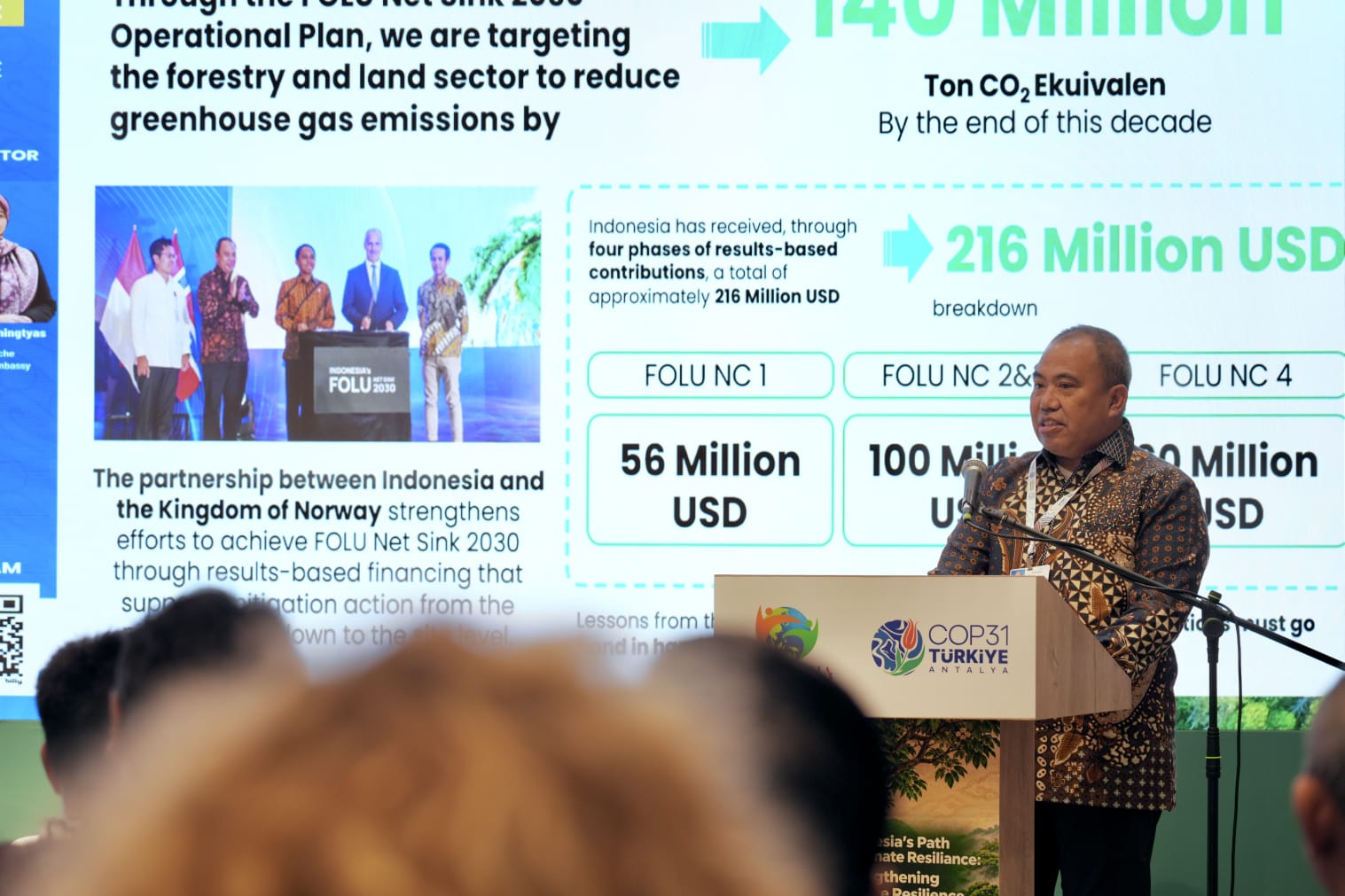
At the national level, Indonesia is strengthening the accuracy of forestry-sector reporting by integrating the National Registry System for Climate Change Control (SRN PPI) with the National Forest Monitoring System (SIMONTANA). The integration is essential to validate progress towards Indonesia’s FOLU Net Sink 2030 target and facilitate access to results-based payments.
In negotiations on the impacts of response measures, Indonesia and other G77 and China members have stressed that developing countries must be treated as key stakeholders. Their interests, they said, should be considered in every assessment of the social and economic consequences of global climate policies.
Regarding economy-wide Nationally Determined Contributions (NDCs), Indonesia has called for the forestry sector to be included in analyses of carbon-related trade policy instruments, including the Carbon Border Adjustment Mechanism (CBAM). This, it said, is necessary to prevent pressure on national economic competitiveness and ensure that the transition to low-carbon development remains fair and inclusive without harming communities dependent on natural resources.
Indonesia also wants analytical assessments of the impacts of response measures to be reflected in the GST process. It argues that mitigation policies in the land and forestry sectors must be accompanied by international cooperation, technology transfers and adequate financing to sustain economic growth, create green jobs and protect affected communities.
The government is pursuing several strategic priorities in the negotiations. These include securing the inclusion of peatland ecosystem protection and conservation in the final text of the COP31 Cover Decision; ensuring that technical review guidance under Article 6.2 respects the integrity and sovereignty of Indonesia’s national REDD+ methodologies under Article 5.2; and securing predictable financial and capacity-building support for the continued preparation of BTRs.
Indonesia is also seeking to prevent new reporting requirements from creating additional burdens for developing countries.
Through sustained international diplomacy and stronger domestic forestry governance, the government said it remains committed to ensuring that global climate policies deliver equitable economic benefits, particularly for communities living in and around forests. (*)