Enviro News Asia, Jakarta – The Ministry of Forestry has released its annual monitoring results on forest conditions and deforestation rates in Indonesia.
This monitoring was conducted comprehensively across Indonesia’s 187 million hectares of land, both within and outside designated forest areas, using Landsat satellite imagery provided by the National Research and Innovation Agency (BRIN).
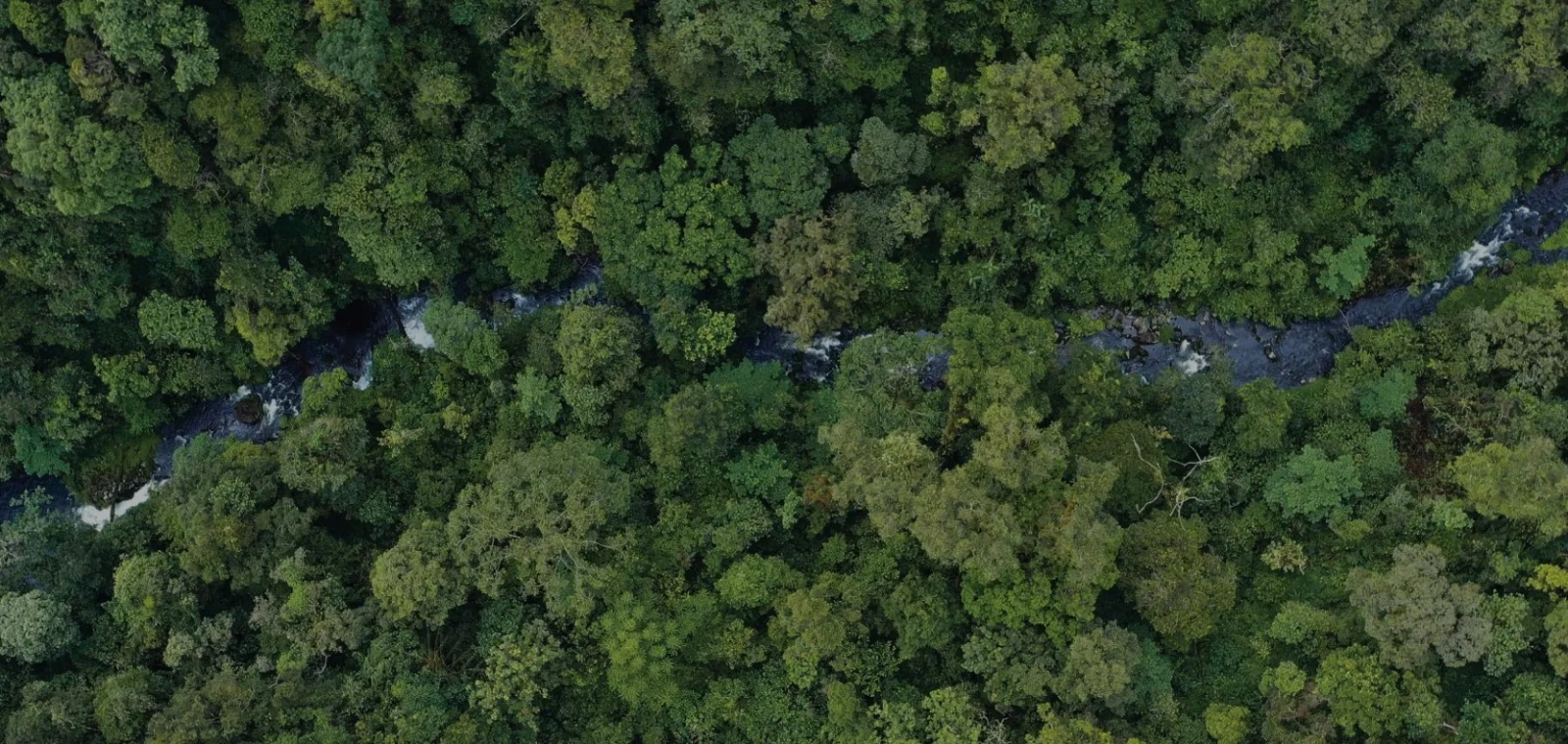
According to a press release from the Ministry of Forestry on Friday (March 21, 2025), the monitoring results show that Indonesia’s forested land in 2024 covered 95.5 million hectares, or 51.1% of the country’s total land area. Of this, approximately 91.9% (87.8 million hectares) is located within designated forest areas.
Meanwhile, the net deforestation rate in 2024 was recorded at 175,400 hectares. This figure is derived from gross deforestation of 216,200 hectares, offset by reforestation efforts totaling 40,800 hectares.
The majority of gross deforestation occurred in secondary forests, covering 200,600 hectares (92.8%), with 69.3% taking place within forest areas and the remainder outside.
To curb deforestation, the Ministry of Forestry has carried out reforestation efforts through the Forest and Land Rehabilitation (RHL) program, covering 217,900 hectares in 2024. This includes 71,300 hectares within forest areas and 146,600 hectares outside forest areas, funded through both state and non-state budgets.
Over the past decade, the average annual Forest and Land Rehabilitation area has been around 230,000 hectares. This figure serves as a reference for reducing deforestation rates, contributing to increased forest cover, mixed agricultural land (agroforestry), and the regeneration of secondary forests.
Compared to previous years, the deforestation trend has shown a slight increase but remains lower than the average rate over the past decade. This indicates that various policies and efforts by the Ministry of Forestry to preserve forests are beginning to yield significant results.
Several strategic measures have been implemented to reduce deforestation, including:
Forest and Land Fire Control
Implementation of the Presidential Instruction on the Moratorium and Improvement of Governance for Primary Natural Forests and Peatlands
Peatland Degradation and Climate Change Control
Limiting Forest Area Reallocation for Non-Forestry Sectors
Sustainable Forest Management and Social Forestry Initiatives
Forest and Land Rehabilitation
Forestry Law Enforcement
These efforts align with Indonesia’s FOLU Net Sink 2030 program, which aims to reduce carbon emissions from the forestry and land-use sectors and achieve a balance between carbon emissions and absorption by 2030. ***