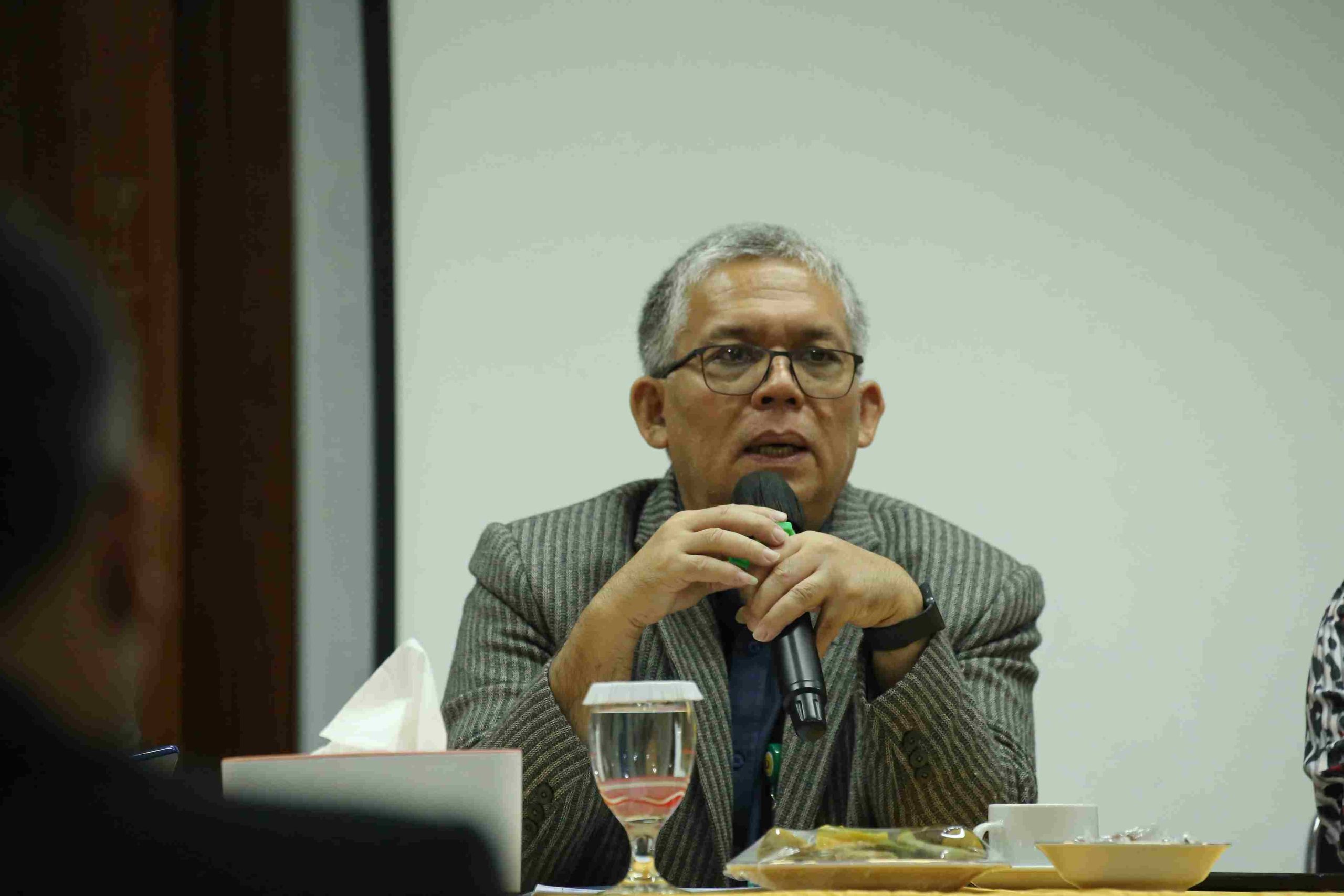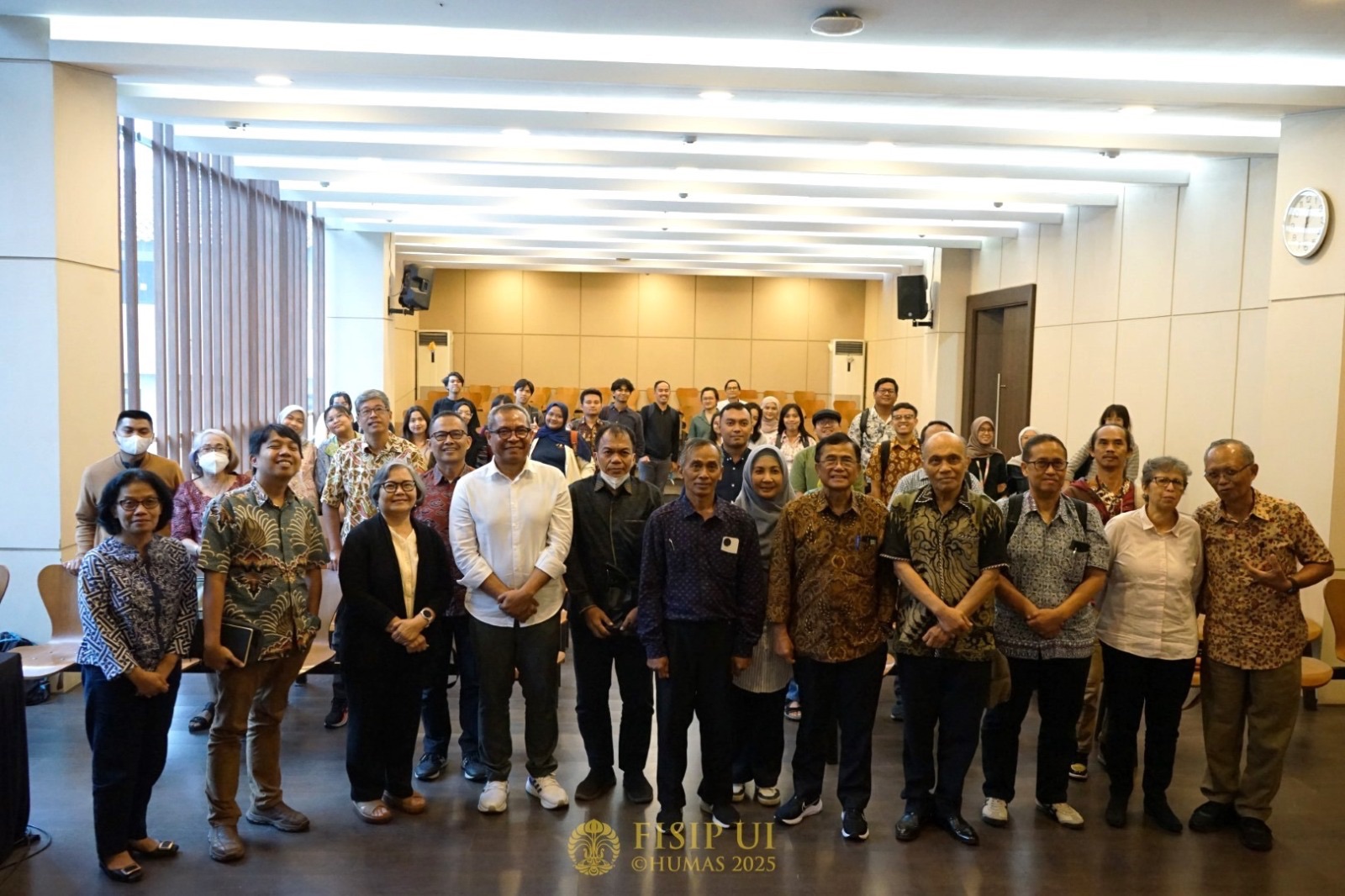
Enviro News Asia, Depok – The Living Space and Socio-Political Transformation Cluster of the Department of Anthropology, Faculty of Social and Political Sciences, Universitas Indonesia (FISIP UI), held a seminar and launched a policy brief titled “Preserving Forest Ecosystems for Emission Reduction and Community Justice in Living Spaces” on Tuesday (March 11) at the Mochtar Riady Auditorium, FISIP UI.
In its press release, the Anthropology Department of Universitas Indonesia explained that the event aimed to analyze recent forestry policies, particularly the allocation of 20 million hectares of land for food and energy, and to identify the implications for biodiversity and carbon emissions. The event also explored alternative policies that are more sustainable and just for Indigenous and local communities, in the search for the best possible solutions. The seminar also aimed to foster dialogue between the government, academics, civil society, and affected communities.
According to Sulistyowati, the policy brief analyzes two documents issued by the Ministry of Forestry: the Ministry’s statement on allocating 20 million hectares of land for food and energy self-sufficiency, and the Ministry’s priority program under President Prabowo Subianto’s “Red and White Cabinet.”
Several key concerns were raised during the seminar, including ensuring that production does not negatively impact nature conservation or increase carbon emissions. It also stressed the importance of preventing the escalation of agrarian conflicts and ensuring that the Ministry of Forestry’s programs do not cause local and Indigenous communities to lose access to their managed territories, which would result in landlessness.
The seminar also highlighted the need for government policies not to eliminate local food diversity or destroy communities’ livelihoods. It emphasized the importance of preventing policies that disrupt the biocultural relationships between Indigenous peoples and their forests and natural resources—relationships that are vital to their cultural and physical survival.
The policy brief was compiled by Suraya A. Afiff, Triarko Nurlambang, Sulistyowati Irianto, Budi Haryanto, and Ida Ruwaida. They put forward several recommendations, including the need to ensure a balanced use of land that serves not only production interests but also integrates environmental conservation and the interests of local and Indigenous communities. One example of a strategy to build spatial harmonization can be seen in a study by Conservation International on the food estate program in Merauke. The brief also emphasizes the importance of integrating strategies to prevent violations of Indigenous and local communities’ rights to food and energy.