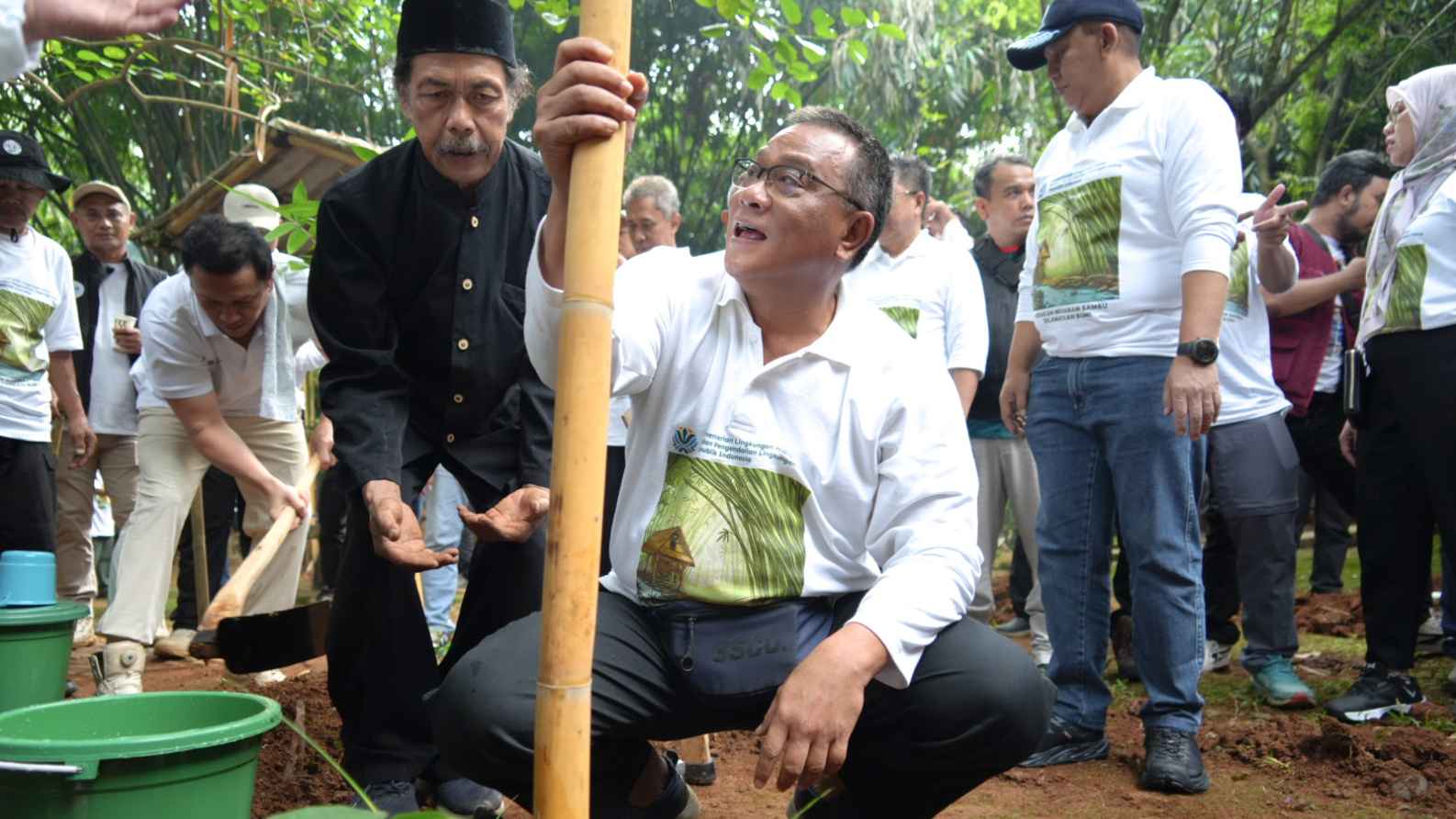
Enviro News Asia, Bogor — Indonesia’s Environment Minister and Head of the Environmental Control Agency (KLH/BPLH), Moh Jumhur Hidayat, has called for an ecological conversion movement to address the country’s environmental challenges and strengthen the national campaign to plant two billion trees, with bamboo positioned as a key nature-based solution.
Speaking at the “Planting Bamboo Movement – Save the Earth” gathering in Bogor, West Java, as part of the 2026 World Environment Day commemoration, Jumhur said environmental crises, including climate change, land degradation, pollution, and biodiversity loss, require more than technical solutions and demand a fundamental shift in human attitudes and behavior toward nature.
He described ecological conversion as a transformation in the way people understand and interact with the environment, stressing that society must move beyond awareness and become actively involved in restoration efforts.
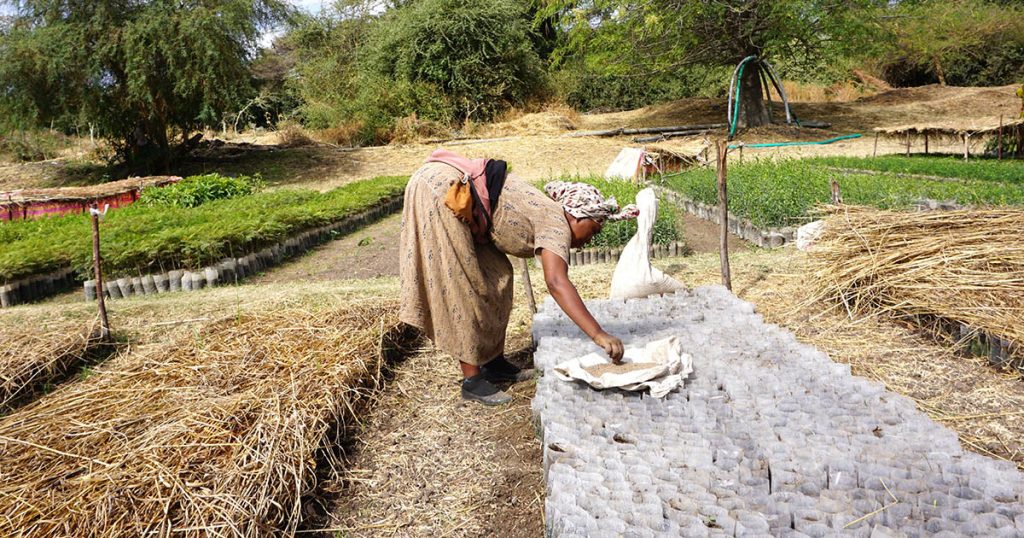
According to Jumhur, the government’s two-billion-tree initiative represents a major national agenda aimed at ecosystem restoration, rehabilitation of degraded land, and strengthening environmental resilience. He said bamboo plays a strategic role in the program because of its ecological functions in protecting water resources, controlling erosion, absorbing carbon, and generating social and economic benefits for communities.
KLH/BPLH is currently intensifying environmental rehabilitation efforts by expanding vegetation cover, restoring watersheds, and promoting community-based green economic activities. The ministry expects the Nusantara Bamboo Planting Movement to become one of the driving forces supporting these initiatives over the long term.
Abah Jatnika, chairman of the Indonesian Bamboo Craftsmen Foundation, said bamboo represents not only a conservation plant but also an important element of Indonesia’s cultural identity. He noted that bamboo has inspired valuable creations ranging from architecture to traditional musical instruments such as the angklung, making bamboo conservation essential for preserving cultural heritage while encouraging community participation in environmental protection.
Closing the event, Jumhur emphasized that the success of environmental movements should not be measured solely by the number of trees planted but by the growth of public awareness and long-term participation in protecting nature.
He said bamboo should become a symbol of collaboration and hope, demonstrating that everyone can contribute to safeguarding the planet for future generations.
KLH/BPLH called on government institutions, businesses, academic communities, civil society groups, and the public to strengthen the two-billion-tree campaign as part of a broader ecological conversion movement aimed at ensuring environmental sustainability and protecting the welfare of future generations. (*)