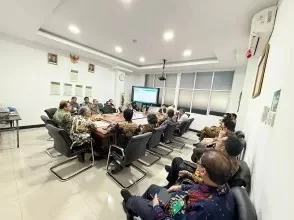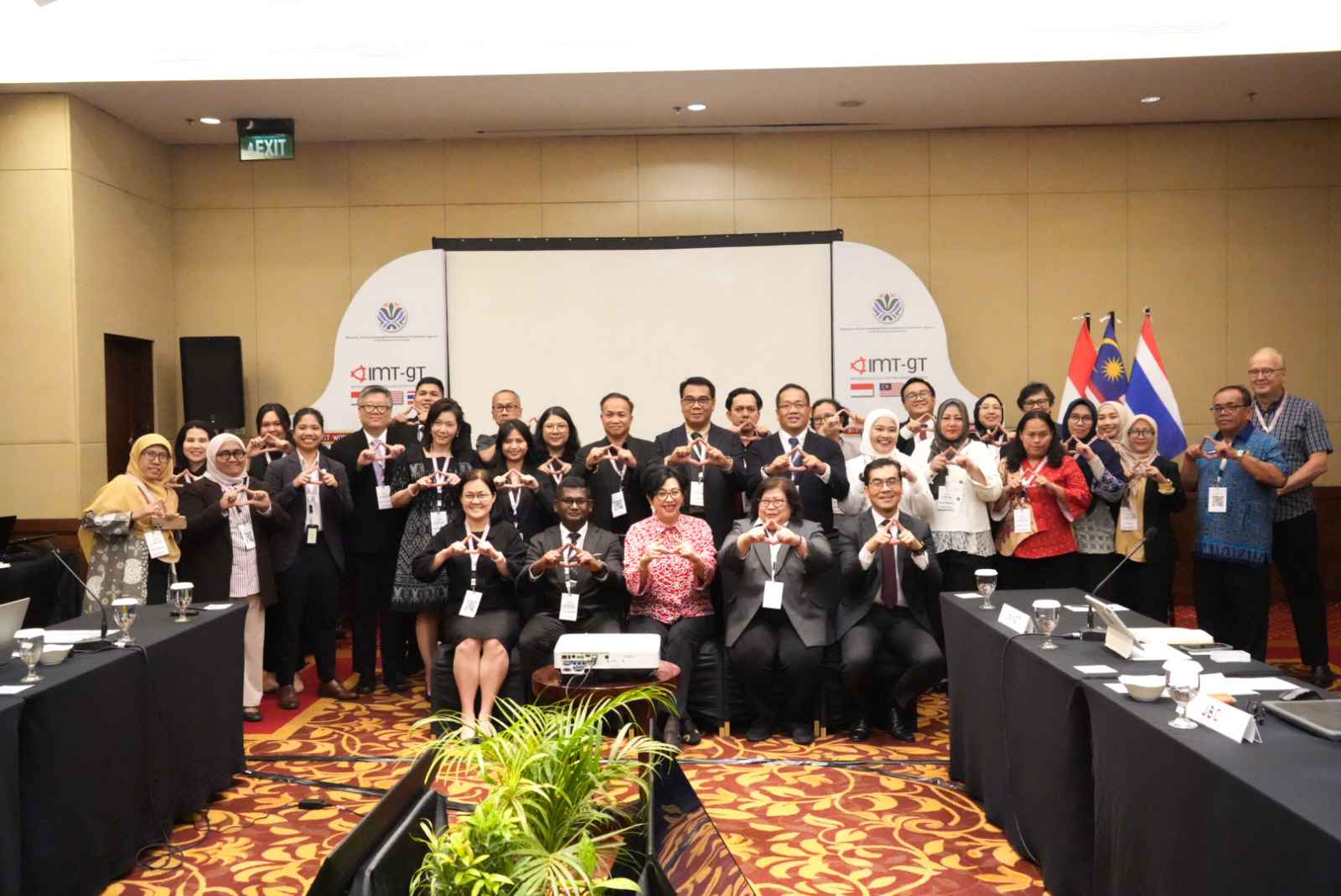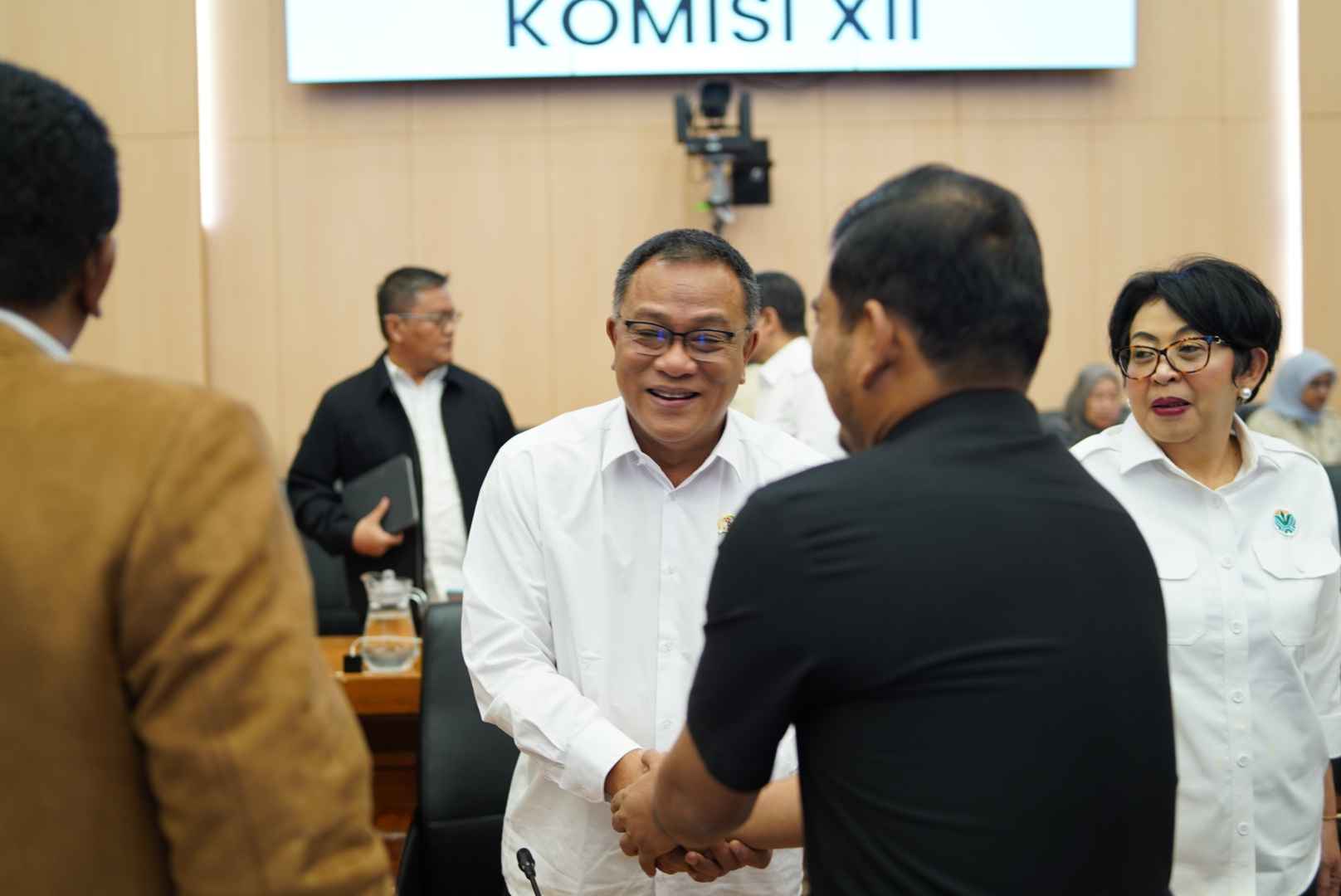
Enviro News Asia, Jakarta – The Ministry of Environment/Environmental Control Agency (KLH/BPLH) is making waste management one of its top priorities for 2027. The focus emerged during a working meeting and hearing with House Commission XII in Jakarta, which also highlighted the mounting pressure on final waste processing sites (TPA) and the need to strengthen waste management programs that directly involve the public.
Minister of Environment/Head of BPLH Moh. Jumhur Hidayat stressed that success in environmental management depends not only on regulation and law enforcement but also on active public participation.
“Environmental problems cannot be solved by the government alone. Programs that directly reach the public must be strengthened, because the success of environmental protection ultimately depends on public participation,” Minister Jumhur said.
This commitment is reflected in KLH/BPLH’s 2027 policy direction, which places waste management, environmental quality improvement, climate change control, and the strengthening of community-based activities as top priorities. To support this agenda, KLH/BPLH has proposed an indicative budget ceiling of Rp 1.128 trillion for fiscal year 2027.
Beyond supporting national priority programs, the budget is directed toward strengthening the Safe, Healthy, Clean, and Beautiful Indonesia (ASRI) movement on waste management, environmental quality recovery, environmental damage control, post-disaster rehabilitation, environmental law enforcement, and environmental quality monitoring.
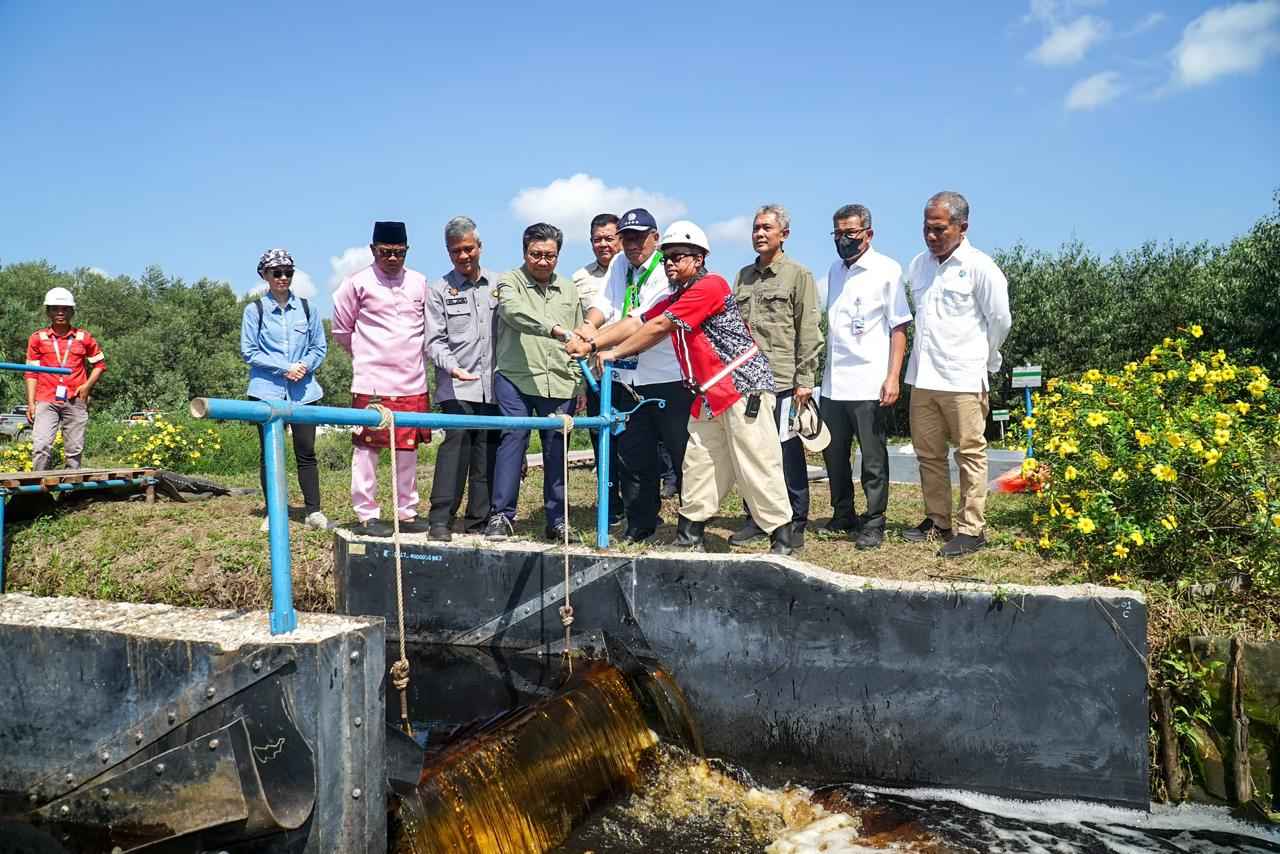
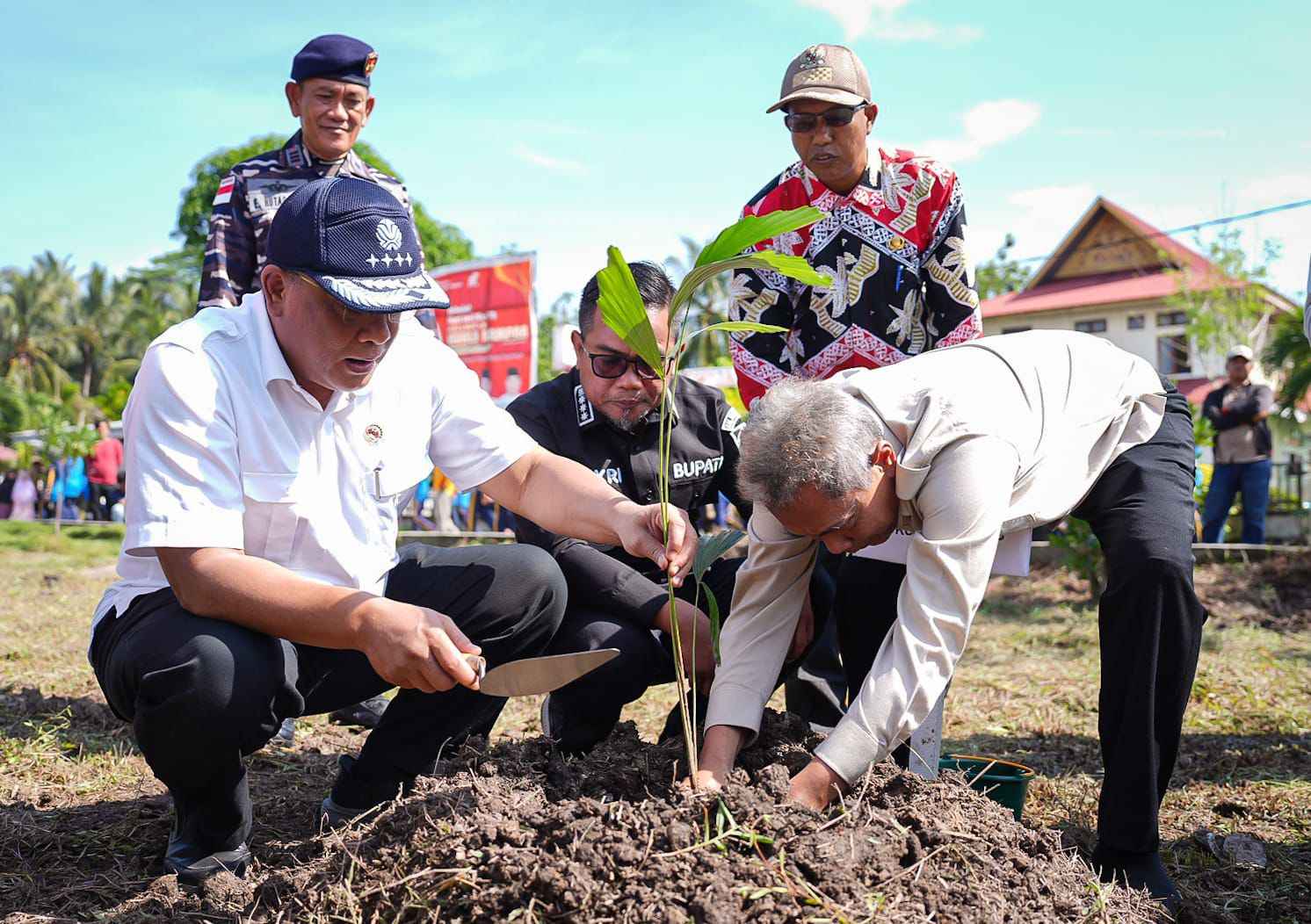
Throughout 2026, KLH/BPLH has run various community-based programs through the provision of waste motorcycles, sorted waste bins, composters, and waste management education and outreach activities. By mid-year, procurement of waste motorcycles had reached 451 units out of a target of 490.
In 2027, these programs will be further strengthened through an increase in the community-based activity allocation to more than Rp 105 billion, nearly 50 percent higher than the previous year. The budget will be used to expand the provision of waste management facilities while strengthening public education and community assistance programs.
House Commission XII Chairman Bambang Patijaya said programs with a direct impact on the public need to be continuously strengthened to build greater environmental awareness and public participation.
“Programs that are directly felt by the public must be scaled up. Environmental awareness cannot be built through policy alone, but also through community involvement in real, on-the-ground programs,” Bambang said.
The discussion underscored that waste remains one of the environmental challenges demanding serious attention. Beyond stronger policies and supporting infrastructure, behavioral change among the public is seen as a critical factor in driving waste reduction and management from the source. (*)