Enviro News Asia, Jakarta – The Indonesian Forestry Entrepreneurs Association (APHI) is encouraging the acceleration of Landscape-Based Multi-Business Forestry (MUK) development in Bangka Belitung Islands to enhance forest productivity while strengthening local community economic empowerment.
The initiative promotes multi-stakeholder collaboration involving the central government, regional authorities, forest concession holders with Forest Utilization Business Licenses (PBPH), and communities living around forest areas. The approach aims to optimize forest resource potential sustainably through the development of both timber and non-timber forest products.
This landscape-based model is expected to improve the performance of production forest management while also strengthening the value chains of local commodities and creating opportunities for downstream forest-based industries.
The initiative aligns with government policies to expand social forestry programs and promote partnerships between forestry companies and local communities as part of broader efforts to resolve social conflicts in forest areas and improve community welfare.
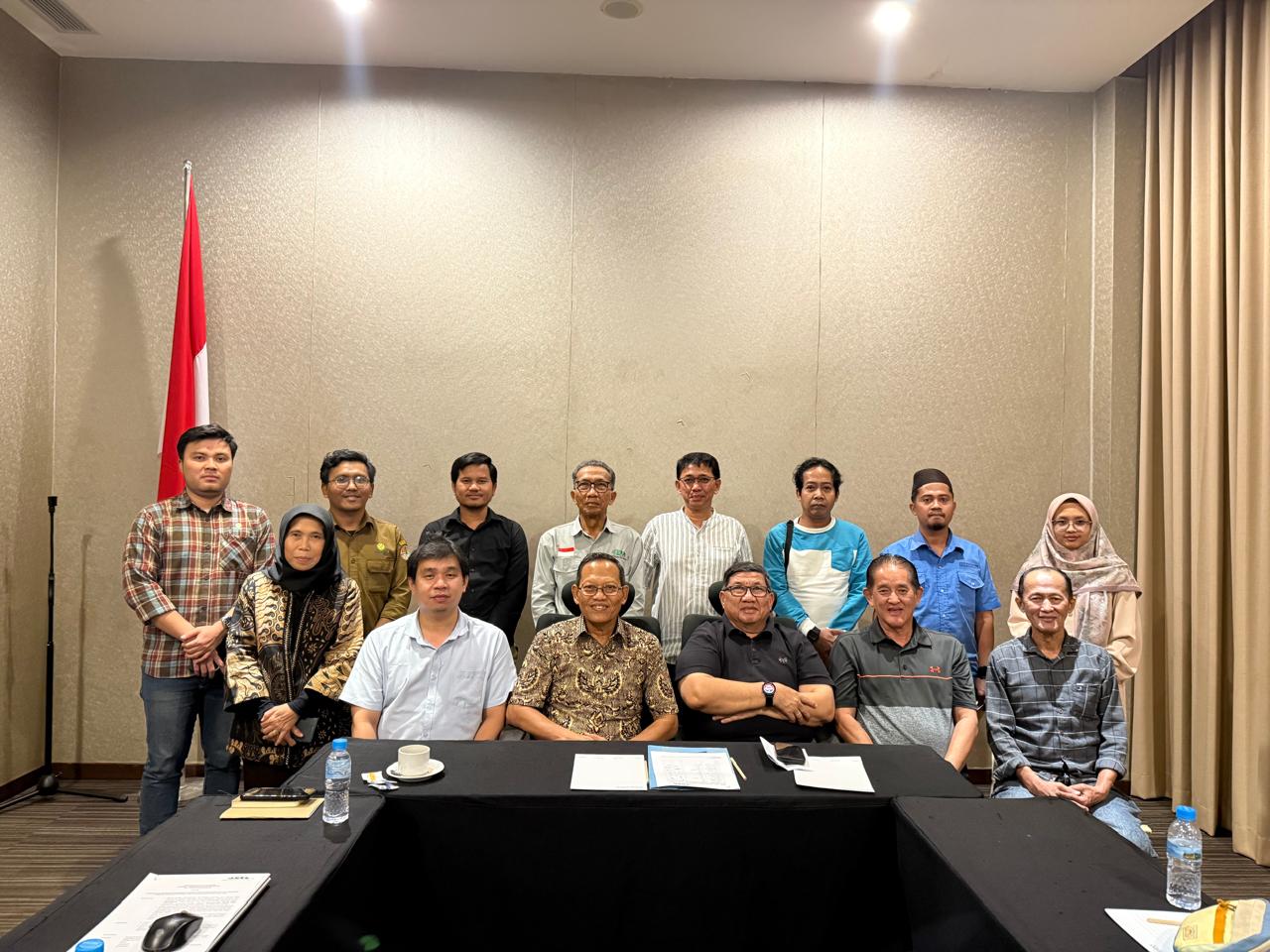
The initiative was discussed during a meeting on March 10, 2026, between APHI and the Bangka Belitung Environmental and Forestry Agency to explore opportunities for strengthening sustainable forest management and community-based economic development through regional flagship commodities.
Heru Prayoga, Head of Forest Governance and Utilization at the agency, said the provincial government is currently promoting the development of coconut commodities through social forestry programs as part of its strategy to empower local communities and optimize regional economic potential.
He explained that the program initiated by the Governor of Bangka Belitung aims to position coconut as one of the province’s key commodities while encouraging forestry companies holding PBPH permits to collaborate with communities through forestry partnership schemes.
According to Prayoga, this approach can serve as a practical solution to address social conflicts in forest areas while strengthening collaborative forest management. PBPH holders are also encouraged to map the potential of their concession areas to identify opportunities for developing Multi-Business Forestry activities, including coconut cultivation and other commodities suited to local conditions.
He added that strengthening downstream processing industries near forest concession areas would help increase the added value of forest commodities and reinforce supply chains based on forest landscapes.
Meanwhile, Soewarso, Chairman of the Indonesian Forestry Entrepreneurs Association (APHI), said the organization together with the Indonesian Chamber of Commerce and Industry (Kadin) continues to push for the accelerated implementation of landscape-based Multi-Business Forestry in various regions, including Bangka Belitung.
He noted that the province has strong potential for MUK development due to its relatively adequate infrastructure and opportunities to apply technological innovations to improve forestry productivity.
Soewarso also emphasized the importance of cooperation with universities to promote innovation, research, and sustainable forest-based business models.
He added that the development of MUK in Bangka Belitung can be further strengthened through social forestry initiatives, particularly concession partnership schemes between PBPH holders and local communities supported by the regional government.
The landscape-based approach is expected to create a forest management model that goes beyond timber production, while opening broader opportunities for developing non-timber forest commodities and other forest-based enterprises that generate economic benefits for local communities. (*)