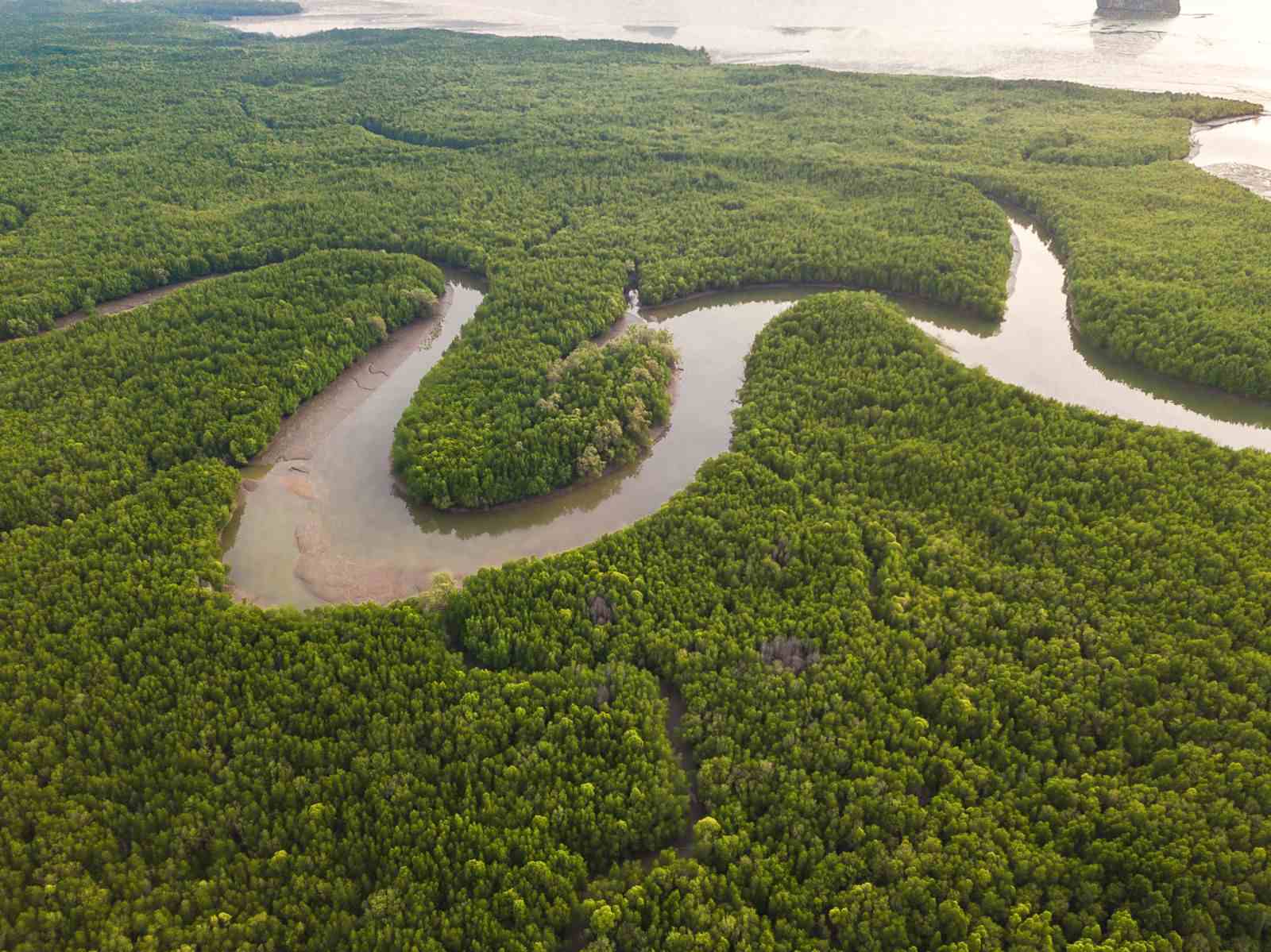
Enviro News Asia, Jakarta — Southeast Asian nations are stepping up efforts to protect mangrove ecosystems through the implementation of a regional strategy under the Association of Southeast Asian Nations (ASEAN), as concerns mount over the continued loss of coastal forests driven by land conversion, coastal development, and expanding economic activities across the region.
Under ASEAN’s latest regional framework, mangroves are recognized as critical ecosystems that support environmental sustainability and the livelihoods of coastal communities. Beyond serving as habitats for fish, birds, and other wildlife, mangrove forests function as natural filters for pollutants, protect coastlines from erosion and storm surges, and act as highly efficient carbon sinks that contribute to climate change mitigation.
ASEAN has identified mangrove conservation as an increasingly urgent priority. While Southeast Asia hosts some of the world’s largest and most diverse mangrove ecosystems, the region has also experienced significant rates of mangrove loss over recent decades. Scientific studies have consistently highlighted the conversion of coastal areas for aquaculture, urban expansion, infrastructure projects, and industrial development as major drivers of mangrove degradation in several member states.
The initiative is guided by the ASEAN Regional Strategy for Mangrove Conservation and Restoration, an official framework designed to strengthen conservation, restoration, and sustainable management efforts across the region. The strategy draws upon scientific research and recommendations from environmental experts and international conservation organizations to support evidence-based policymaking and coordinated action among ASEAN member countries.
Through enhanced regional cooperation, ASEAN aims to position mangroves not merely as coastal ecosystems but as strategic natural assets that play a vital role in climate resilience, biodiversity conservation, and sustainable economic development. Protecting and restoring mangrove forests is viewed as essential to safeguarding coastal communities while advancing broader environmental and climate goals throughout Southeast Asia.
Regional policymakers also emphasize that healthy mangrove ecosystems contribute to food security by supporting fisheries, protecting critical breeding grounds for marine species, and sustaining livelihoods that depend on coastal resources. Their preservation is increasingly seen as a cost-effective nature-based solution for addressing climate-related risks and strengthening ecosystem resilience.
As climate change intensifies and development pressures continue to grow, ASEAN believes that successful mangrove conservation and restoration efforts will be crucial in shaping the environmental future of Southeast Asia and ensuring the long-term sustainability of its coastal landscapes. (*)