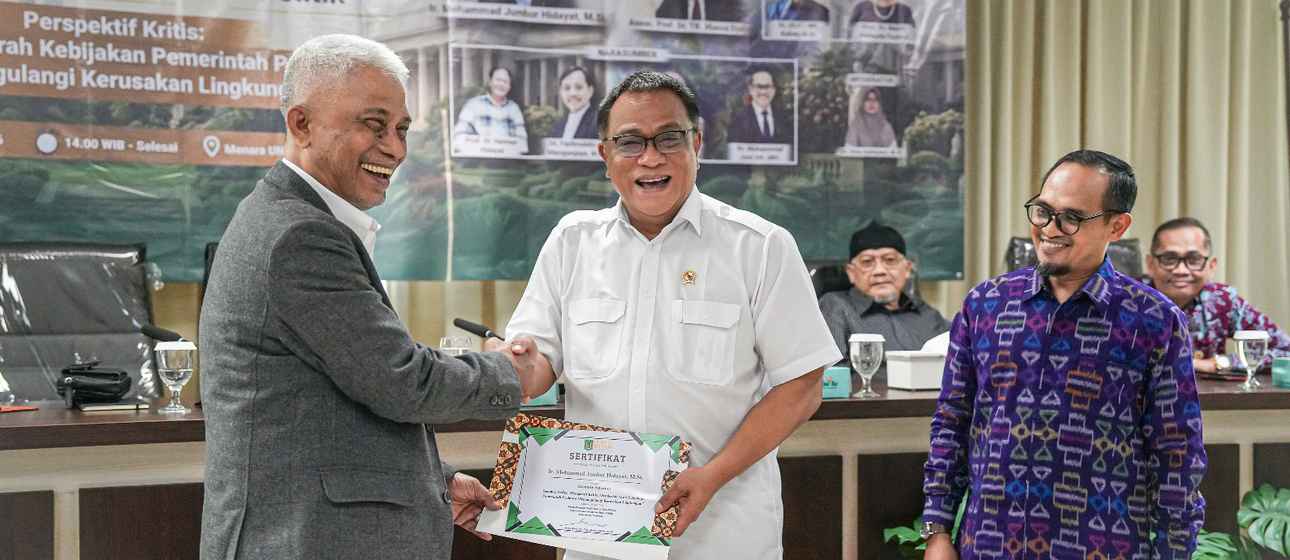


Enviro News Asia, Denpasar – Indonesia’s Ministry of Environment and Environmental Control Agency (KLH/BPLH) has intensified efforts to make green hospitality a standard operating practice across Bali’s hotel, restaurant, and café sector, citing a significant gap between community waste management performance and the tourism industry’s environmental compliance.
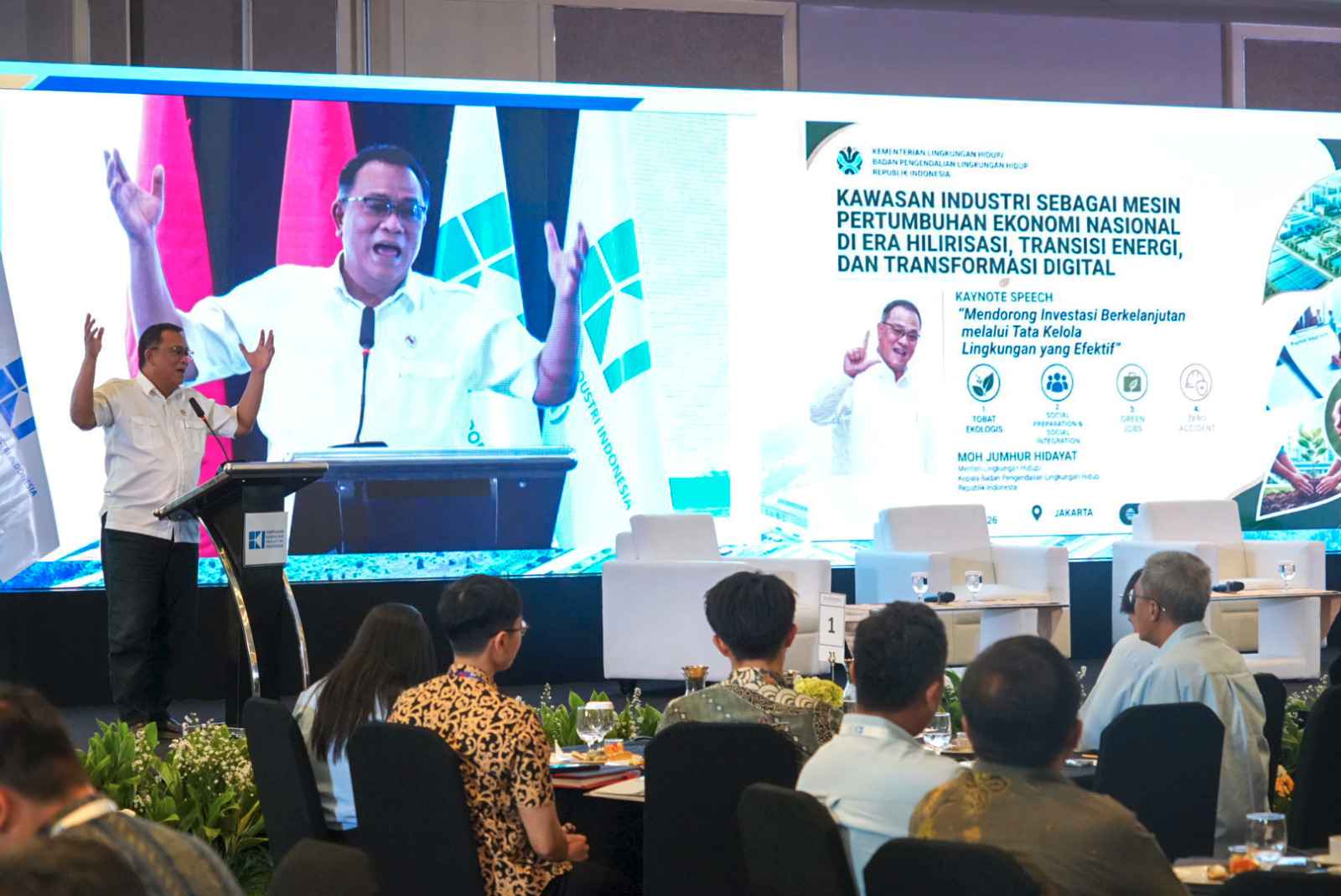
The initiative was highlighted during a strategic discussion titled “Optimizing the Role of the HORECA Sector in Waste Segregation Implementation in Bali” held in Denpasar on June 9. The ministry reported that waste segregation rates in residential communities, particularly in Denpasar City and Badung Regency, have reached approximately 70 percent, while performance within Bali’s hospitality sector remains below 25 percent.
Environment Minister and Head of the Environmental Control Agency Moh Jumhur Hidayat praised local residents for their commitment to environmental stewardship but stressed that businesses benefiting from Bali’s tourism economy must do more to reduce their environmental footprint.
“This disparity cannot be ignored. Communities have made significant efforts to preserve the natural integrity of Bali, while some commercial operators that benefit economically from the island’s beauty continue to shift waste management problems downstream,” Jumhur said.
The minister emphasized that hotels, restaurants, and cafés have legal obligations under Indonesia’s Waste Management Law and related regulations to sort, collect, and process waste at its source. Businesses are required to separate waste into organic materials, reusable items, recyclable materials, and hazardous waste categories.
According to the ministry, field inspections have revealed that many tourism-related businesses still fail to provide basic waste-sorting facilities in kitchens and public areas. Authorities also found a lack of independent waste-processing infrastructure, including facilities for reducing, reusing, and recycling waste.
As part of its enforcement measures, KLH/BPLH has issued 298 administrative sanctions in the form of government coercive orders against HORECA operators across Bali for violations related to waste management requirements.
The ministry said the campaign extends beyond regulatory compliance and reflects broader efforts to preserve Bali’s environmental and cultural values. Officials linked the initiative to the Balinese philosophy of Tri Hita Karana, particularly the concept of Palemahan, which promotes harmony between people and nature.
Jumhur said environmental responsibility should become an integral part of business operations within Bali’s tourism industry.
“The simplest first step is to separate organic and inorganic waste in kitchens and operational areas starting tomorrow morning,” he said.
The ministry pledged to continue supporting businesses through technical assistance, guidance programs, and recognition for companies demonstrating environmental leadership.
Officials expect the green hospitality initiative to transform the HORECA sector from a driver of economic growth into a leading force for environmental sustainability, helping safeguard Bali’s ecosystems and tourism appeal for future generations. (*)