Enviro News Asia, Yogyakarta— Indonesia’s National Research and Innovation Agency (BRIN), in collaboration with Universitas Pancasakti Tegal, has developed an integrated solution that combines mangrove rehabilitation with Internet of Things (IoT)-based technology to protect coastal aquaculture ponds from erosion while improving sustainable fish farming.
The research was implemented in the coastal area of Brebes Regency, Central Java, where shoreline erosion has damaged coastal ecosystems and threatened aquaculture ponds that provide livelihoods for local communities.
Alin Fithor, a researcher at BRIN’s Research Center for Hydrodynamics Technology, said rehabilitating mangrove ecosystems improves coastal habitats and supports more sustainable fisheries. However, he noted that mangrove restoration alone is insufficient because coastal ponds remain vulnerable to fluctuations in water quality caused by tides, seawater intrusion, and changing weather conditions.
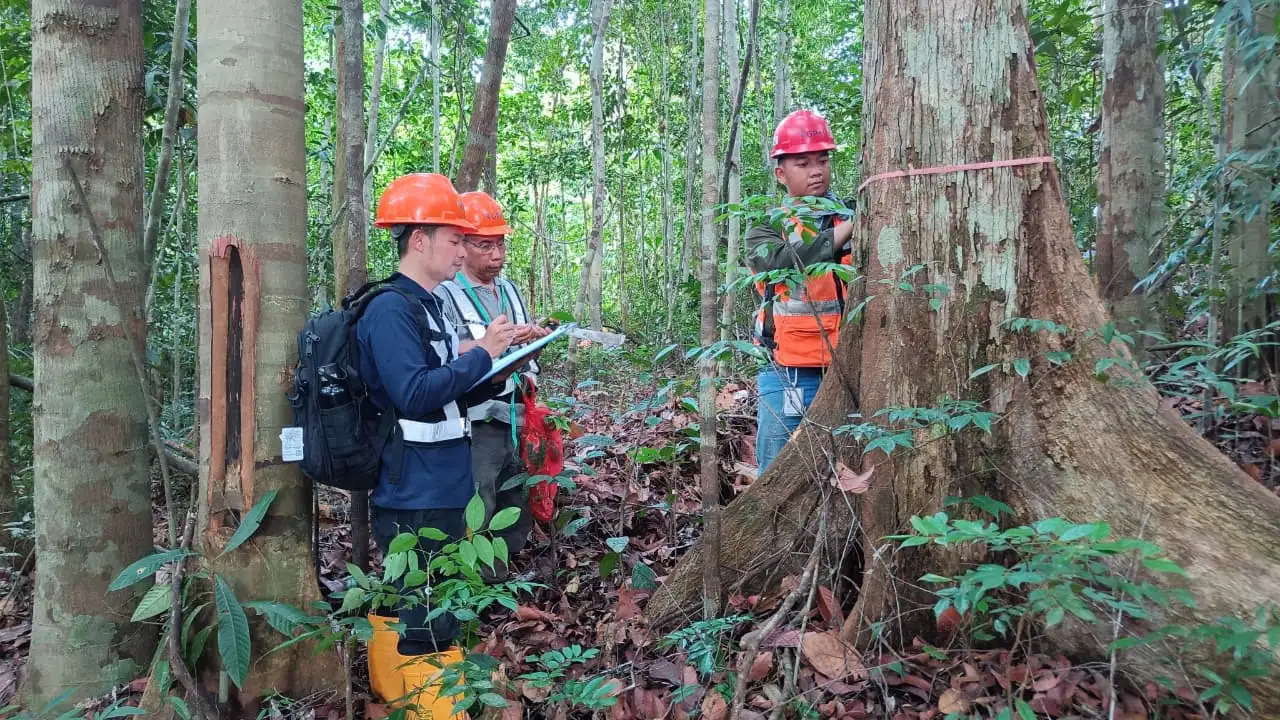
To address these challenges, the research team developed an IoT-based water quality monitoring system using sensors, LoRa communication technology, and an Arduino Weather Station. The system continuously measures key water quality parameters, including temperature and pH, and transmits real-time data to fish farmers, enabling them to respond quickly to environmental changes.
Field tests showed that the monitoring system accurately recorded water quality, with pH values ranging from 7.96 to 8.31 and water temperatures between 29.25°C and 29.87°C, conditions considered suitable for the cultivation of Pacific white shrimp (Litopenaeus vannamei).
According to Alin, the IoT system not only improves aquaculture efficiency but also functions as an early warning system for environmental changes in erosion-prone coastal areas. Continuous monitoring helps reduce the risk of shrimp mortality caused by deteriorating water quality while maintaining pond productivity.
He emphasized that addressing coastal erosion requires more than physical infrastructure. Mangrove restoration should be integrated with digital technologies that strengthen communities’ ability to adapt to environmental change and climate impacts.
The study demonstrates how ecological restoration and digital innovation can complement one another, with mangroves protecting coastal ecosystems and IoT technology supporting more precise water quality management for sustainable aquaculture.
BRIN said the integrated approach has the potential to be replicated in other coastal regions across Indonesia facing erosion and climate-related challenges, helping restore degraded coastlines while supporting long-term economic benefits for coastal communities. (*)