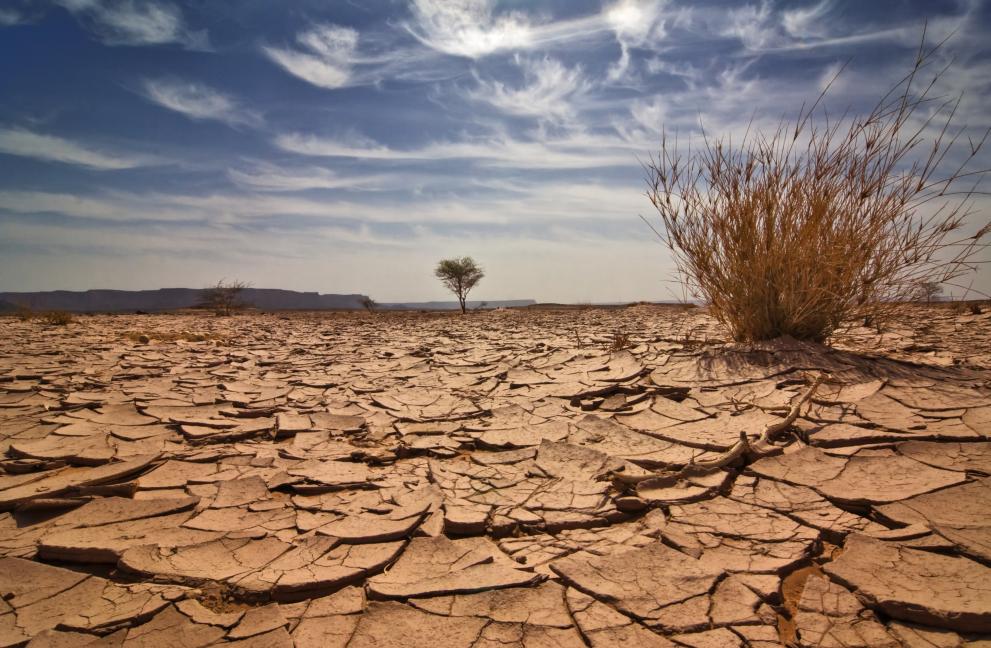
Enviro News Asia, Jakarta – Climate change has added 41 days of extreme heat throughout 2024. The increase in extreme heat days across various parts of the world has triggered catastrophic disasters—disasters with far greater impacts than ordinary ones—and significantly affected societal infrastructure.
The prominent UK newspaper The Independent, in its report, stated that global scientists believe many catastrophic disasters worldwide would have been almost impossible without the climate crisis.
Scientists also reported that 26 out of the 29 most severe disasters this year were exacerbated by the climate crisis caused by fossil fuel use.
“These disasters, including storms, floods, wildfires, and droughts, signify a dangerous ‘new normal’ due to rising global temperatures,” said The Independent, citing the latest research from World Weather Attribution (WWA) and Climate Central.
“The impact of warming caused by fossil fuels has never been as evident or severe as in 2024,” said Dr. Friederike Otto, a co-founder of WWA and a senior lecturer in climate science at Imperial College London.
“Extreme weather has killed thousands, forced millions to leave their homes, and caused relentless suffering. We know exactly what needs to be done to prevent the situation from worsening: stop burning fossil fuels,” she warned.
In 2024, the world experienced record-breaking heat, with the hottest day in history recorded on July 22. The additional 41 days of dangerous heat—defined as temperatures within the top 10 percent highest based on the 1991-2020 average—exposed millions to conditions that threaten human health, especially in vulnerable regions.
The international team of volunteer scientists behind this new report compared daily temperatures worldwide in 2024 with temperatures estimated to occur without the climate crisis. They found that some regions experienced up to 150 or more days of extreme heat due to the climate crisis.