


Enviro News Asia, Jakarta — Environmental and forestry law expert Sadino has called for firm, evidence-based law enforcement against forest and land fires to protect the environment while providing legal certainty for businesses.
The issue has drawn attention following the government’s reported imposition of administrative sanctions on companies in connection with forest and land fires. The sanctions include permit suspensions accompanied by compulsory forest ecosystem restoration, mandatory restoration measures and permit revocations.
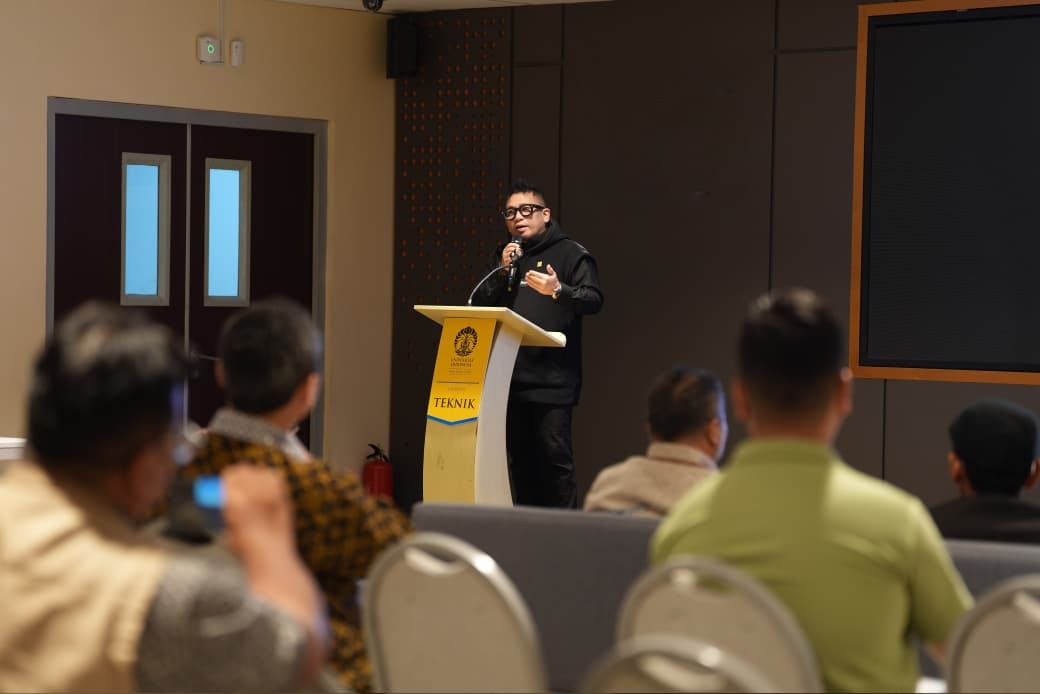
Sadino said government action against violations should be accompanied by investigations that clearly establish the grounds for sanctions and the responsibilities of each company.
“Law enforcement must be firm against parties that violate the rules. The basis for enforcement must also be clear, including data, field evidence and unmet obligations, so that sanctions are imposed accurately and fairly,” Sadino said.
He explained that investigations should examine the causes of fires, site conditions, the readiness of fire prevention and control facilities, and the actions taken by companies before and during fire incidents. This would allow each case to be assessed comprehensively.
If a fire is suspected to have originated outside a concession area, Sadino said, the allegation must be verified through field investigations and reliable evidence. Authorities must also assess whether permit holders have fulfilled their obligations to prevent and control fires.
“The source of the fire must be traced, while companies’ obligations in fire prevention and control must also be examined. Both are necessary to determine the responsibilities of each party under applicable regulations,” he said.
Sadino argued that clear grounds for enforcement would strengthen public confidence in law enforcement while providing businesses with guidance on improving compliance. Case handling should also include monitoring to ensure that environmental restoration obligations are fulfilled.
He also cautioned that many fires occur in open-access areas and around concession lands, where fire risks are closely linked to local communities’ livelihoods and activities. He warned that suspending or revoking permits could leave affected areas vulnerable to occupation or control by local communities, potentially creating additional challenges rather than improving environmental conditions.
Meanwhile, Erwansyah, APHI’s Vice Chairman for Legal Affairs, Public Relations and Cooperation, said objective law enforcement and stronger on-the-ground fire prevention would provide legal certainty and help businesses maintain operational continuity.
“APHI encourages objective law enforcement and transparent investigations so that companies understand the grounds for sanctions and the corrective actions they are required to undertake,” Erwansyah said.
He explained that legal certainty was essential to providing companies with clear guidance on fulfilling their forest protection obligations, strengthening preparedness and following up on the findings of government oversight.
Erwansyah noted that companies also face financial losses from fires, including damage to plantations and facilities, as well as disruptions to production activities. These risks must be addressed through coordinated fire prevention and control efforts covering both concession areas and their surroundings.
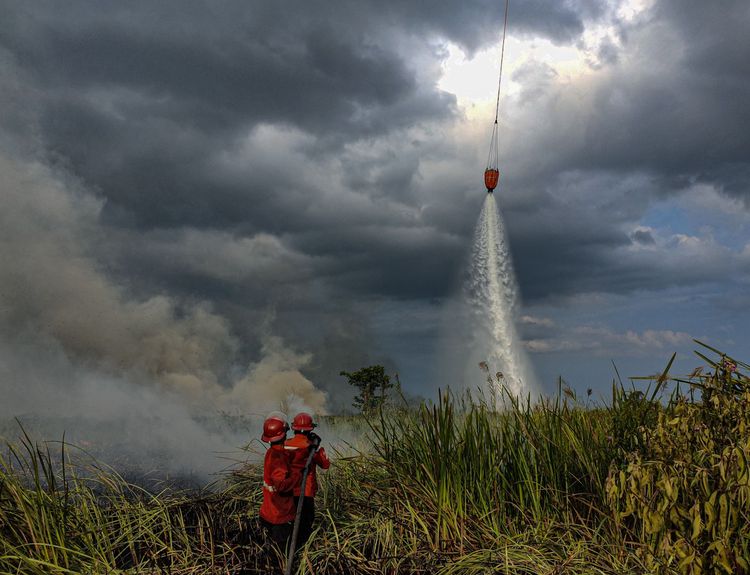
“Companies’ prevention and firefighting efforts must be thoroughly examined and documented. All permit holders must also ensure the readiness of personnel, equipment, water supplies, and early detection and response systems,” Erwansyah said.
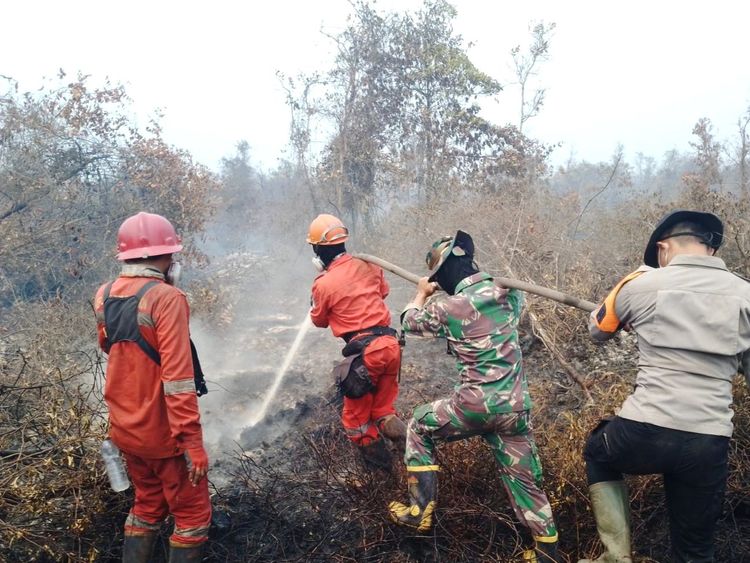
He called for stronger coordination among companies, government agencies, law enforcement authorities, Manggala Agni firefighting teams and local communities to accelerate information sharing and fire response. Assistance in promoting land clearing without burning should also be expanded to reduce fire risks at their source.
Stronger corporate compliance, transparent law enforcement and coordinated fire management across entire landscapes are expected to help prevent recurring forest and land fires, protect public health, and safeguard environmental sustainability and economic activities. (*)