

Enviro News Asia, Kendari — Indonesia’s National Research and Innovation Agency (BRIN) is advancing research into ecosystem restoration technologies to rehabilitate land damaged by mining in Southeast Sulawesi, with a focus on biodiversity protection and sustainable environmental management.
Through its Mining Land Biodiversity Research Collaboration Centre, BRIN is working with universities and other stakeholders to develop restoration approaches, including bioremediation and phytoremediation. The research will also examine changes in soil and water quality, the presence of local species, and the socioeconomic impacts of mining on nearby communities.
La Sinaini, a senior researcher at BRIN’s Research Centre for Industrial, Services and Trade Economics, said extensive mining activities in Southeast Sulawesi required serious attention because environmental damage could become increasingly difficult to control without appropriate management.
“Mining-related environmental problems cannot be addressed simply by examining damaged land. We must also understand changes in ecosystems, soil and water quality, biodiversity, and the effects on people’s lives,” La Sinaini said. She added that integrated research was essential to ensure restoration efforts were based on scientific evidence.
The research collaboration aims to bring together expertise from different institutions to develop practical solutions rather than simply document environmental degradation. Its findings are expected to inform recommendations and technologies for more sustainable management of mining-affected ecosystems.
One key research area is the use of bioremediation and phytoremediation, which employ biological organisms and plants to help restore degraded environments.
Rubiyo, a principal researcher at BRIN’s Research Centre for Plantation Crops, said similar research had been conducted in North Kalimantan and Bangka Belitung, particularly on land affected by coal and tin mining.
Those studies used plantation crops to support the rehabilitation of former mining sites through plant-based remediation approaches. According to Rubiyo, the results indicated improvements in land conditions, suggesting that similar methods could potentially support mine reclamation in Southeast Sulawesi.
However, he stressed that restoration techniques must be adapted to local conditions because soil characteristics, environmental factors and the types of mining-related damage vary between locations.
“Post-mining land restoration is not simply about making damaged areas green again. More importantly, it must restore the soil’s ecological functions, support sustainable vegetation growth, and create opportunities for the land to benefit both the environment and communities,” Rubiyo said.
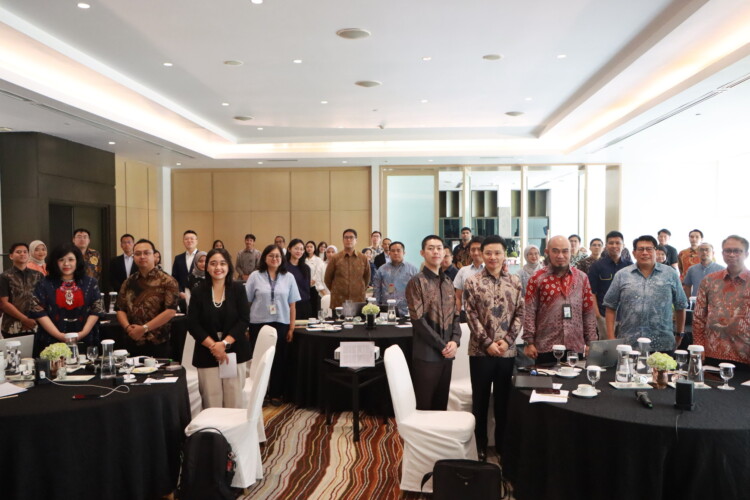
The research agenda was discussed at a focus group discussion organised by the Mining Land Biodiversity Research Collaboration Centre at Halu Oleo University’s rectorate building in Kendari on October 14, 2026.
The meeting brought together researchers from Halu Oleo University, Lakidende University, Muhammadiyah University of Kendari, Muhammadiyah University of Buton and Kendari State Islamic University, alongside environmental organisations and other stakeholders.
BRIN said the collaboration was intended to strengthen scientific cooperation and develop evidence-based solutions for restoring ecosystems affected by mining in Southeast Sulawesi. (*)