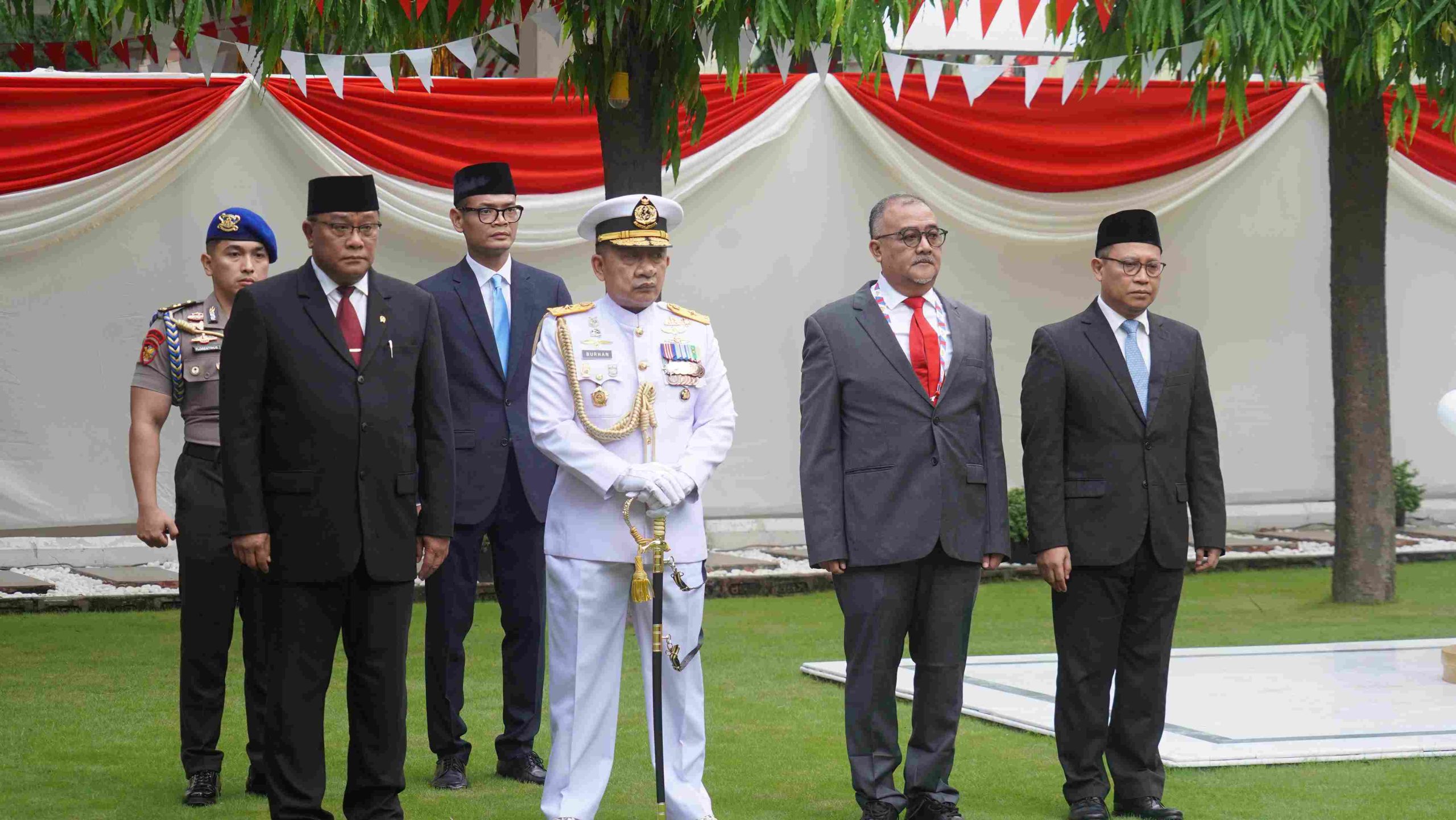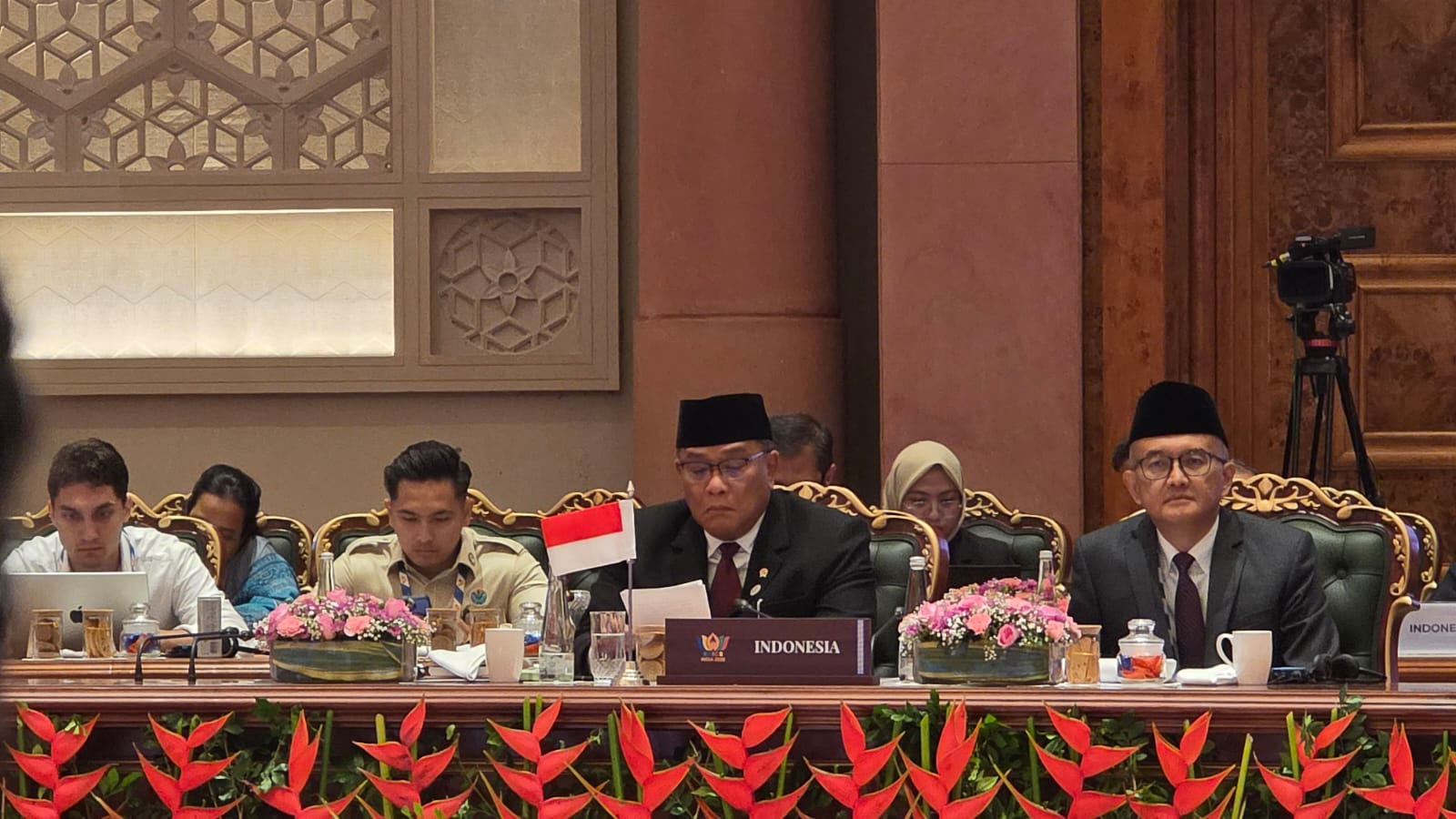
Enviro News Asia, New Delhi — Indonesia called for stronger collective action to address global environmental and climate challenges during the BRICS Environment Ministers’ Meeting in New Delhi on August 18. The Indonesian delegation, represented by the Ministry of Environment and the Environmental Control Agency (KLH/BPLH), emphasized the need for a more representative and equitable global environmental governance system.
Minister of Environment and Head of the Environmental Control Agency Moh Jumhur Hidayat criticized the withdrawal of some major developed economies from collective efforts to address pollution and climate change. He stressed that countries with significant economic power continue to account for a substantial share of global emissions, making international responsibility and cooperation essential.
Indonesia also highlighted the country’s vulnerability to climate change as an archipelagic nation. With more than 17,000 islands and around 60 percent of its population living in coastal areas, Indonesia faces growing risks from sea-level rise and extreme weather. These impacts could threaten development and increase the vulnerability of communities to poverty.
“Climate adaptation is not a peripheral agenda for Indonesia. It is a key pillar of sustainable development and a safeguard for our national prosperity,” Jumhur said. He added that Indonesia had established the 2026–2030 National Adaptation Plan as a roadmap toward greater climate resilience and in support of the Indonesia Emas 2045 vision.
Indonesia also presented traditional knowledge as an important component of climate adaptation and environmental resilience. The delegation highlighted three examples of local practices: the Subak irrigation system in Bali, Sasi Lompa in Maluku, and Awig-Awig customary regulations. These systems demonstrate how community-based practices can contribute to sustainable resource management and environmental protection.
The Indonesian delegation further emphasized the country’s role as a global biodiversity center. Indonesia is home to more than 300,000 species, including an estimated 9.7 percent of the world’s flowering plants, 14 percent of global mammal species, and 18 percent of bird species.
Indonesia’s marine ecosystems were also highlighted as critical components of global ecological resilience. The country is located within the Coral Triangle and supports significant shares of the world’s mangrove forests, marine fish species, and coral reefs. These ecosystems provide essential environmental services and support the livelihoods of millions of people.
Through the BRICS 2026 environmental forum, Indonesia positioned ecological sovereignty, biodiversity protection, climate adaptation, and local knowledge as interconnected priorities for developing countries. Indonesia called for greater international cooperation to ensure that environmental governance addresses global inequalities while protecting ecosystems and vulnerable communities.
The country’s approach combines climate policy, scientific knowledge, traditional practices, and biodiversity conservation as part of its broader strategy to strengthen climate resilience and support sustainable development. Indonesia emphasized that stronger global environmental cooperation is essential to building a more equitable and sustainable future. (*)