

Enviro News Asia, Jakarta – Indonesia has called on ASEAN member states to strengthen regional cooperation on Sustainable Consumption and Production (SCP) as part of efforts to accelerate the region’s green transition and advance a circular economy.
The initiative was presented by Indonesia’s Ministry of Environment/Environmental Control Agency (KLH/BPLH) during a preparatory forum ahead of the 37th ASEAN Senior Officials on the Environment (ASOEN) Meeting, scheduled for the second week of August 2026.
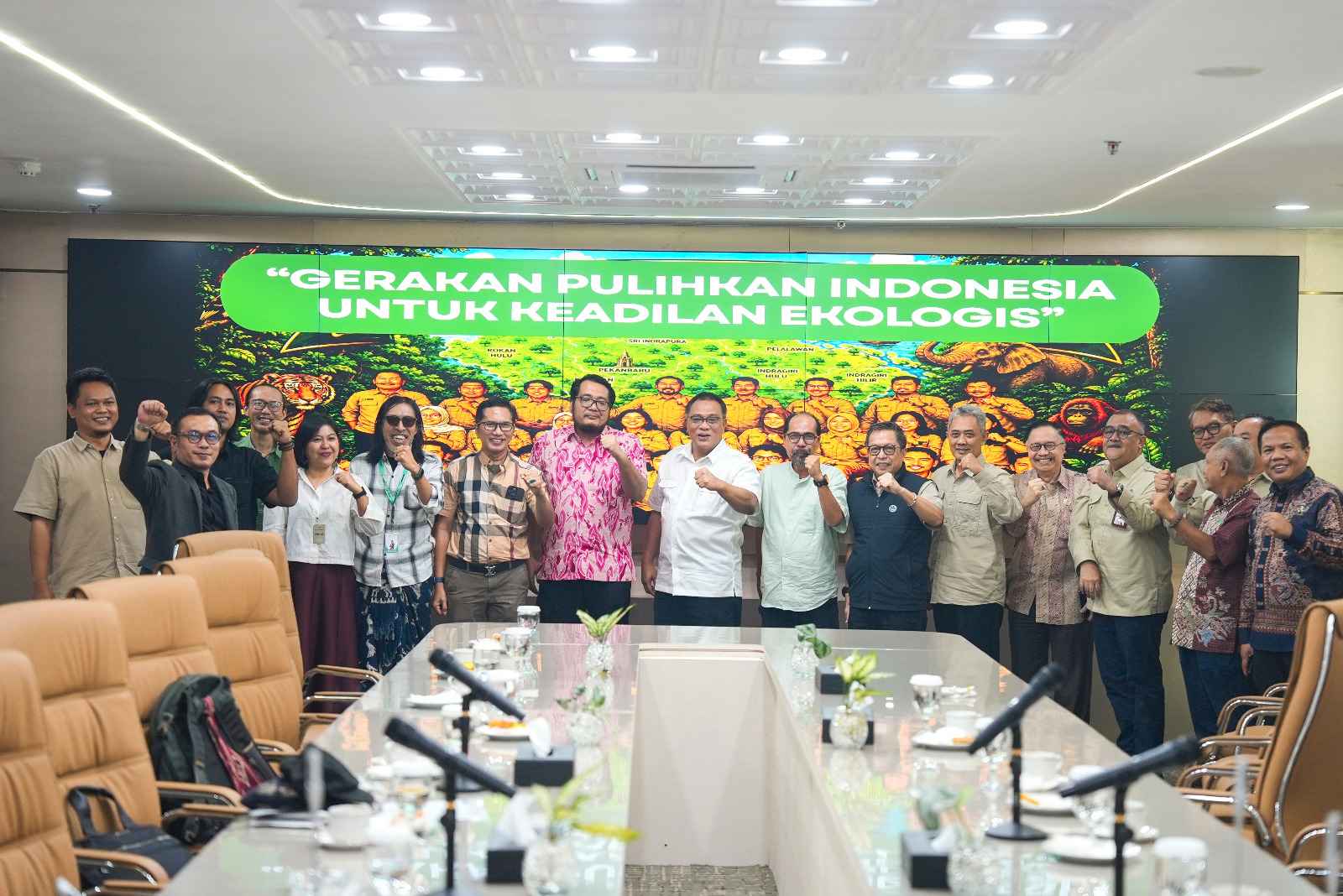
The meeting aimed to review the implementation of Sustainable Consumption and Production across ASEAN while identifying shared priorities to address mounting environmental challenges. The forum was led by Upik Sitti Aslia Kamil, Head of the Center for Environmental Instrument Standardization at KLH/BPLH and Indonesia’s National Focal Point for SCP, while Indonesia’s ASOEN representative Erik Teguh Primiantoro highlighted the importance of strengthening regional cooperation.
Erik stated that ASEAN faces six major environmental challenges, including climate change, biodiversity loss, land degradation, pollution, natural resource depletion, and unsustainable consumption and production patterns. To address these issues, Indonesia proposed five regional priorities: promoting sustainable food systems and resilient value chains, accelerating the transition to a circular economy, encouraging sustainable lifestyles through the Ecological Repentance approach, expanding green technology innovation and financing, and strengthening multi-stakeholder partnerships.
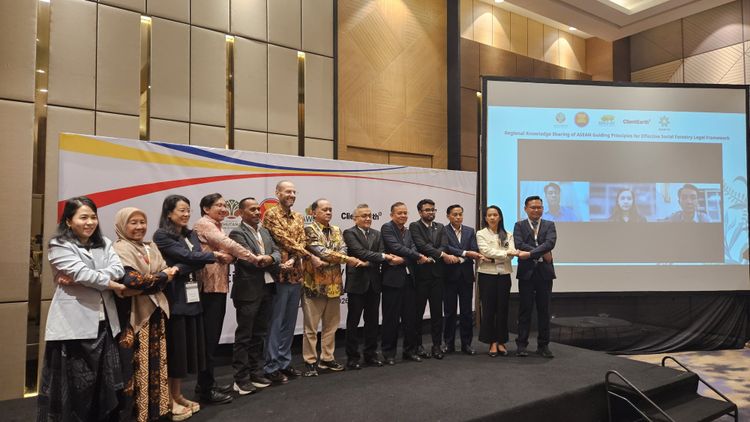
Representatives from Brunei Darussalam, Cambodia, Indonesia, Malaysia, Myanmar, and the Philippines shared progress and best practices in implementing SCP, revealing that many member states face similar challenges. The exchange of experiences was viewed as an important mechanism for improving policy implementation across the region.
Erik emphasized that Sustainable Consumption and Production must be integrated across all sectors, including development planning, industry, agriculture, energy, sustainable cities, public procurement, and investment. The meeting also brought together representatives from the ASEAN Secretariat, Indonesia’s Ministry of Foreign Affairs, the ASEAN Working Group on Education for Environment, and KLH/BPLH experts, reaffirming regional commitment to achieving Sustainable Development Goal 12 on responsible consumption and production with support from the EU SWITCH-Asia programme. (*)