

Enviro News Asia, Jakarta — Indonesia’s Environment Ministry and Denmark have outlined strategies to strengthen the country’s waste bank system, following a cost-benefit analysis that highlights significant differences in the financial viability of central and community-level facilities.
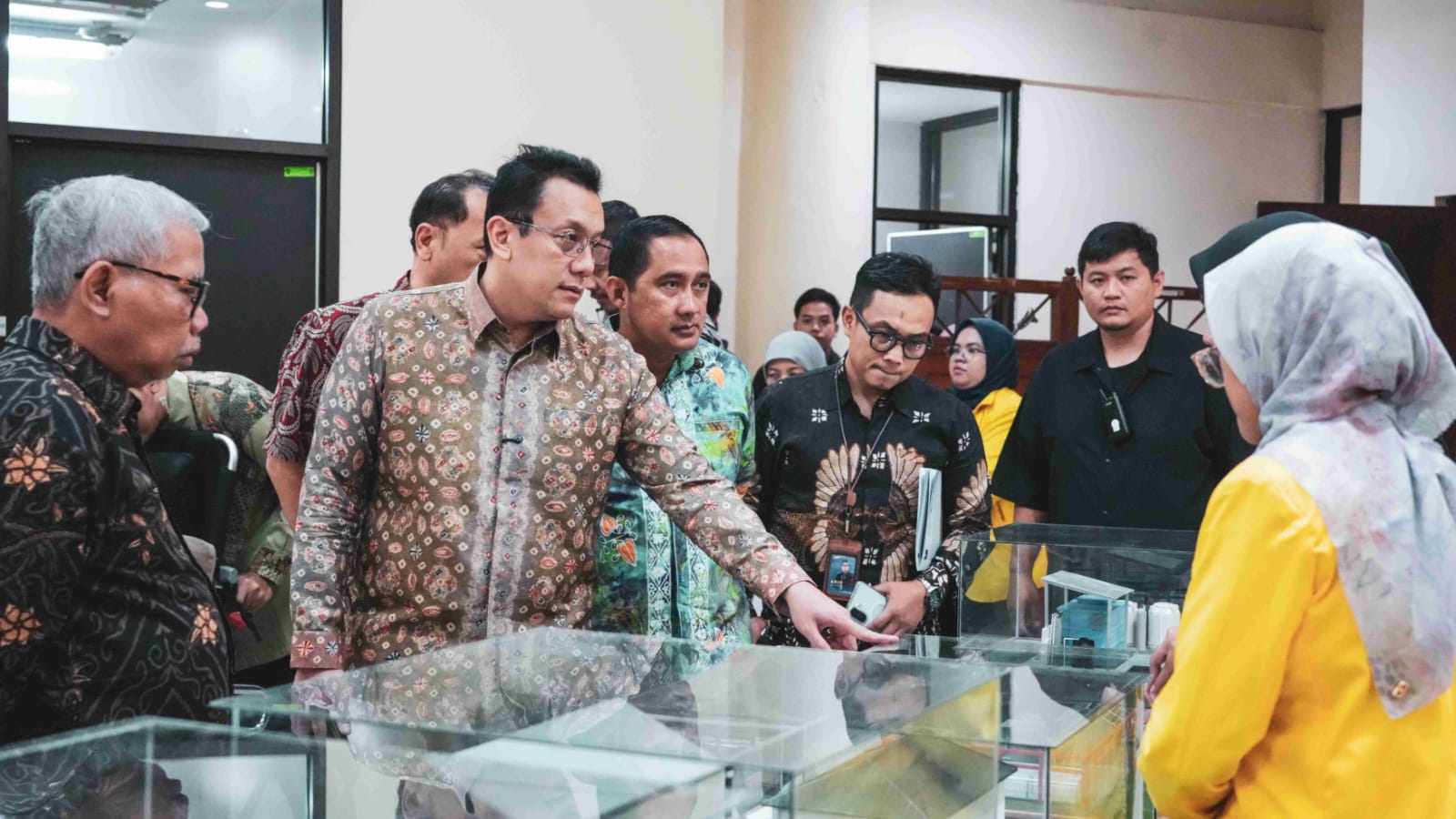
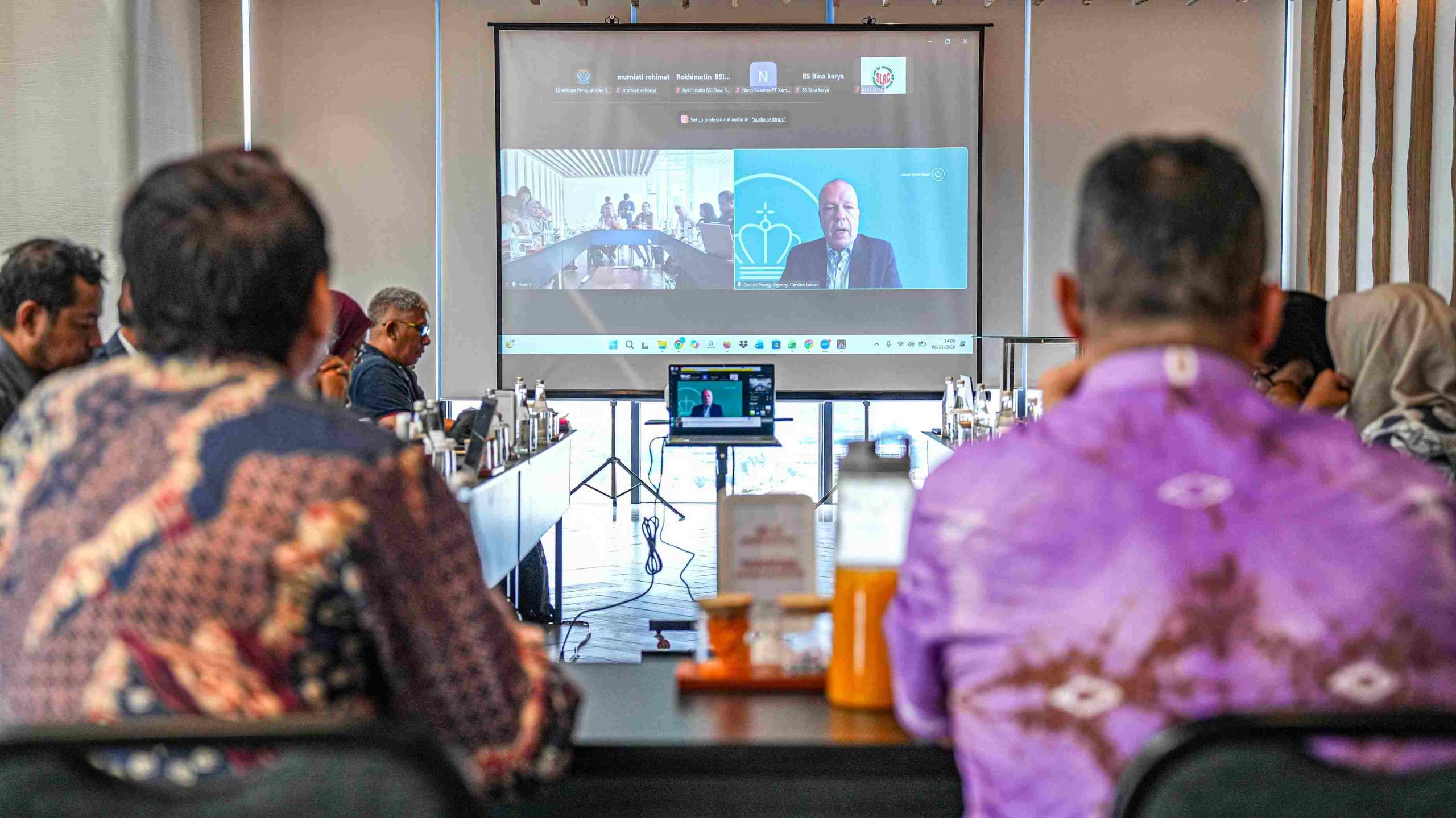
The findings were presented at Swissôtel in Mega Kuningan, Jakarta, on Nov. 6, marking the conclusion of the second phase of the bilateral Strategic Sector Cooperation (SSC) programme.
The study examined the economic performance of Bank Sampah Induk (BSI), or central waste banks, and Bank Sampah Unit (BSU), or unit-level waste banks. It also stressed the need for professional management and proper valuation of the time and labour contributed by waste bank operators.
Agus Rusly, director of waste reduction and circular economy development at the Environment Ministry and Environmental Control Agency (KLH/BPLH), said waste banks could no longer rely solely on conventional management practices.
He said operators needed to account for investment and operating costs, as well as the time and labour required to run their facilities.
“Waste banks have significant potential to drive the people’s economy, conserve material resources, reduce the volume of waste sent to landfills and support greenhouse gas emission reduction targets,” Agus said.
He also called on businesses to establish partnerships and provide assistance to improve operators’ capacity, maintain waste-sorting standards and secure reliable supply chains for the recycling industry.
The ministry is also seeking to strengthen monitoring through the Waste Bank Management Information System (SIMBA), which provides data on operational progress.
Karsten Møiberg Larsen, team lead for circular economy global cooperation at the Danish Energy Agency, welcomed the strategic role of waste banks in connecting households, communities, the informal sector and industry.
He said the initiatives also offered opportunities to strengthen social empowerment and create green jobs.
Study Highlights Financial Differences
A consulting team from Senang Eco analysed 623 data samples from the SIMBA platform and found sharply different financial performance between the two types of waste banks.
Central waste banks recorded an average benefit-cost ratio (BCR) of 2.42, with an estimated investment payback period of around 1.8 years.
By comparison, unit-level waste banks posted an average BCR of 0.16, with substantially longer estimated payback periods. Their financial constraints were linked to smaller operating scales, limited waste volumes and inadequate cost structures and facilities.
The study cautioned that these figures were indicative sample-based findings, not definitive benchmarks for every waste bank in Indonesia.
It recommended that the government adopt different support strategies rather than applying a uniform approach. Central waste banks should be encouraged to become independent, professionally managed businesses, while community-based units need continued assistance and sustainable government support for facilities.
Waste Banks Could Cut Emissions
The analysis also highlighted the environmental contribution of waste banks. Facilities covered by the study diverted approximately 8,140 tonnes of waste annually from landfills, equivalent to 55 percent of the total waste they received.
This diversion could prevent an estimated 20,786 tonnes of carbon dioxide equivalent (CO2e) in emissions each year.
Another key finding concerned the contribution of waste bank operators, particularly women, whose work has often depended on voluntary labour without adequate compensation.
The study recommended including operators’ time and labour as actual operating costs to ensure that the institutions remain financially sustainable without compromising the welfare of the people who run them.
With the second phase of the SSC cooperation concluded, KLH/BPLH expects the data and policy recommendations developed with Denmark to inform future national strategies.
The goal is to strengthen waste banks as a means of reducing waste at its source while expanding Indonesia’s circular economy. (*)