Enviro News Asia, Jakarta – Indonesia’s Ministry of Environment and Environmental Control Agency (KLH/BPLH) has reaffirmed that carbon trading should serve not only as a climate mitigation instrument but also as a driver of equitable economic development, ensuring that local and Indigenous communities receive tangible benefits from the country’s growing green investment sector.
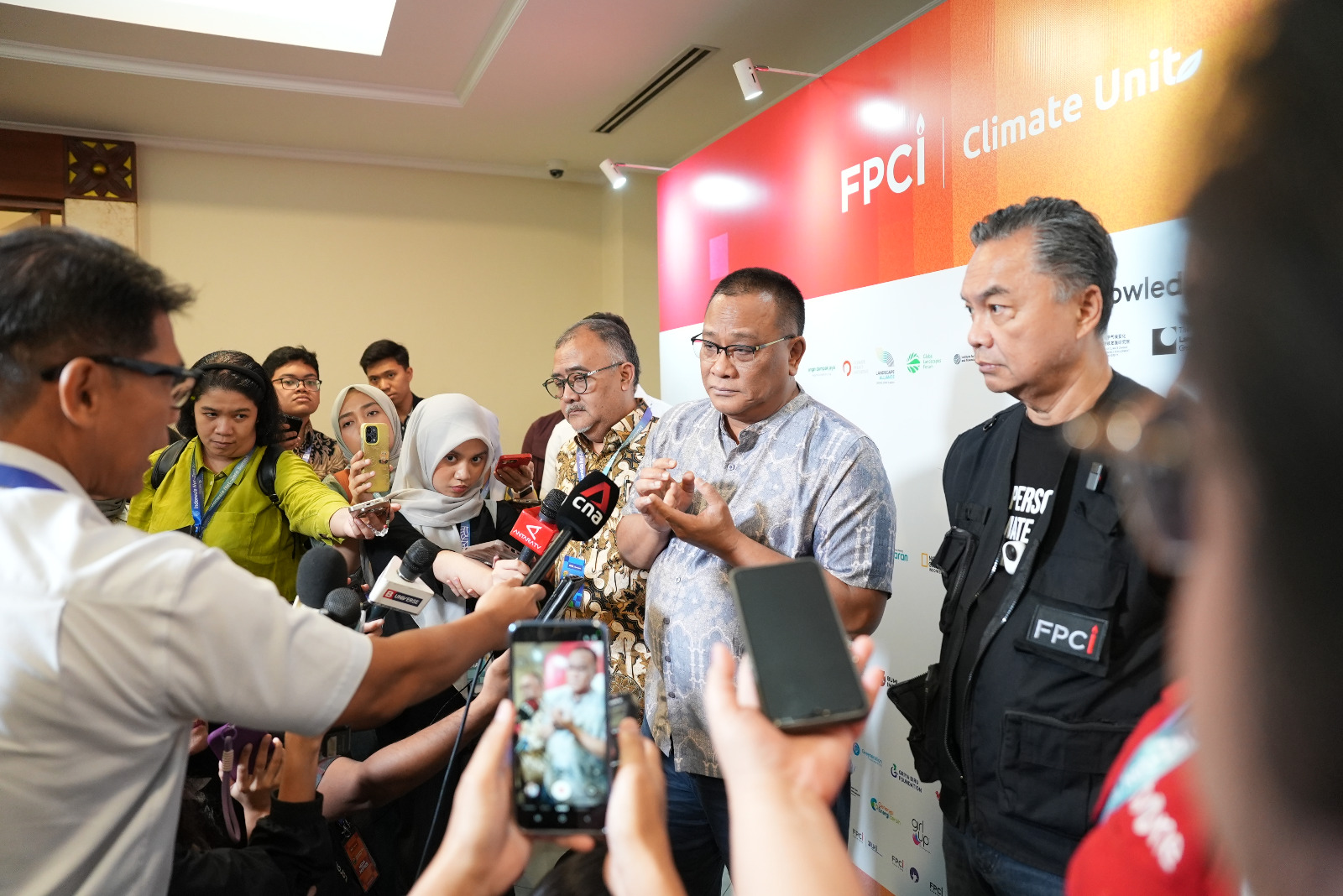
Speaking at the Indonesia Net-Zero Summit 2026 in Jakarta, Minister of Environment and Head of KLH/BPLH Moh Jumhur Hidayat outlined the government’s evolving environmental policy, which places community prosperity alongside climate mitigation and adaptation as a core pillar of Indonesia’s green transition.
The summit brought together national and international leaders, including United Nations Secretary-General’s Special Envoy on Water Retno Marsudi, China’s Special Envoy for Climate Change Liu Zhenmin, and Foreign Policy Community of Indonesia (FPCI) Chairman and Founder Dino Patti Djalal, to discuss the future of climate action and sustainable development.
According to Minister Jumhur, increasing interest from international investors in ecosystem restoration projects reflects a significant shift in the global economic paradigm.
“Several investors have already expressed their interest in investing in environmental restoration projects,” Jumhur said.
He noted that global development is moving away from conventional growth models that prioritize economic expansion at the expense of the environment toward a new approach centered on ecosystem restoration and sustainable development.
The minister explained that international climate action has traditionally focused on two key pillars: mitigation, which aims to reduce the impacts of climate change, and adaptation, which helps communities withstand climate-related risks.
Indonesia, however, has introduced a third pillar—prosperity—to ensure that climate policies directly improve people’s livelihoods.
The government believes that all climate mitigation and adaptation initiatives, including carbon trading, must generate measurable social and economic benefits for communities living in and around project areas.
Using carbon markets as an example, Jumhur emphasized that revenues generated from carbon trading should not be captured primarily by market speculators. Instead, the largest share of benefit-sharing should flow directly to local communities and Indigenous peoples who protect and manage forest ecosystems.
He also stressed that large financial inflows from carbon projects must be accompanied by comprehensive social preparation to ensure sustainable economic outcomes.
“We need to strengthen micro, small, and medium-sized enterprises (MSMEs) and prepare communities so that financial gains from carbon projects are managed productively rather than being quickly exhausted. Social preparation and integration are essential,” Jumhur said.
The Ministry of Environment stated that Indonesia’s green economic transition will continue to prioritize inclusive development, ensuring that ecosystem restoration, carbon trading, and environmental conservation contribute directly to improving the welfare of local communities while supporting the country’s long-term climate commitments. (*)