

Enviro News Asia, Jakarta — Indonesia’s Forestry Ministry is seeking to improve the productivity of state-owned assets and strengthen procurement practices to support forest management, with 10.3 percent of its fixed assets reported to be severely damaged or no longer in use.
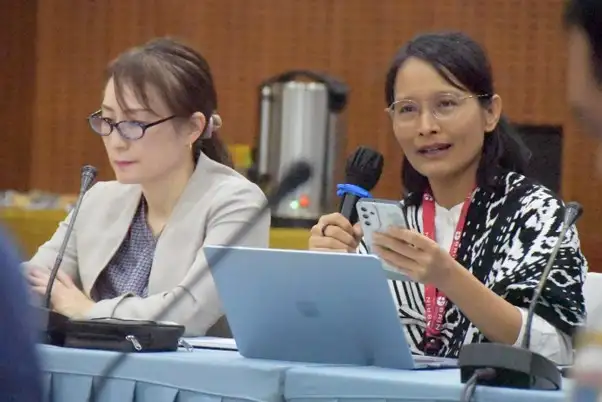
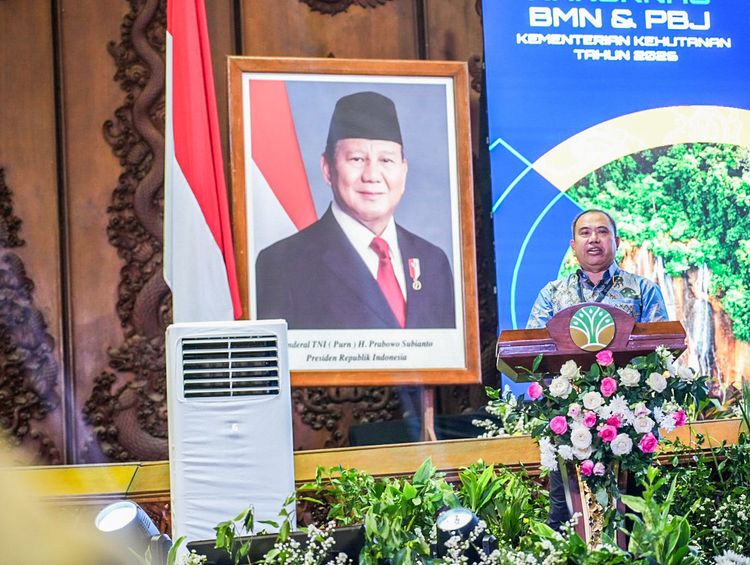
Forestry Ministry Secretary-General Mahfudz outlined the priorities at the ministry’s 2026 National Coordination Meeting on State-Owned Assets and Procurement at the Dr. Soedjarwo Auditorium in Manggala Wanabakti Building, Jakarta, on Thursday, Oct. 22.
“State-owned assets and procurement must drive performance in the forestry sector, not merely serve as administrative support functions,” Mahfudz said.
According to first-half 2026 data from the State Asset Management Information System (SIMAN), the ministry’s fixed assets were valued at Rp13.998 trillion. However, 10.3 percent of its state-owned assets were in severely damaged condition or no longer being used.
Mahfudz said the findings highlighted the need to improve data validation, asset security, legal documentation and the productive use of government property. He called on each work unit to identify obstacles, complete required documents, assign responsible personnel and resolve outstanding issues through measurable steps.
The ministry also aims to align asset management and procurement with Indonesia’s national development priorities, including the Asta Cita agenda, the 2025–2029 National Medium-Term Development Plan and the ministry’s 2025–2029 strategic plan.
Mahfudz said planning, budgeting, procurement and asset use needed to be integrated so that public spending delivered tangible benefits.
Domestic products accounted for 72 percent of the total value of procurement conducted through suppliers, while spending on micro, small and cooperative enterprises reached 52 percent of the recorded supplier-based procurement value, according to data from the Electronic Procurement System (SPSE).
Mahfudz stressed that faster procurement must not come at the expense of quality, efficiency or integrity. He called for closer coordination among planners, budget managers, commitment-making officials, procurement units and state asset managers to ensure that purchases were completed on time and supported government programs.
“Procurement must be transparent, competitive, professional and accountable. We must prevent conflicts of interest, unfair competition, mismatches between procurement and actual needs, and irregularities in contract implementation,” he said.
To strengthen oversight, the ministry is promoting risk management, internal controls and staff competency development. It is also encouraging anti-corruption training for budget-authorizing officials, commitment-making officials, procurement selection teams, procurement officers and heads of procurement units.
At the meeting, Mahfudz launched RIMBA ASSET, a digital dashboard designed to optimize the use of underutilized state-owned assets and improve their accountability, productivity and economic value.
The initiative is expected to cover asset identification and validation, the selection of utilization schemes, governance improvements, digitalization and monitoring through a dedicated state asset dashboard.
The ministry also presented its 2026 State Asset Awards and Procurement Excellence Awards to work units in recognition of efforts to maintain good practices and improve asset management and procurement performance.
Mahfudz concluded the meeting by setting five follow-up priorities: integrated planning; effective and ethical procurement; accountable and orderly asset management; better utilization of state-owned assets; and stronger institutional capacity and collaboration.
The ministry said the coordination meeting was intended to strengthen commitment across its work units to managing public assets productively and ensuring procurement was effective, efficient, transparent and accountable. (*)