Enviro News Asia, Medan – Indonesia’s Ministry of Forestry has released the latest population survey of the critically endangered Sumatran orangutan and Tapanuli orangutan, reaffirming its commitment to science-based conservation and stronger multi-stakeholder collaboration to protect the country’s endemic great apes.
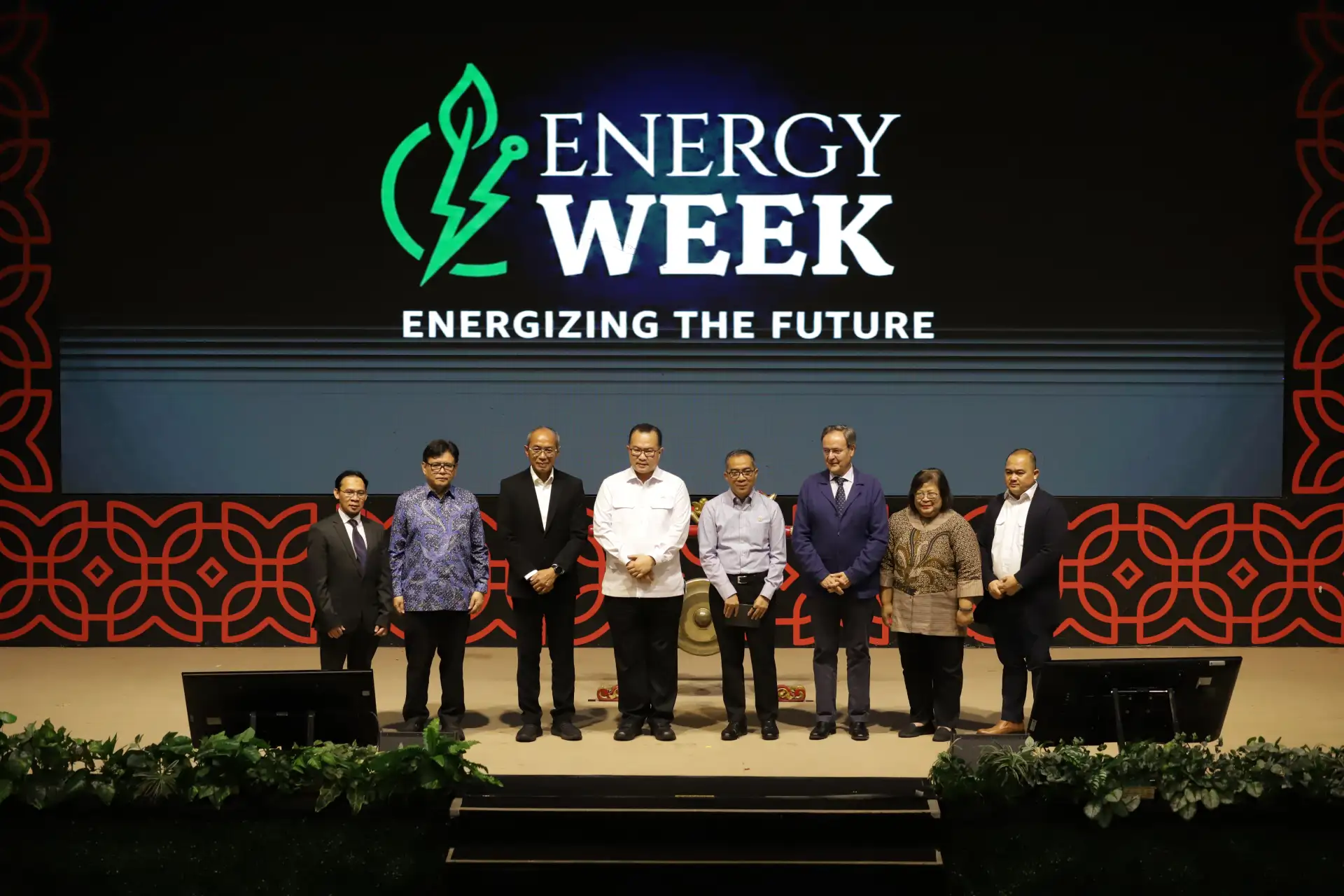
The survey results were presented during the National Seminar on a Decade of Collaborative Conservation for the Sumatran and Tapanuli Orangutans, held in Medan on Saturday. The event also marked the beginning of a broader effort to strengthen partnerships among government agencies, researchers, conservation organizations, local governments, private companies, and communities.
According to the population survey conducted between 2021 and 2023, Indonesia is estimated to have 11,694 Sumatran orangutans (Pongo abelii) and 716 Tapanuli orangutans (Pongo tapanuliensis). The findings will serve as a scientific basis for developing more effective, adaptive, and sustainable conservation policies.
The seminar was attended by Deputy Minister of Forestry Rohmat Marzuki, senior officials from the Ministry of Forestry, representatives of the North Sumatra Provincial Government, local governments, academics, researchers, conservation partners, development agencies, private sector representatives, and the media.
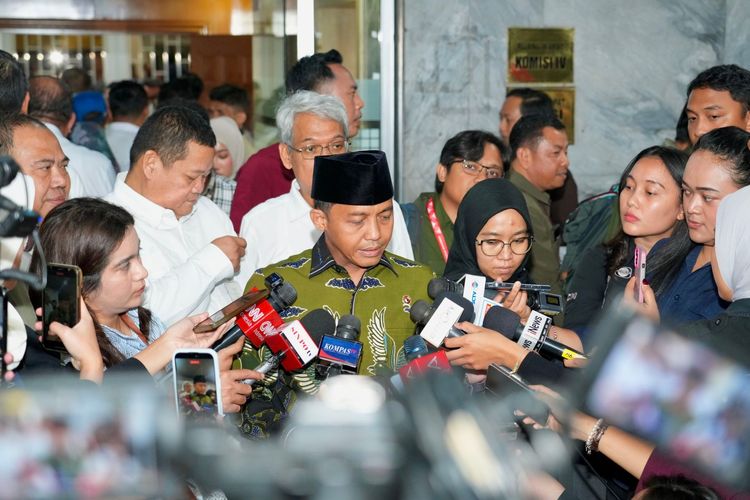
Deputy Minister Rohmat Marzuki emphasized that orangutan conservation requires collective action involving governments, scientists, conservation organizations, businesses, and local communities.
“Orangutan conservation is a shared responsibility. Its success depends on strong collaboration among the government, academia, conservation partners, the private sector, and communities. Scientific data from this survey provide an essential foundation for developing targeted conservation policies,” he said.
The deputy minister added that the government continues to strengthen habitat protection, improve the management of conservation areas, and promote cross-sector collaboration in line with the Indonesian Biodiversity Strategy and Action Plan (IBSAP) 2025–2045, which identifies species conservation and biodiversity protection as national priorities.
North Sumatra Environment and Forestry Agency Head Heri Wahyudi Marpaung said orangutan conservation must extend beyond protected areas because the animals also inhabit protected forests, production forests, and other land-use areas.
He said the provincial government has mandated the Environment and Forestry Agency to strengthen the management of protected and production forests, while district and municipal governments are encouraged to play a greater role in managing non-forest land, reflecting the wide-ranging habitat of orangutans across administrative boundaries.
In addition to presenting the latest survey findings, the seminar officially launched preparations for the 2026 Population and Habitat Viability Assessment (PHVA) for both orangutan species. The assessment will provide the scientific foundation for updating Indonesia’s Conservation Strategy and Action Plan for the Sumatran and Tapanuli orangutans.
The ministry noted that both species play a critical ecological role as keystone species by dispersing seeds and supporting the regeneration of tropical forests, making them essential indicators of Indonesia’s forest ecosystem health.
The survey also highlighted significant conservation challenges, including a decline in the Sumatran orangutan population compared with the 2011 baseline and the continued vulnerability of the Tapanuli orangutan population in the Batang Toru landscape.
The Ministry of Forestry said it will continue strengthening biodiversity governance through improved conservation area management, habitat protection, law enforcement, and the development of preservation areas both inside and outside designated forest zones.
The ministry expects recommendations from the national seminar to further strengthen Indonesia’s orangutan conservation policies and ensure the long-term survival of the country’s two endemic orangutan species through evidence-based, collaborative, and sustainable conservation efforts. (*)