

Enviro News Asia, Vladivostok — Indonesia is seeking to turn its energy cooperation with Russia into concrete projects and investments that strengthen national energy security and create value for domestic industries.
Energy and Mineral Resources Minister Bahlil Lahadalia is overseeing the energy agenda during President Prabowo Subianto’s visit to Russia for the 11th Eastern Economic Forum (EEF) in Vladivostok.
Bahlil said President Prabowo had instructed the government to ensure that agreements reached during the visit deliver tangible benefits for the Indonesian people rather than remaining at the level of political commitments.
“President Prabowo’s direction is clear. Energy cooperation with Russia must strengthen national energy resilience through higher oil and gas productivity, energy infrastructure development, and future energy technologies,” Bahlil said in Vladivostok on Thursday (Sept. 3).
During the EEF plenary session, President Prabowo highlighted energy security and downstream processing of natural resources as important components of development aimed at improving public welfare.
He said Indonesia and Russia should expand their partnership beyond conventional trade. Russia has strengths in energy resources, science and advanced engineering, while Indonesia offers a large domestic market and access to the wider ASEAN region.
The complementary strengths create opportunities for cooperation across the energy value chain, particularly in the oil and gas sector.
“Indonesia welcomes cooperation with Russia that can increase the productivity of oil and gas exploration, production and processing,” Prabowo said.
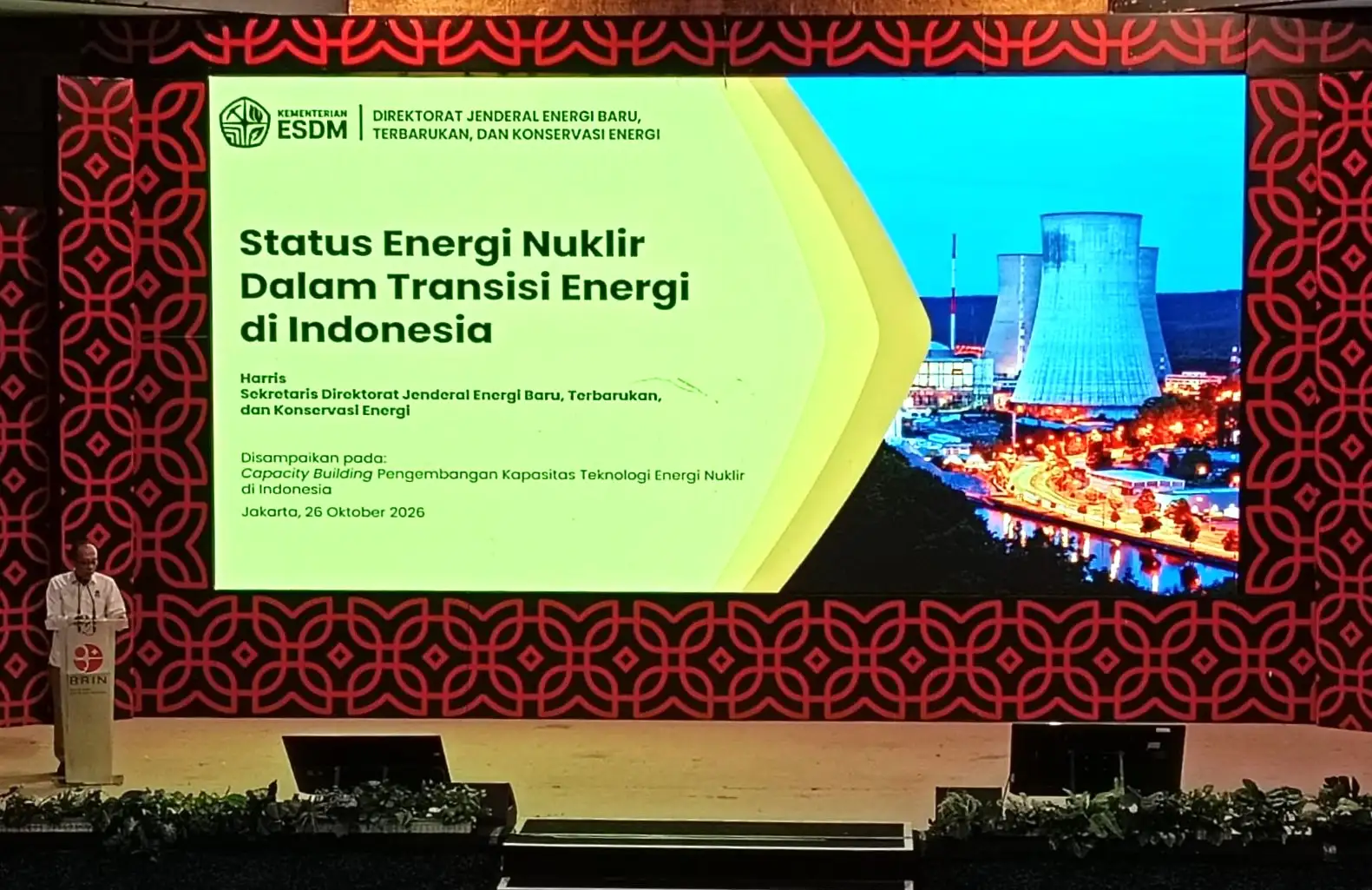
The two countries also have opportunities to cooperate on future energy technologies. Indonesia is seeking Russian expertise, technology and investment in renewable energy, smart electricity grids and the peaceful use of nuclear energy.
“We seek knowledge and investment in renewable energy, smart electricity grids and nuclear power for peaceful purposes, including modular and full-scale technologies with the highest safety standards and international safeguards,” Prabowo said.
Bahlil emphasized that the cooperation must be followed by clear and measurable actions to ensure benefits for Indonesian industries and communities.
“This cooperation must not stop at commitments. Its follow-up must be concrete and measurable, bring investment and technology transfer, and create added value for national industries and benefits for the people,” he said.
The Ministry of Energy and Mineral Resources will oversee potential Indonesia-Russia cooperation and seek to translate the agreements into programs and investments that support secure energy supplies, higher domestic production, technological capabilities and national energy independence.
The government sees cooneration with Russia as part of its broader strategy to strengthen Indonesia’s energy resilience while developing domestic capabilities in both conventional and future energy sectors. (*)