Enviro News Asia, Bogor — Indonesia’s Ministry of Forestry is strengthening the capacity of forestry personnel to assess the quality of forest plant seedlings as part of efforts to improve the effectiveness of forest and land rehabilitation programs.
The initiative is being carried out through a Forest Plant Seed Quality Testing Training program organized by the Ministry’s Human Resources Education and Training Center in cooperation with the Central Java Provincial Human Resources Development Agency.
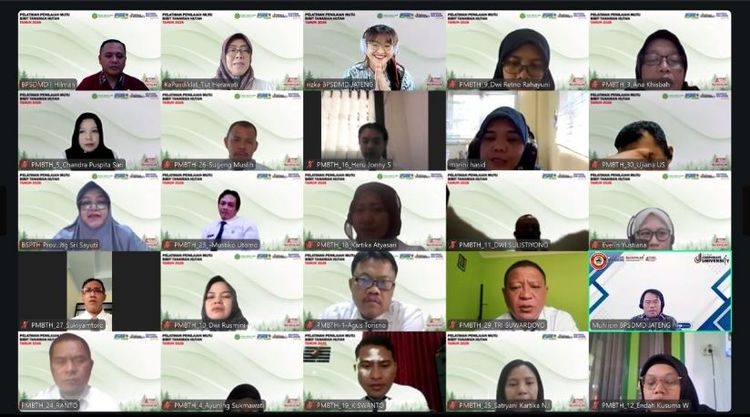
The training, which began in Bogor on August 11, 2026, involves participants from the Central Java Environmental and Forestry Agency. The program is designed to improve their technical knowledge, practical skills, and professional capacity to assess and determine seedling quality according to established standards.
Head of the Ministry’s Human Resources Education and Training Center Tuti Herawati said high-quality seedlings are a critical foundation for successful forest rehabilitation.
She emphasized that the use of seedlings that fail to meet quality standards could reduce the success rate of rehabilitation activities and affect the long-term recovery of forest ecosystems.
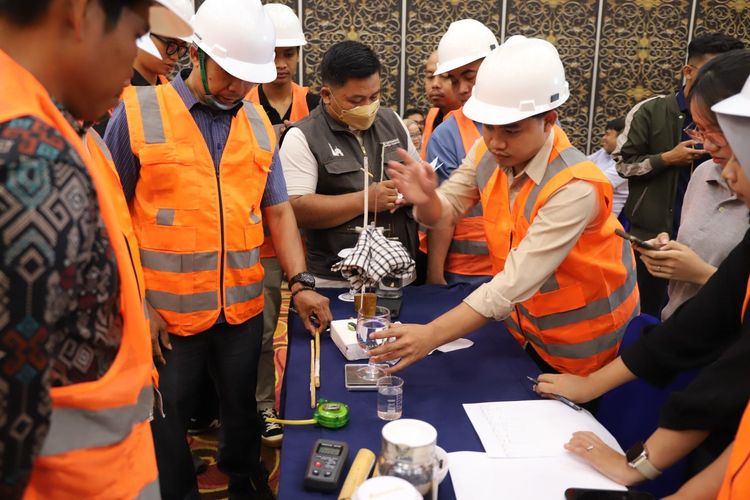
One of the challenges facing forest rehabilitation programs is the limited availability of personnel qualified to assess and certify the quality of forest seedlings. The training therefore combines technical knowledge with practical experience in the assessment process.
Participants are being trained in several stages, including sampling, verification of seed origin and documentation, physical and physiological quality assessment, application of quality standards, documentation, and seedling quality certification.
At the end of the program, participants will undergo an evaluation to assess their ability to determine seedling quality in accordance with applicable standards. The resulting competencies are expected to be applied within their respective institutions.
The Ministry said strengthening professional capacity in seed quality assessment is important because the quality of planting material directly influences the performance of forest rehabilitation initiatives.
The program also highlights the importance of cooperation between national and regional institutions in developing forestry-related human resources. The Ministry expects continued collaboration with the Central Java provincial government to ensure that training programs respond to practical needs in the field.
Improving the quality of forest seedlings is expected to contribute to more effective rehabilitation efforts, strengthen forest ecosystem recovery, and support sustainable forest management in Indonesia. (*)