

Enviro News Asia, Jakarta — Indonesia is calling for faster and more coordinated disaster-risk mitigation as climate change, environmental degradation, and social inequality create increasingly complex threats to communities and critical infrastructure.
Vice Minister of Energy and Mineral Resources Yuliot Tanjung said disaster preparedness must focus on three priorities: investing in resilience, strengthening inclusive early-warning systems, and expanding cross-sector and cross-border cooperation.
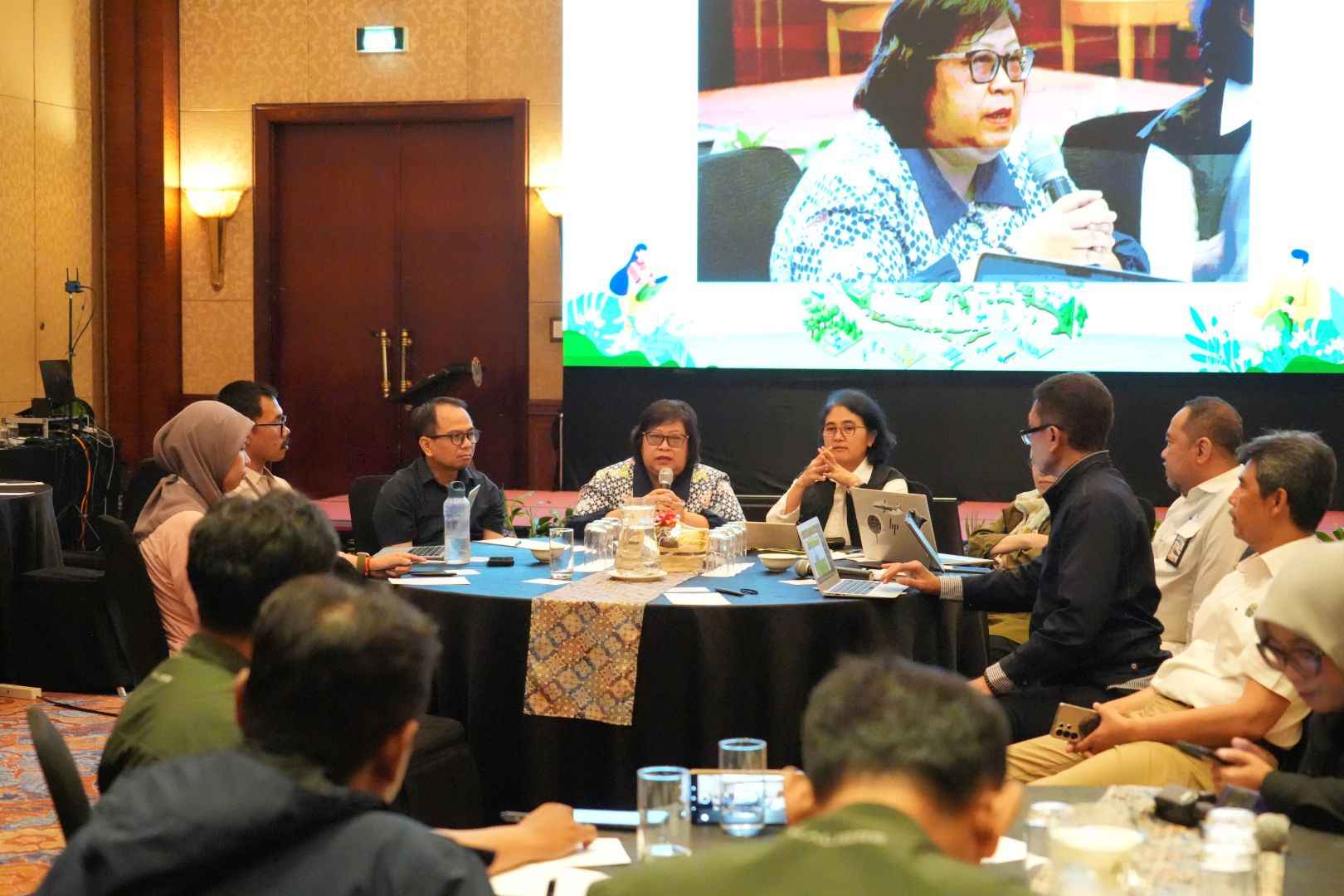
Yuliot delivered the message while opening the 5th Asia Disaster Management and Civil Protection Expo & Conference (ADEXCO) and the 3rd Global Forum for Sustainable Resilience (GFSR) 2026 in Jakarta on Wednesday, September 9.
The forum, themed “Putting People at the Centre of Resilience,” brought together government officials, international organizations, disaster-management institutions, and other stakeholders to discuss strategies for strengthening resilience.
Yuliot said disasters could no longer be viewed solely as isolated natural events. Climate change, environmental degradation, and social inequality are increasingly interacting to create systemic risks.
“We are no longer talking about disasters simply as natural events. Climate change, environmental degradation, and social inequality have combined into a massive systemic threat,” Yuliot said.
He warned that emerging disaster risks are developing faster than response capacities, making early mitigation increasingly important.
Three Priorities for Resilience
Yuliot outlined three strategic measures that Indonesia should strengthen.
First, disaster-risk reduction should become a core investment in national development. Governments need to invest consistently in resilience and green infrastructure rather than treating mitigation solely as an operational cost.
Second, Indonesia needs to strengthen the Early Warnings for All approach by turning technical data into local information that communities can understand and access easily. Early-warning systems, he said, must also serve children, people with disabilities, Indigenous communities, and other vulnerable groups.
Third, disaster resilience requires stronger cross-border cooperation and multi-stakeholder solidarity involving governments, the private sector, universities, civil society organizations, and young people.
The approach is particularly important as Indonesia faces multiple climate-related hazards across different regions.
Fires Threaten Energy Infrastructure
Yuliot also highlighted forest and land fires (karhutla) affecting parts of Sumatra, Kalimantan, Sulawesi, and Papua.
Beyond damaging ecosystems and affecting public health, karhutla can disrupt critical infrastructure supporting mining, oil, and gas operations.
The Ministry of Energy and Mineral Resources (ESDM) also expressed appreciation for the National Disaster Management Agency (BNPB) for its response to protect national vital infrastructure from fire threats.
Yuliot specifically praised BNPB’s rapid response to forest fires in the working area of the Tangguh gas project in Bintuni, West Papua.
“We extend our highest appreciation to BNPB for its rapid response in extinguishing forest fires in the Tangguh Bintuni oil and gas working area in West Papua,” he said.
The incident highlights the need to integrate disaster preparedness with the protection of strategic energy infrastructure, particularly in areas exposed to increasingly variable weather and climate conditions.
From Response to Prevention
The government expects ADEXCO and GFSR 2026 to produce practical commitments that can strengthen community protection and disaster preparedness.
Yuliot emphasized that resilience requires action before disasters occur rather than relying primarily on emergency response after impacts have already emerged.
The approach also calls for stronger coordination among government institutions, international organizations, businesses, researchers, civil society, and communities.
By placing public safety at the center of disaster planning, Indonesia aims to improve its ability to anticipate climate-related hazards while protecting communities, ecosystems, and critical national infrastructure. (*)