Enviro News Asia, Washington, D.C. – Indonesia and the United States are exploring new cooperation in low-calorie coal gasification technology to support energy security, industrial downstream development, and technological innovation.
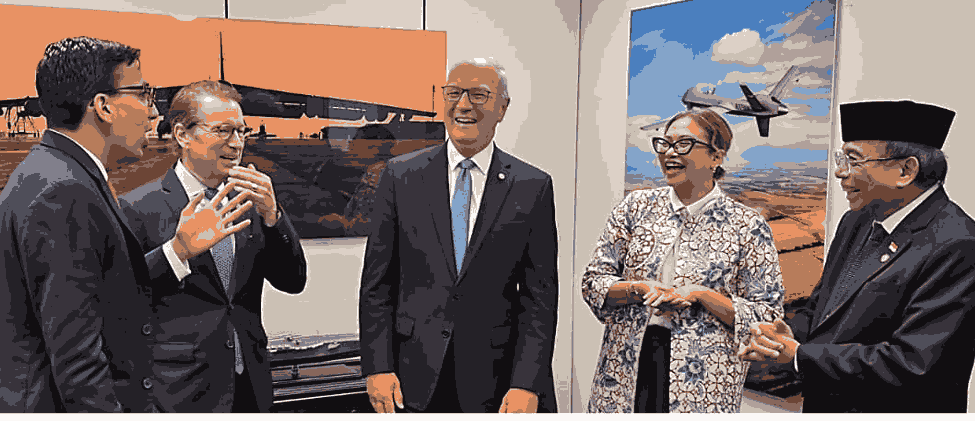
The initiative was discussed during a meeting between Director General for American and European Affairs at Indonesia’s Ministry of Foreign Affairs Grata Endah Werdaningtyas and U.S. Senator Kevin Cramer of North Dakota at the U.S. Capitol in Washington, D.C., on August 4. Indonesian Ambassador to the United States Indroyono Soesilo also attended the meeting.
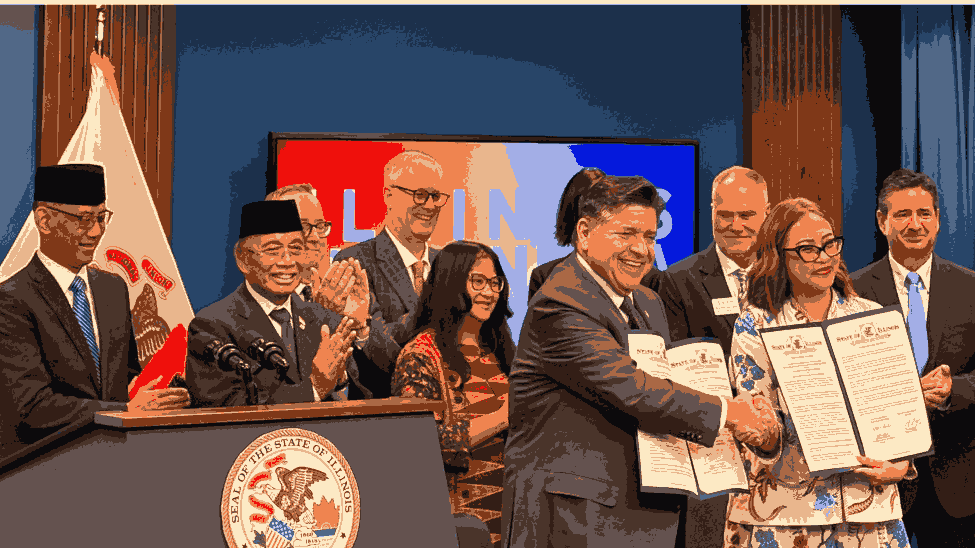
The discussion covered opportunities to strengthen cooperation between Indonesia and the United States not only at the federal level but also through partnerships with individual U.S. states, particularly North Dakota, in support of Indonesia’s food security, energy independence, and industrial downstream development.
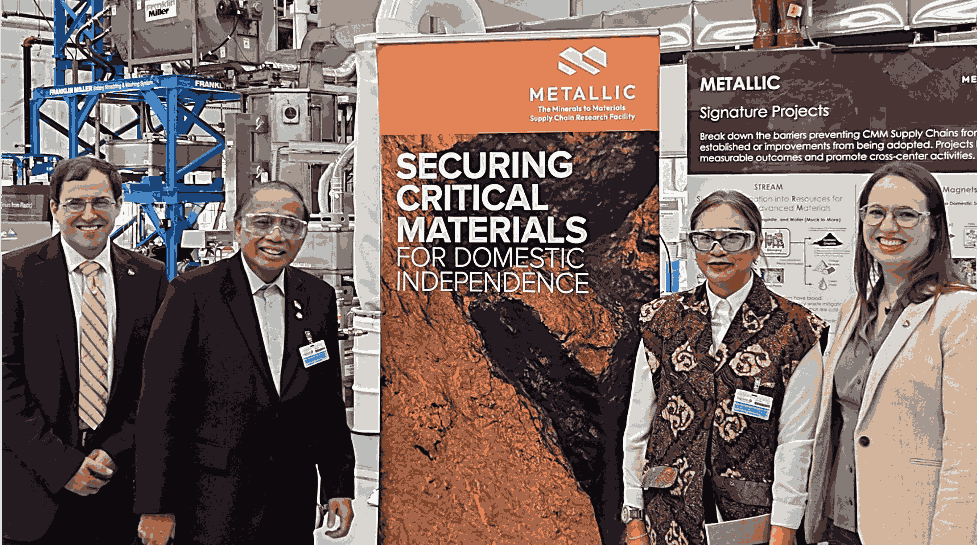
A key topic was the proposed research and innovation collaboration on low-calorie coal gasification between Indonesia’s National Research and Innovation Agency (BRIN) and the University of North Dakota, particularly through its Energy and Environmental Research Center (EERC). The initiative is expected to support prospective cooperation between Danantara and U.S.-based Latitude Energy Inc. in promoting the utilization of low-rank coal as an alternative energy feedstock, including for liquefied petroleum gas (LPG) substitution.
Senator Kevin Cramer has long been associated with strengthening North Dakota’s energy research ecosystem, including supporting the development of energy and environmental research at the University of North Dakota. One of the center’s notable innovations is the Transport Integrated Gasification (TRIG) technology, which enables the more efficient utilization of low-calorie coal through advanced gasification processes.
Indonesia possesses abundant reserves of low-calorie coal, making cooperation in gasification research strategically important for advancing national energy independence and industrial downstream development. The collaboration also reflects the growing Indonesia–U.S. partnership beyond the federal level through practical subnational cooperation based on shared interests.
Beyond the energy sector, North Dakota also offers significant cooperation opportunities in agriculture, particularly wheat production, which is closely linked to Indonesia’s food security agenda. The integration of energy, agriculture, research, technology, and innovation demonstrates that scientific advancement will remain a key foundation for sustainable bilateral cooperation between the two countries. (*)