Enviro News Asia, Jakarta — Pertamina reaffirmed its commitment to environmental sustainability and inclusive development by expanding integrated programs across its business lines in commemoration of Earth Day 2026, themed “Our Power, Our Planet.”
The company emphasized the importance of collaboration between industry and society in addressing environmental challenges, particularly through initiatives under its Corporate Social and Environmental Responsibility (TJSL) framework. These programs are designed to accelerate the energy transition while empowering communities at the grassroots level.
According to Vice President Corporate Communication, Muhammad Baron, Earth Day serves as a strategic moment to strengthen synergy between stakeholders. He highlighted that Pertamina actively involves students, researchers, local communities, and small businesses in environmental conservation and economic empowerment programs, many of which are managed through Pertamina Foundation.
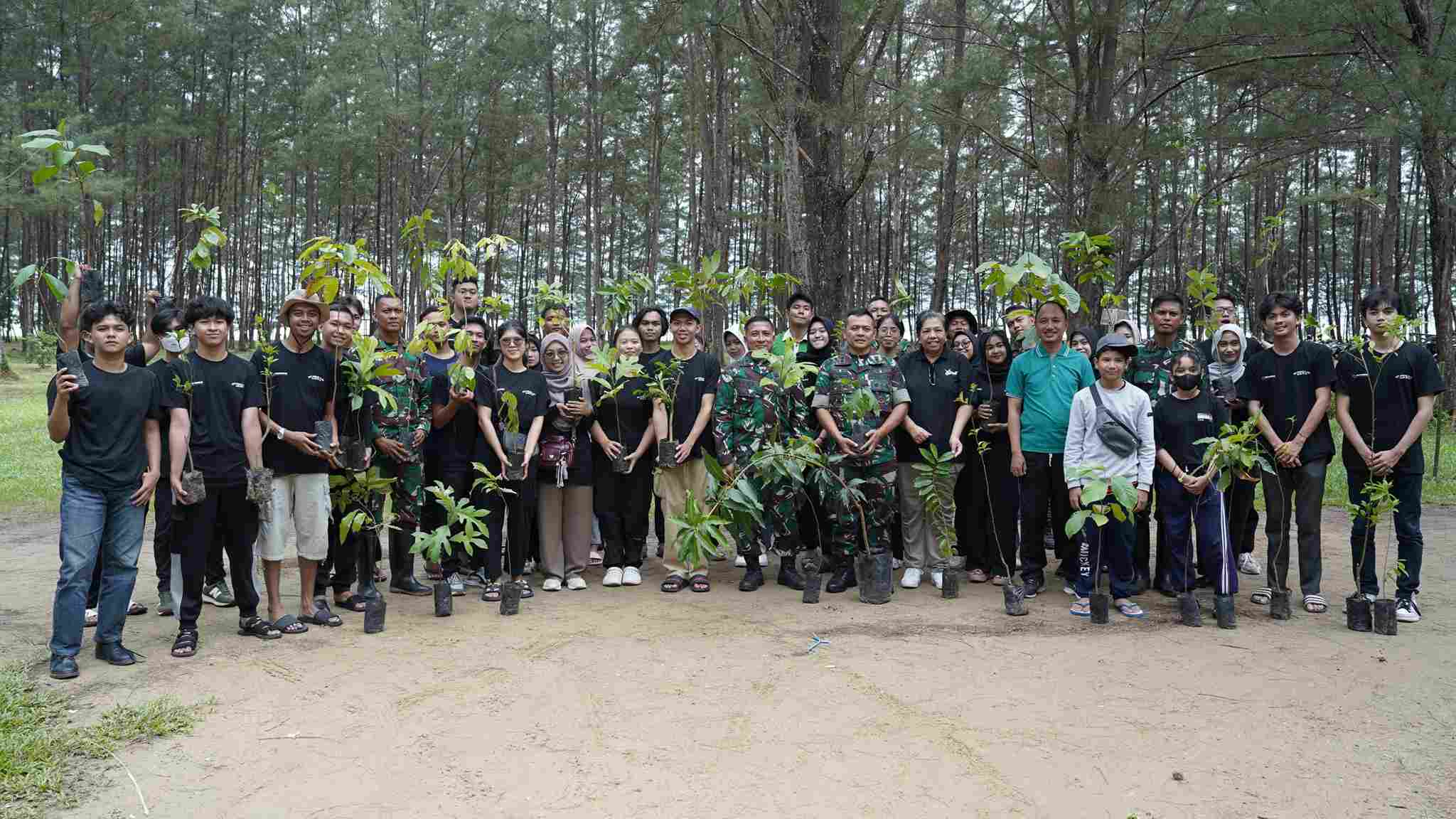
One of the flagship initiatives is the PFlestari program, which focuses on ecosystem restoration through the planting of more than one million terrestrial and mangrove trees. The program also supports community-based economic activities, including training in forest product processing and the utilization of plant waste into value-added products.
In line with its energy transition agenda, Pertamina continues to expand the Desa Energi Berdikari Sobat Bumi (DEB SoBI) program. Over the past three years, the initiative has supported 40 villages in developing renewable energy solutions, generating approximately 1,100 kWh of solar energy annually and 6,199 cubic meters of biogas, benefiting more than 1,600 people.
In the education sector, Pertamina has also strengthened its long-running Sobat Bumi scholarship program, which has reached over 5,000 recipients nationwide since its inception. Scholarship beneficiaries actively contribute to environmental actions, including tree planting and community clean-up campaigns.
Additionally, Pertamina promotes circular economy practices through the development of sustainable micro, small, and medium enterprises (MSMEs). One assisted business has successfully transformed used cooking oil into products such as soap and candles, while repurposing production waste into maggot feed.
These initiatives align with global sustainability targets, including the United Nations Sustainable Development Goals (SDGs), particularly in climate action, marine and terrestrial ecosystem protection, and Indonesia’s commitment to reducing greenhouse gas emissions under its Nationally Determined Contribution (NDC).
Pertamina reiterated that environmental protection is a shared responsibility and pledged to continue fostering collaboration with communities, institutions, and younger generations to ensure long-term, sustainable impact. (*)