Enviro News Asia, Quezon — The governments of the Philippines and Singapore have formalized a bilateral climate cooperation framework to strengthen carbon market mechanisms and accelerate emissions reduction efforts.
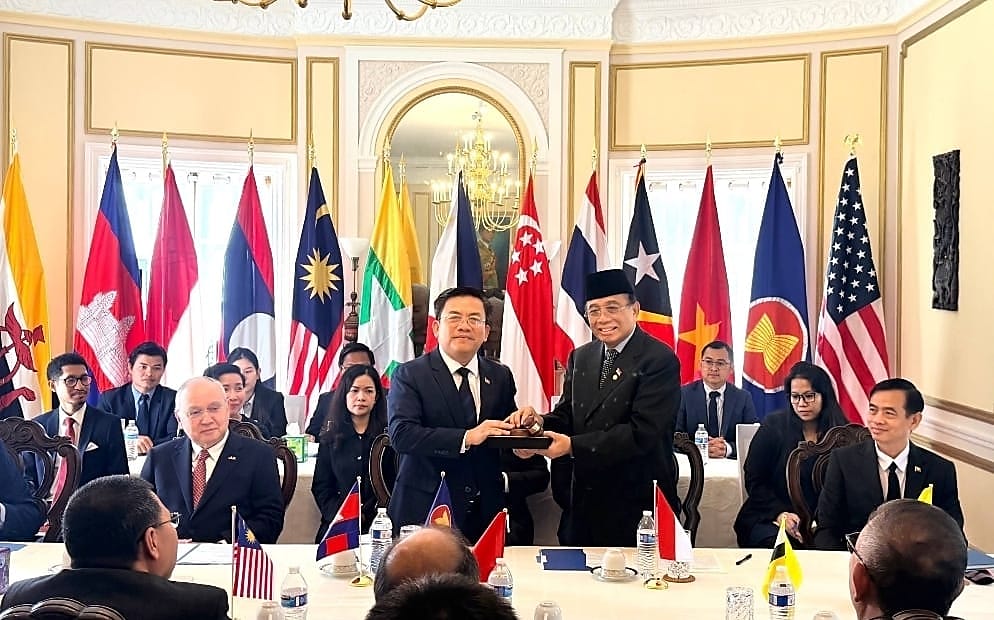
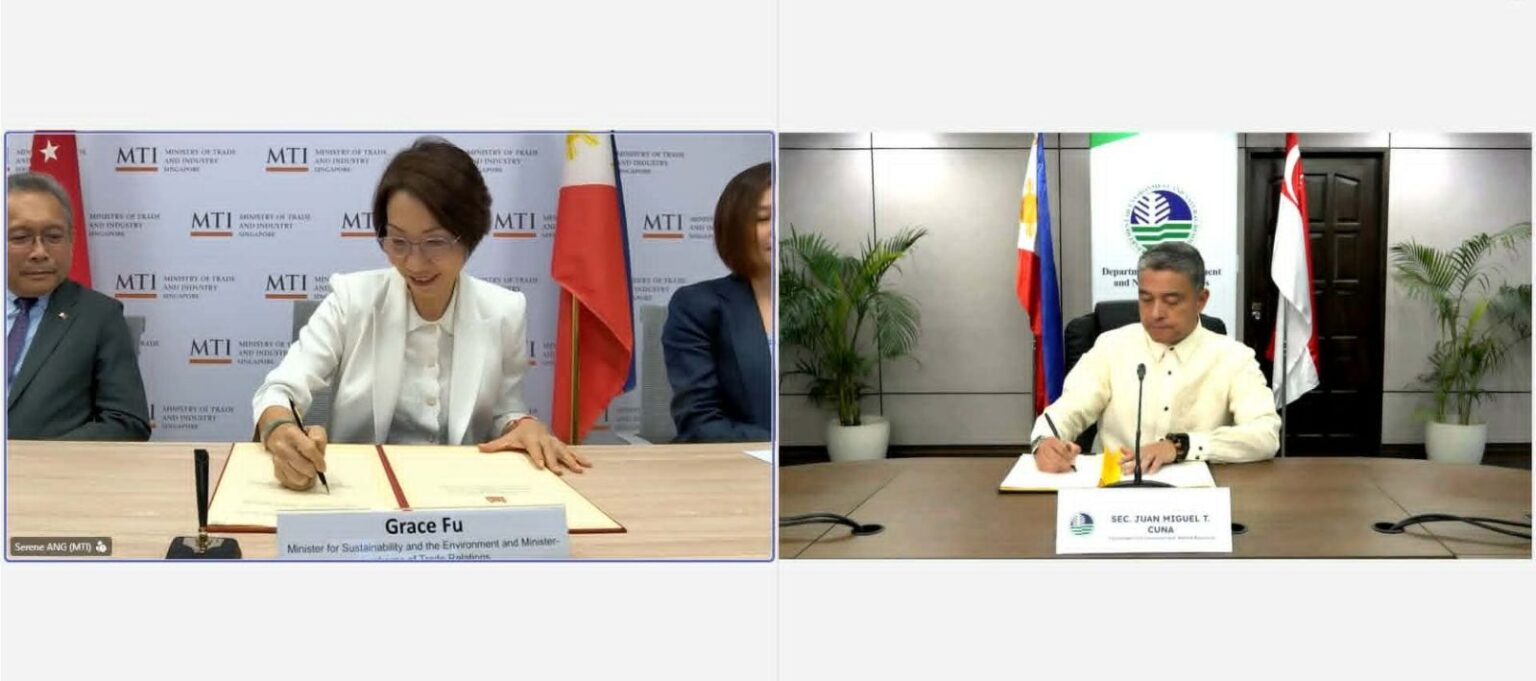
Both countries signed the Philippines–Singapore Implementation Agreement on April 30, 2026, in Quezon City during ASEAN Climate Week. The agreement operates under Article 6.2 of the Paris Agreement, enabling the transfer of Internationally Transferred Mitigation Outcomes between the two countries.
Juan Miguel T. Cuna of the Department of Environment and Natural Resources and Grace Fu from the Ministry for Sustainability and the Environment led the signing ceremony.
The agreement establishes a framework for authorizing mitigation activities, transferring carbon credits, and ensuring governance and transparency in line with international standards. It also creates a joint committee to oversee implementation and manage a list of approved carbon crediting methodologies.
Officials stated that the partnership will attract climate investments into key sectors such as renewable energy, waste management, methane reduction, nature-based solutions, and climate-smart agriculture. It will also strengthen institutional readiness and position the Philippines as a competitive destination for carbon market investments in Southeast Asia.
Cuna said the agreement reflects a partnership built on trust and transparency, while Fu highlighted its potential to channel climate finance into impactful projects and expand opportunities for businesses and local communities.
The agreement will allow revenues from carbon trading to support reforestation, renewable energy deployment, and community-based climate initiatives, particularly in vulnerable regions. It also aims to deliver broader development benefits while enhancing climate resilience.
Both governments will next activate the joint committee, integrate national registries for tracking carbon credits, and open project authorization processes to enable participation from the private sector and local stakeholders.
The agreement serves as a model for regional cooperation, demonstrating how ASEAN countries can build credible and transparent carbon markets to support a low-carbon future. (*)