Enviro News Asia, Mataram — PT PLN Energi Primer Indonesia (PLN EPI) is expanding community-based waste management in Mataram, West Nusa Tenggara, by integrating a Reduce, Reuse, Recycle (TPS3R) facility with Black Soldier Fly (BSF) maggot cultivation.
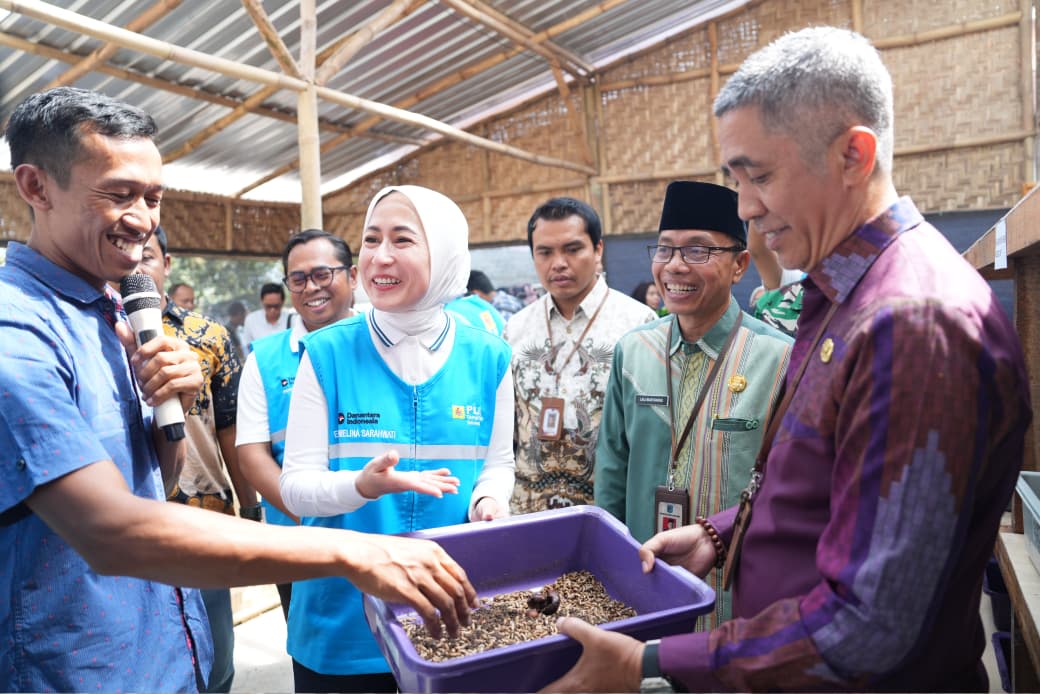
PLN EPI and its subsidiary, PT Pelayaran Bahtera Adhiguna (BAg), inaugurated the TPS3R facility in Sekarbela District on September 10. The facility is designed to process organic waste from micro, small and medium enterprises (MSMEs) around Bagek Kembar Beach and nearby households.
The initiative forms part of PLN EPI’s Environmental, Social and Governance (ESG) efforts and its corporate social and environmental responsibility program. It aims to reduce waste generation while turning organic waste into productive resources that can generate additional economic value for local communities.
PLN EPI Director of Gas and Fuel Erma Melina Sarawati said waste management requires active community participation and collaboration among stakeholders.
“Waste is a problem for all of us. Therefore, we are not only building facilities but also encouraging communities to manage waste collectively so that the benefits extend beyond the environment and contribute to economic empowerment,” Erma said.
She added that the program was intended to create a wider multiplier effect for communities around PLN EPI’s energy infrastructure projects through training, partnerships and other empowerment programs.
Sekarbela District Head Arief Satriawan said the TPS3R facility responds to the community’s urgent need for better waste-management infrastructure and is expected to serve three urban villages in the district.
Waste delivered to the facility will first be sorted according to its type and potential use before being processed.
Mataram Municipal Administration Assistant for Government and Community Welfare Lalu Martawang, representing the mayor, said the facility should also encourage changes in how residents perceive and manage waste.
He said waste should be treated as a resource that can be processed and provide long-term benefits rather than simply being discarded.
“Building a clean and sustainable city cannot be achieved by the government alone. We need collaboration between the government, businesses and communities,” Martawang said.
As part of the program, PLN EPI is providing training to community groups to process organic waste from Bagek Kembar MSMEs and surrounding households into feed for BSF maggots.
Muhammad Ridwan, chairman of the Bale Maggot community group, said the training had helped residents understand how organic waste could become an input for maggot cultivation.
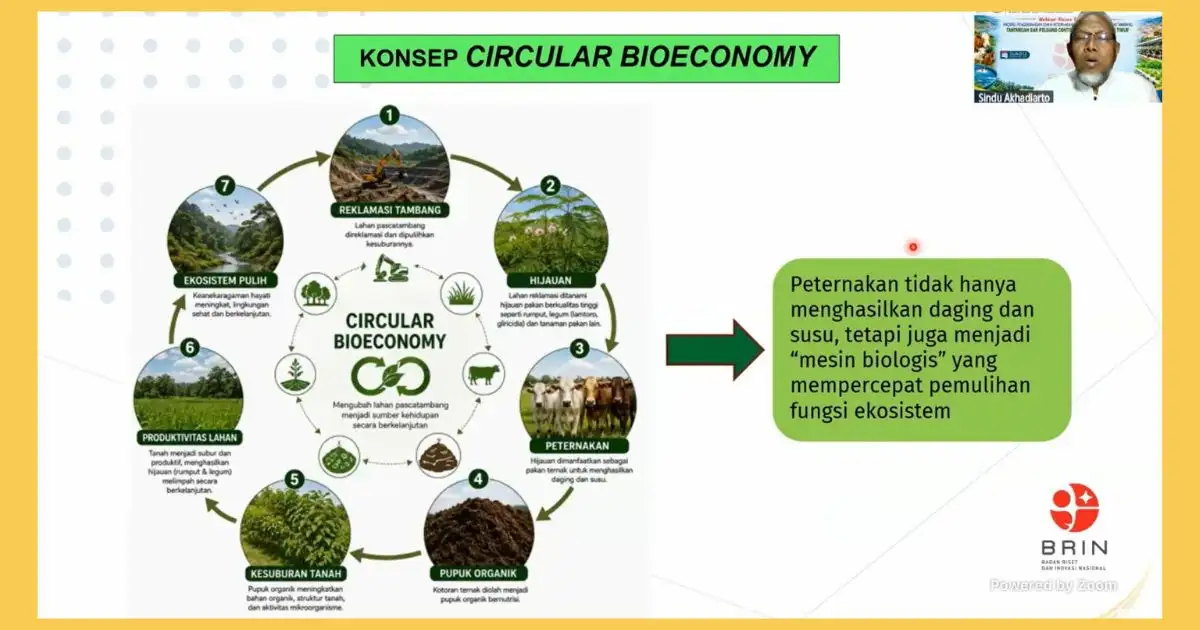
The integration of waste processing and maggot farming creates a circular-economy model in which organic waste is converted into a productive resource while supporting a cleaner coastal tourism area.
The initiative also includes social assistance from YBM PLN EPI. The organization distributed basic food packages to 30 elderly households in Tanjung Karang Permai Village and educational assistance to 30 orphans from the Al Abror Family Care Foundation.
The assistance was funded through zakat, infaq and sadaqah contributions from PLN EPI employees and managed by YBM PLN EPI.
PLN EPI said the integrated TPS3R and BSF cultivation program supports Sustainable Development Goal 12 on responsible consumption and production by promoting waste sorting, processing and reuse.
The company expects the initiative to strengthen environmental management and community empowerment around its energy project areas while creating a more sustainable local economic ecosystem. (*)