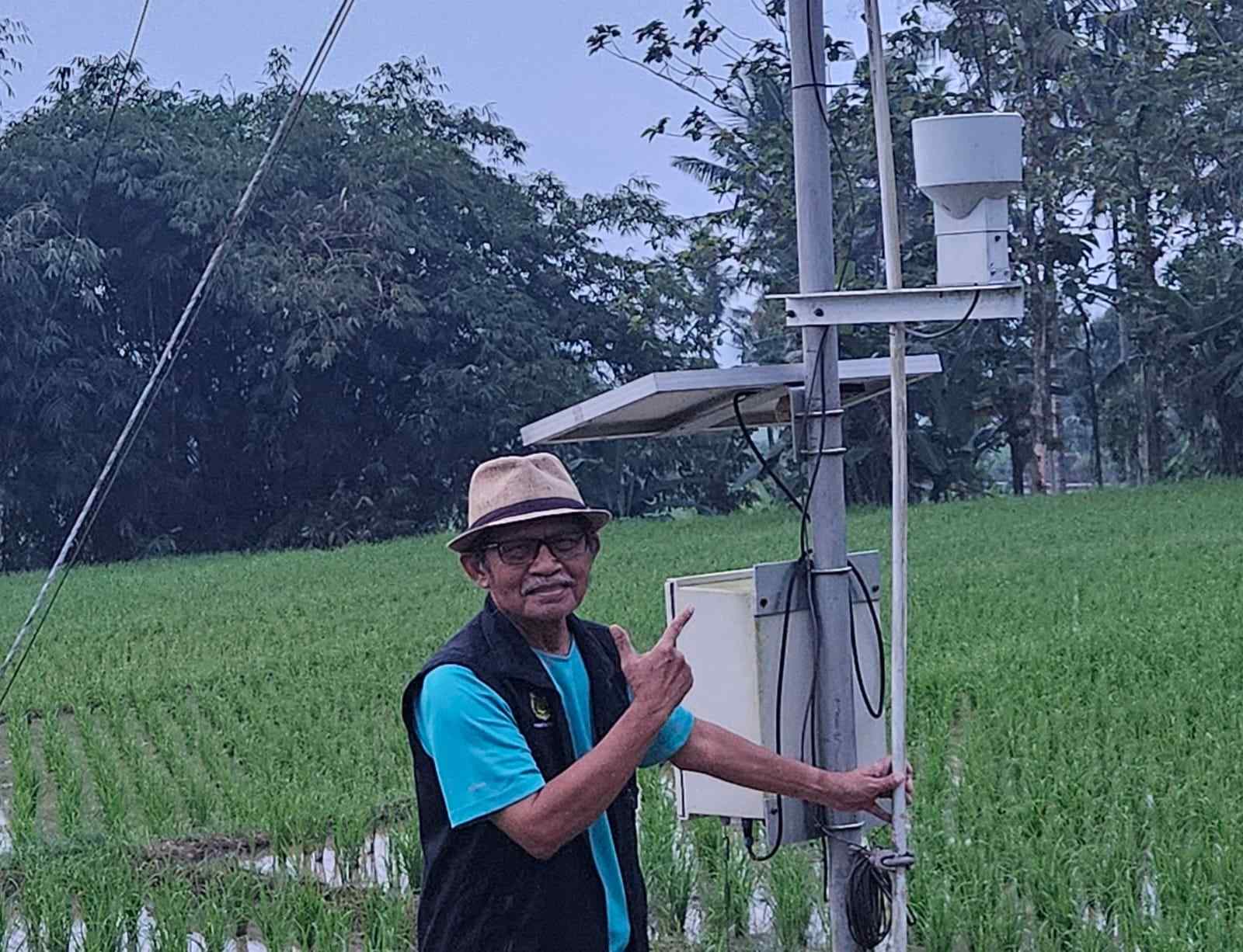
Enviro News Asia, Jakarta — Climate, environmental, and geospatial observer Asep Karsidi has urged the government, businesses, and the public to strengthen preparedness for the potential dry season in 2026, which could trigger droughts, forest and land fires, and water crises across several regions in Indonesia.
Asep stated that global climate indicators suggest Indonesia is entering a transition toward drier-than-normal conditions due to a combination of the El Niño phenomenon and a positive Indian Ocean Dipole (IOD). According to him, these conditions could intensify the dry season in the second half of 2026.
“Both BMKG and NOAA indicate strengthening El Niño signals from mid to late 2026. If a moderate El Niño and positive IOD fully develop, Indonesia could face a significant dry season that must be anticipated early,” Asep said in a written assessment released in Jakarta on Sunday.
He explained that El Niño generally reduces convective cloud formation over Indonesia, weakening rainfall, increasing the duration of dry days, and raising surface temperatures. These conditions could heighten the risk of meteorological drought and land fires, particularly in peatland areas.
Asep noted that May to June 2026 will remain a seasonal transition period marked by localized extreme weather such as heavy rain, thunderstorms, strong winds, and tornadoes in several regions. However, from July to August 2026 onward, rainfall conditions are forecast to become predominantly dry, with widespread rainfall deficits expected across Java, Bali, Nusa Tenggara, South Sumatra, Kalimantan, Sulawesi, and Maluku.
“The period from August to September is likely to become the most critical phase because the combination of a mature El Niño, positive IOD, and dry Australian monsoon could significantly increase the risks of forest and land fires, water shortages, irrigation disruptions, and deteriorating air quality,” he said.
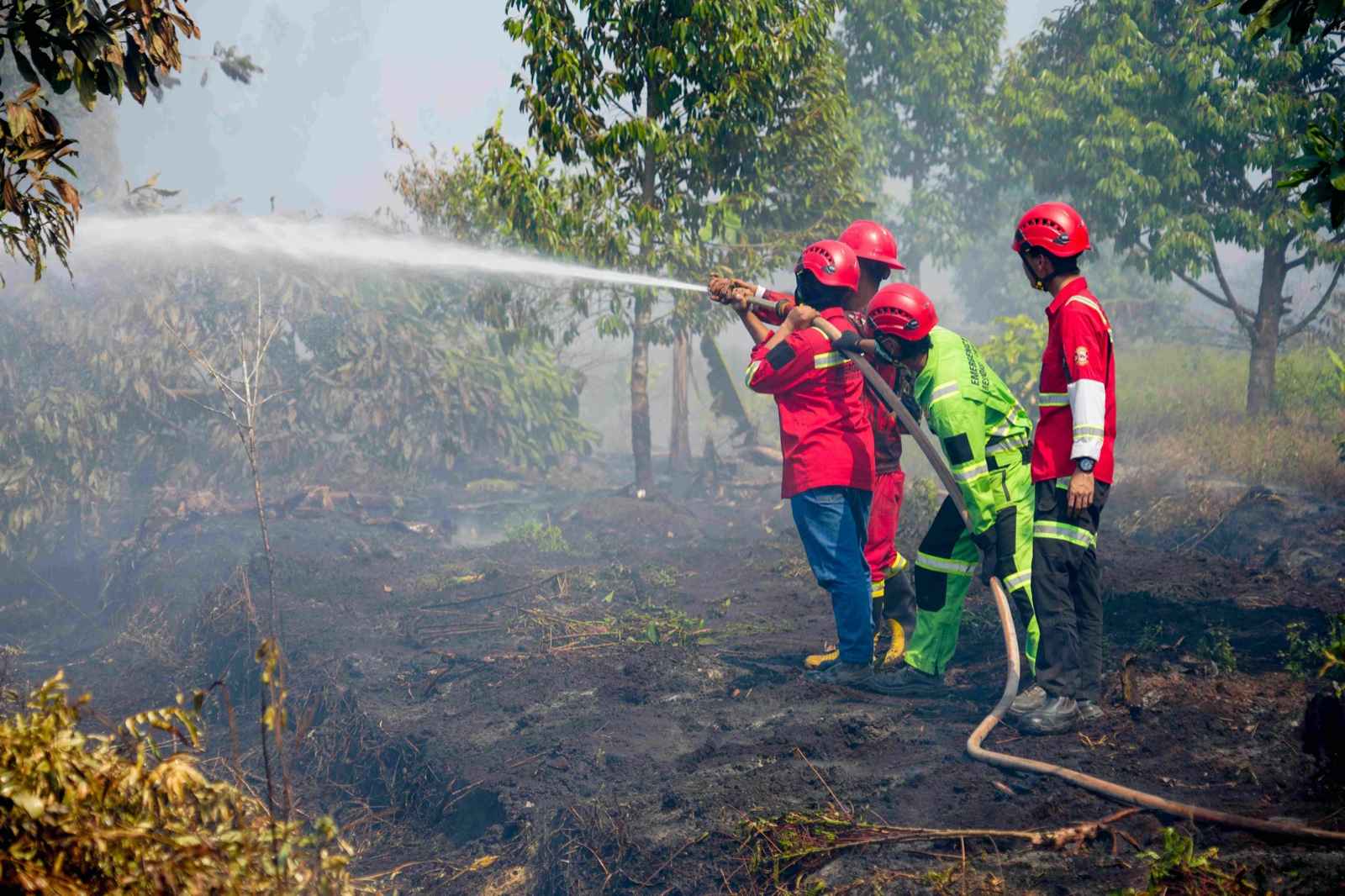
He added that regions projected to face the highest risks include northern Java, Bali–West Nusa Tenggara–East Nusa Tenggara, South Sumatra, Jambi, Riau, Central Kalimantan, and South Kalimantan. These areas are considered highly vulnerable to drought, declining water availability, and peatland fires.
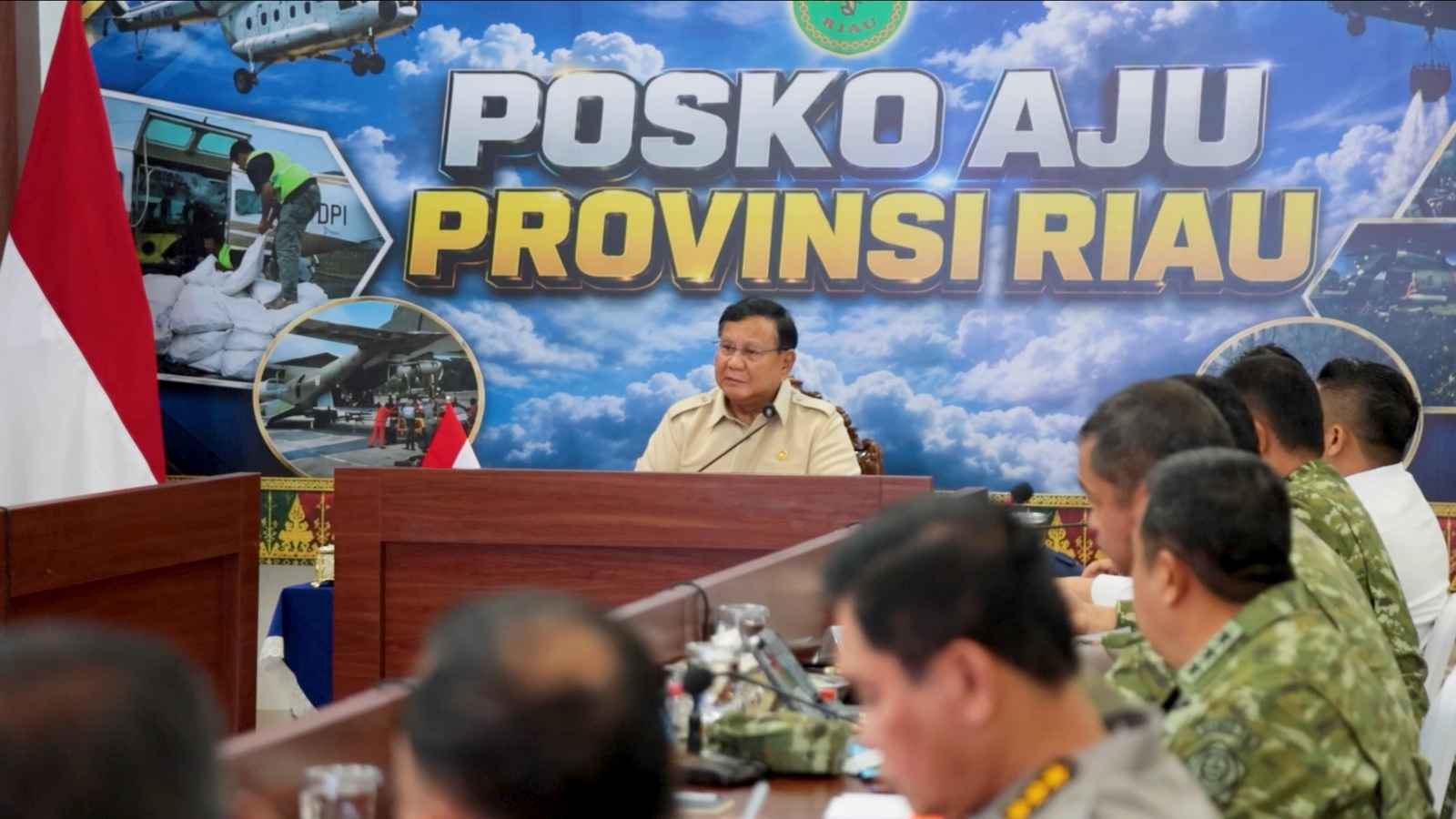
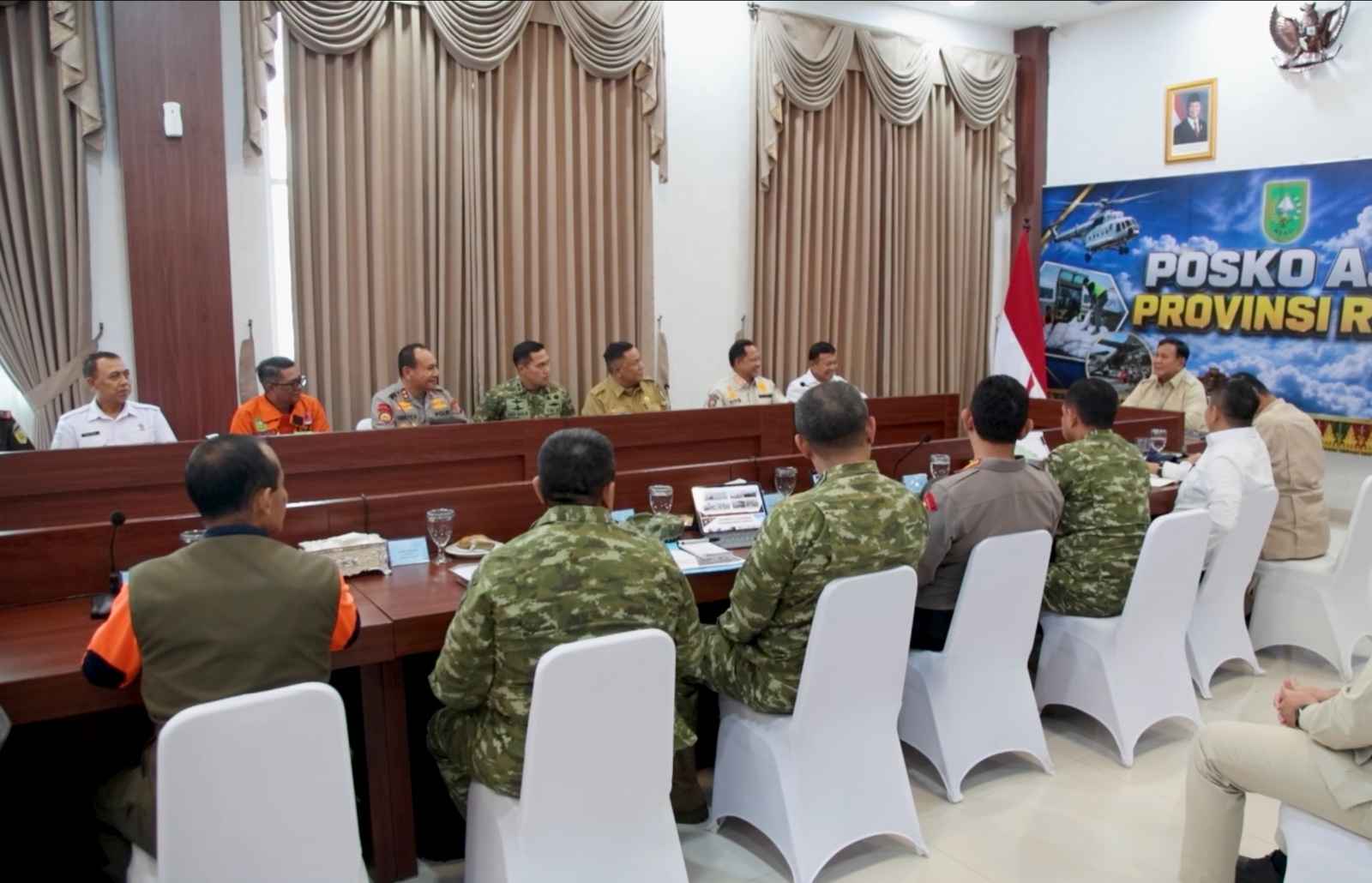
According to Asep, the government needs to strengthen anticipatory measures through early warning systems for forest and land fires, water resource management, adjustments to planting calendars, and satellite-based hotspot monitoring. Preparedness for weather modification operations and securing urban raw water supplies should also become priorities.
“Mitigation measures must begin early because the impacts of a prolonged dry season are not limited to forest and land fires, but also affect food security, public health, and broader economic activities,” he said.
In his assessment, Asep also warned that although ENSO predictions still contain a degree of uncertainty, the trend toward drier conditions is considered strong enough to warrant serious attention. He emphasized that cross-sector coordination and national preparedness will be critical in reducing hydrometeorological disaster risks during the second half of 2026. (*)