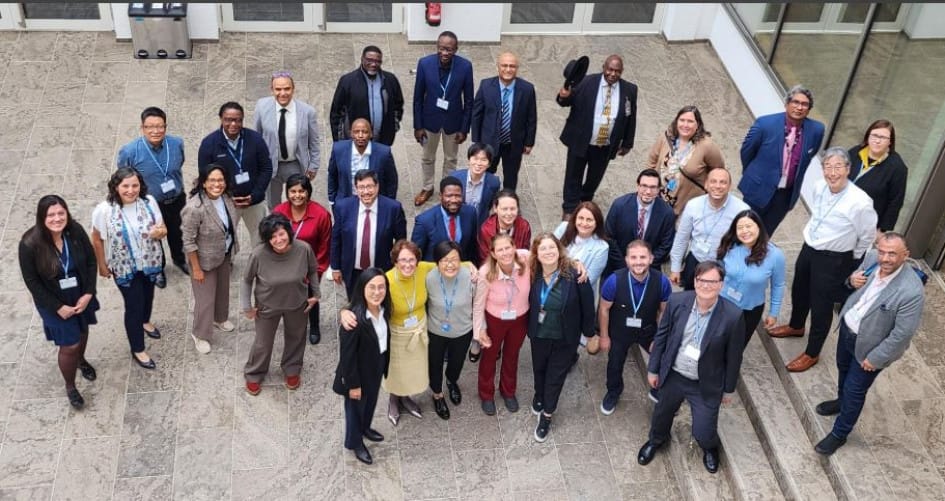
Enviro News Asia, Bonn — A new report released by the United Nations Environment Programme Copenhagen Climate Centre (UNEP-CCC) has highlighted growing concerns over the health impacts of climate change and called on countries to strengthen policies and financing mechanisms to address losses and damage beyond economic costs.
The report, Loss and Damage Beyond Economics, was presented as negotiations on loss and damage continued at the Bonn Climate Change Conference. It examines how countries incorporate health-related losses into national climate frameworks, including Nationally Determined Contributions (NDCs), National Adaptation Plans (NAPs), and Health National Adaptation Plans.
According to the study, countries are increasingly acknowledging the physical and mental health consequences of climate change in their adaptation strategies, particularly through NAPs. However, the report found limited evidence that these concerns have translated into concrete implementation measures, funding arrangements, or operational responses.
Anne Olhoff, Director of UNEP-CCC, said climate change has evolved into a growing public health crisis and warned that countries must convert awareness into practical actions and support systems.
The report noted that heat-related deaths currently claim an estimated 546,000 lives annually and are expected to increase in the coming years. It also pointed out that around 3.6 billion people already live in areas highly vulnerable to climate change, placing additional pressure on healthcare systems and communities.
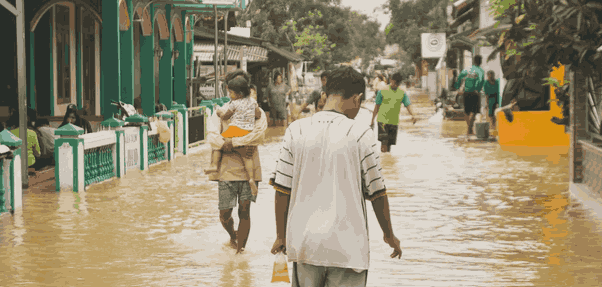
While climate impacts are often measured in monetary terms, the report stressed that many consequences cannot be expressed financially. These include loss of life, deteriorating mental health, displacement, declining well-being, and the weakening of social cohesion.
UNEP-CCC estimated that climate-related losses and damages caused at least US$2.8 trillion in economic costs worldwide between 2000 and 2019. Nevertheless, the organization emphasized that financial estimates capture only a portion of the overall impacts experienced by communities.
Olhoff said many climate impacts are irreversible and deeply personal, adding that efforts to address loss and damage should focus on protecting people rather than merely safeguarding economies.
The report was published as countries in Bonn advanced negotiations on scaling up support under the United Nations climate process, including efforts to operationalize the Fund for Responding to Loss and Damage.
To strengthen national responses, UNEP-CCC recommended that governments integrate health considerations more systematically into climate policies, improve data and indicators for measuring non-economic losses, and establish stronger financing mechanisms and implementation plans to bridge the gap between recognizing health risks and taking effective action.
Experts said stronger implementation will become increasingly important as climate-related health threats continue to intensify worldwide. (*)