Enviro News Asia, Jakarta — Waste separation at the source is critical to developing black soldier fly (BSF) maggot cultivation into a commercially viable livestock feed business, Indonesia’s Deputy Minister of Environment Diaz Hendropriyono said.
Diaz said proper sorting was necessary to ensure that organic waste used as maggot feed was free from contaminants that could prevent the resulting maggots from meeting safety and quality requirements for animal feed.
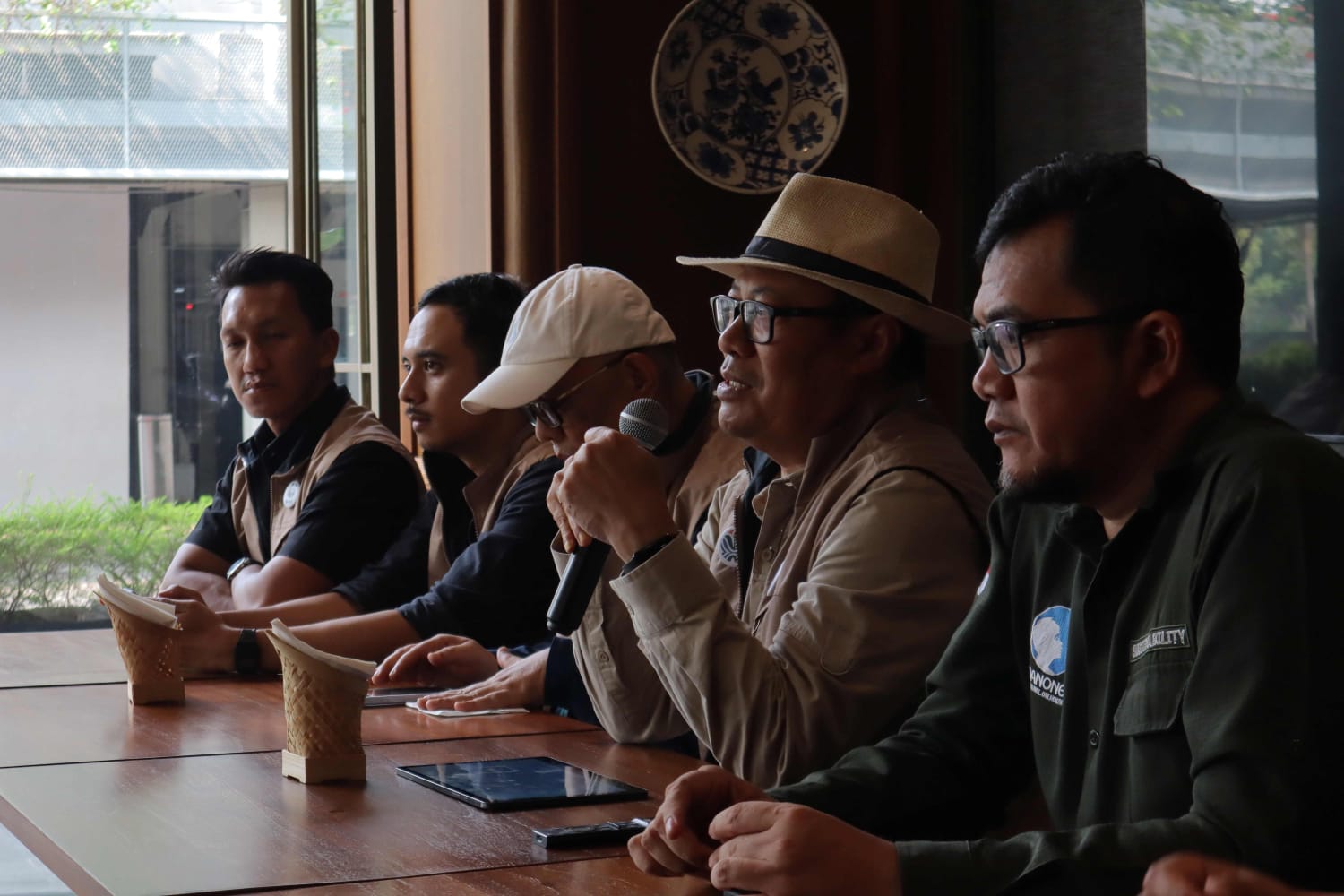
“If waste is not properly sorted, maggots may consume contaminated waste. Once contaminated, the maggots cannot be used as animal feed, making it difficult for small-scale producers to expand their businesses,” Diaz said in North Jakarta on September 6.
He made the remarks while attending the 81st anniversary celebration of the Indonesian Navy (TNI AL) at Muara Angke, North Jakarta. The event featured several environmental and community activities, including a beach cleanup, free health services, food distribution and community assistance.
The Ministry of Environment and the Environmental Control Agency (KLH/BPLH) also operated a booth showcasing environmentally friendly products developed by residents of North Jakarta, including BSF maggot cultivation.
Diaz said maggot cultivation using properly managed kitchen and other organic waste could support a circular economy while creating new business opportunities for communities. However, he stressed that the raw material must meet safety requirements if the maggots are intended for use as livestock feed.
Under Indonesia’s Agriculture Ministry Regulation No. 22 of 2017, organic kitchen waste used as feed for maggots intended for livestock feed must be protected from contamination, including heavy metals and other hazardous substances.
The requirement makes waste separation at the source an important part of the production chain. Organic materials suitable for maggot cultivation need to be separated from plastics, metals, chemicals and other potentially hazardous materials before reaching the cultivation stage.
Diaz also linked the practice to broader efforts to develop downstream waste-management industries. He said waste-to-energy projects and other downstream processing initiatives would be difficult to operate effectively without proper waste separation upstream.
“Downstream processes such as waste-to-energy cannot work without sorting at the source,” he said, while praising the Indonesian Navy for promoting waste separation as part of its community and environmental activities.
The initiative also has potential to strengthen small and medium-sized enterprises by turning organic waste into an economic resource. Properly managed BSF cultivation can reduce the volume of organic waste while producing biomass that can potentially be processed into animal feed.
At the same event, Indonesian Navy Chief of Staff Admiral Muhammad Ali urged the public to reduce plastic waste and strengthen awareness of marine environmental protection.
He said protecting the marine environment requires action across the entire waste pathway, from rivers to coastal areas and the sea.
The government views source-level waste separation as an important foundation for developing circular-economy activities, including maggot cultivation and waste-to-energy. For communities and small businesses, the approach could simultaneously address organic waste management and create additional economies. (*)