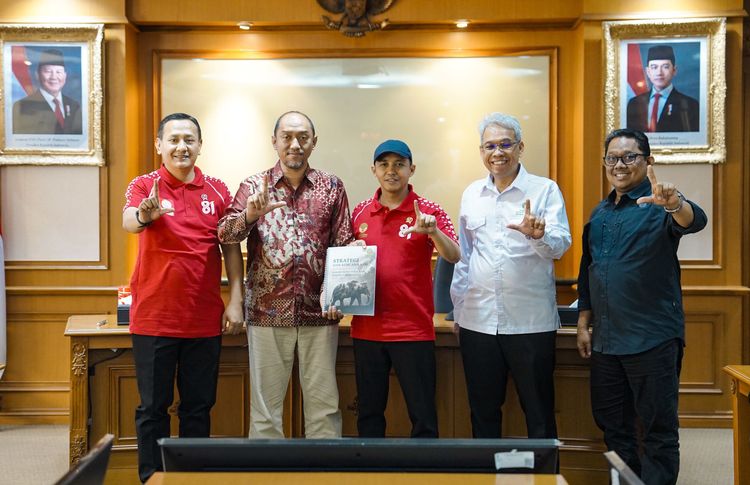
Enviro News Asia, Jakarta — Indonesia has launched a 10-year conservation strategy for Sumatran and Kalimantan elephants, setting out a national framework to protect populations, restore habitats and reduce human-elephant conflict through 2036.
Forestry Minister Raja Juli Antoni, accompanied by Deputy Forestry Minister Rohmat Marzuki, officially launched the Sumatran and Kalimantan Elephant Conservation Strategy and Action Plan (SRAK) 2026–2036 on August 12, coinciding with World Elephant Day.
The strategy is intended to serve as a common reference for government institutions, local authorities, businesses, academics, conservation organizations and communities involved in elephant protection across Indonesia.
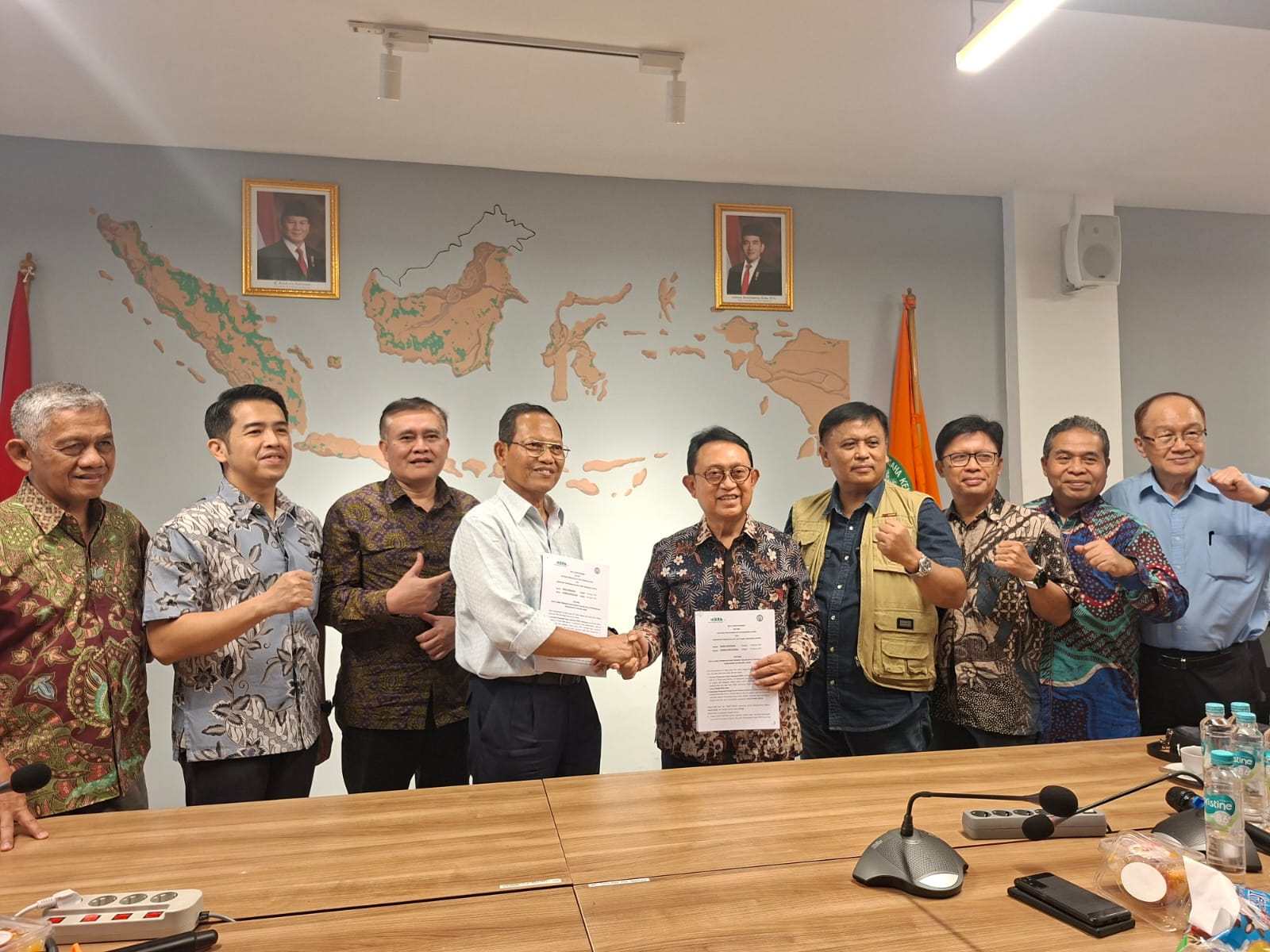
The formal launch began with the handover of the SRAK document to Raja Juli by Director General of Conservation of Natural Resources and Ecosystems Satyawan Pudyatmoko and Indonesian Elephant Conservation Forum (FKGI) Chair Donny Gunaryadi. The minister subsequently signed the document to mark the start of its implementation.
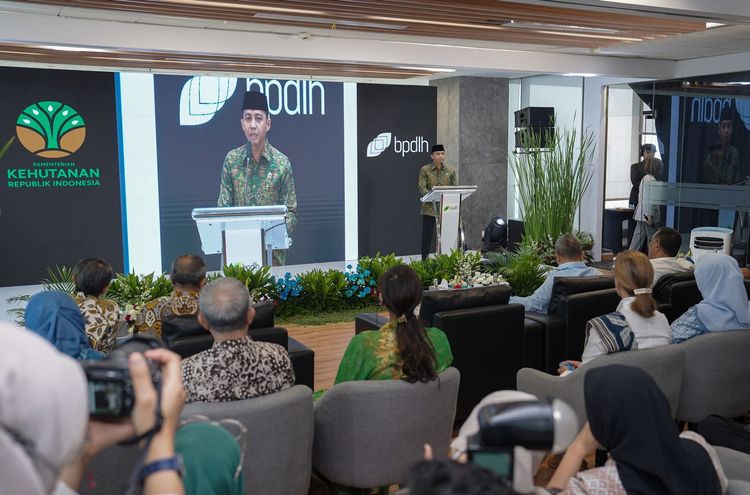
Raja Juli stressed that the strategy should not remain a policy document but must be translated into concrete conservation measures. He called on stakeholders to ensure that the strategy is implemented consistently so that elephant populations can improve over the next decade.
The strategy was developed through a collaborative process involving multiple government agencies and other stakeholders. The Ministry of Forestry established a preparation team through Decree No. 40 of 2026 issued by the Directorate of Species Conservation. The process began in March 2026 and involved a series of discussions and revisions with relevant institutions and conservation stakeholders.
The SRAK also provides an operational framework for implementing Presidential Instruction No. 8 of 2026 on the Rescue of Sumatran and Kalimantan Elephant Populations and Habitats, issued on June 15, 2026.
The presidential instruction established elephant conservation as a cross-sector priority requiring coordination among ministries and agencies, central and local governments, businesses and communities.
Under the 2026–2036 strategy, conservation priorities include protecting and restoring elephant habitats, strengthening and securing populations, maintaining wildlife corridors and habitat connectivity, preventing and responding to human-elephant conflicts, enforcing conservation laws, empowering local communities, conducting research and monitoring, and strengthening conservation financing.
The approach reflects the growing recognition that elephant conservation extends beyond protecting individual animals. Maintaining connected habitats and migration routes is essential to allowing elephant populations to survive while reducing encounters between wildlife and communities.
The Ministry of Forestry expects consistent implementation of the strategy to improve protection for Sumatran and Kalimantan elephants while safeguarding their habitats and reducing human-elephant conflict.
The 10-year framework also places collaboration at the center of conservation efforts, with government agencies expected to work alongside local communities and other stakeholders to ensure that elephant protection delivers long-term ecological and social benefits. (*)