Enviro News Asia, Jakarta — Vice Minister of Forestry Rohmat Marzuki emphasized the strategic role of Forest Ecosystem Controllers (Pengendali Ekosistem Hutan/PEH) in ensuring that forest ecosystems are managed sustainably, adaptively, and through science- and technology-based approaches.
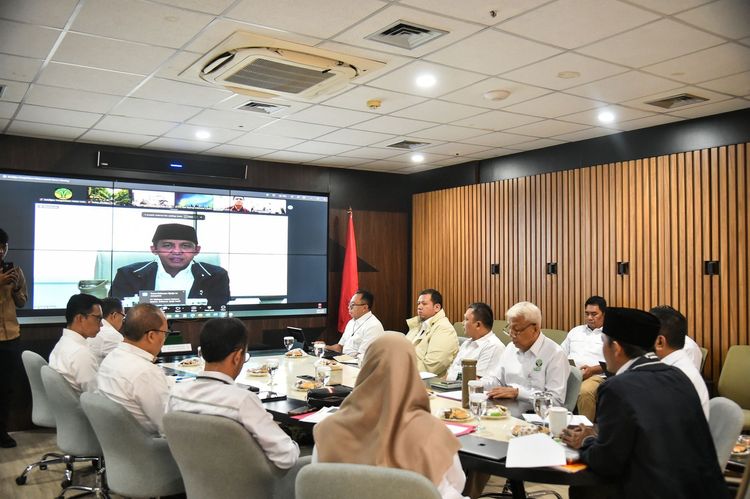
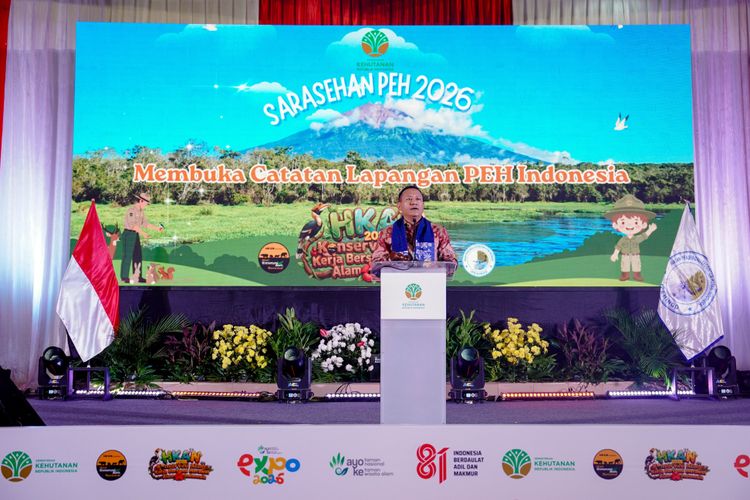
Rohmat made the statement while opening the 2026 Forest Ecosystem Controllers Forum, held as part of the 2026 National Nature Conservation Day (HKAN) celebrations. He described PEH personnel as being on the front line of translating forestry policies into concrete action in the field.
According to Rohmat, field records, professional experience, and innovations developed by PEH personnel are valuable sources of knowledge for improving forest management. He stressed that field reports should not merely document activities, but should also capture challenges, solutions, lessons learned, and innovations that can benefit current and future generations of forest managers.
Rohmat likened PEH personnel to “avatars” in forest management because of their role in understanding and maintaining the balance among interconnected elements within forest ecosystems. These include soil, water, air, fire, and human activities.
“PEH personnel must be able to manage five key elements: soil as the foundation of forest management, water and hydrological systems, air through the forest’s role in producing oxygen, fire through prevention and mitigation of forest and land fires, and people through social approaches and community empowerment,” Rohmat said.
The Vice Minister noted that forest ecosystem management covers six major areas: forestry planning and environmental spatial management; conservation of forest resources and ecosystems; watershed management and forest rehabilitation; sustainable forest utilization; climate change mitigation; and social forestry.
Given the broad scope of these responsibilities, PEH personnel are expected to possess specialized expertise while also developing a holistic understanding of forestry. They are encouraged to work across sectors, institutions, and stakeholders through a landscape-based approach, recognizing that sustainable forest management cannot be achieved by the Ministry of Forestry alone.
The 2026 PEH Forum, themed “Opening the Field Notes of Indonesian Forest Ecosystem Controllers,” also highlighted various innovations developed by PEH personnel across Indonesia. Among them were the SERASI system for spatially dynamic agroforestry governance, evidence-based conservation action under Resort-Based Management, integrated online services, a Telegram-based hotspot detection notification system, and the identification of four new Agroecological Papua species.
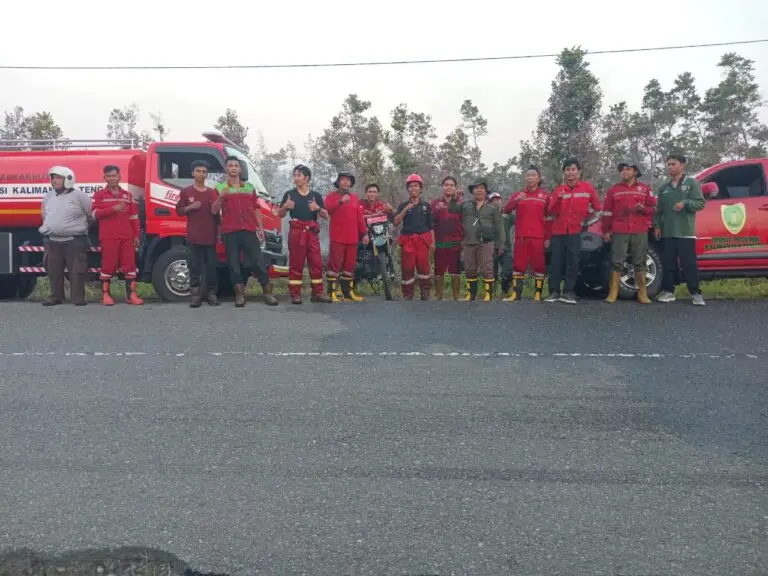
Rohmat also encouraged PEH personnel to maximize digital, spatial, and data-driven technologies to support forest management and decision-making. One example is the Jagarimba Decision Support System, which integrates forestry data, including hotspot analysis, to accelerate responses to forest and land fires.
He emphasized that rapid coordination, monitoring, and response are critical in preventing forest and land fires from spreading over larger areas. PEH personnel, therefore, need to continuously improve their capabilities and adapt to technological developments.
The Vice Minister further highlighted the importance of strengthening PEH capacity in supporting the green economy, including carbon trading. With regulations governing carbon economic value, PEH personnel have an increasingly important role in understanding carbon potential, ecosystem restoration, and innovative financing mechanisms for forest conservation and rehabilitation.
The Ministry of Forestry currently has 4,692 PEH personnel, representing approximately 22 percent of its total workforce. Rohmat said the figure represents a significant institutional strength in ensuring that forestry policies are effectively implemented at the field level.
He expressed hope that the 2026 PEH Forum would serve as a platform for exchanging experiences, strengthening professional networks, and generating new ideas for sustainable forest management.
“PEH personnel are not merely technical implementers. They connect policy with implementation, scientific knowledge with field practices, and ecosystem protection with sustainable development,” Rohmat said.
Through professionalism, integrity, innovation, and collaboration, Forest Ecosystem Controllers are expected to remain at the forefront of safeguarding Indonesia’s forests, supporting sustainable development, and improving community welfare. (*)