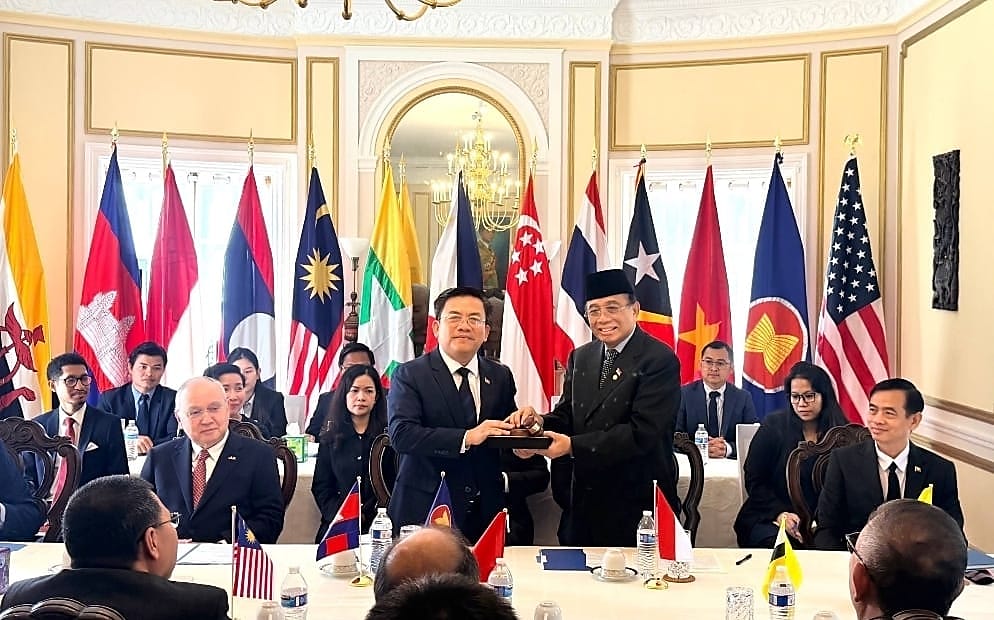
Enviro News Asia, New York — Indonesia is strengthening efforts to protect women from cervical cancer through a strategic partnership between Bio Farma and global healthcare company Merck.
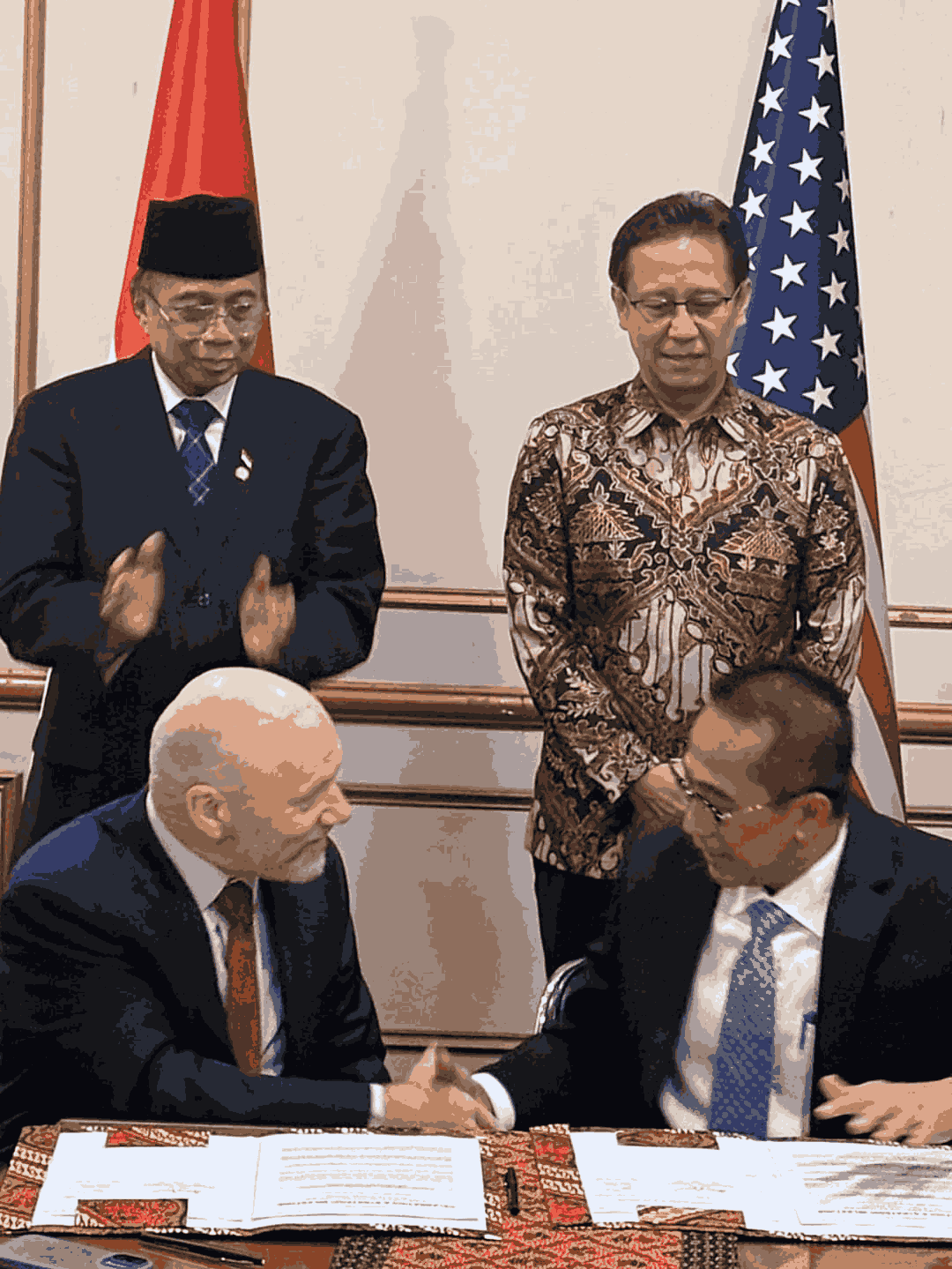
Bio Farma and Merck signed a memorandum of understanding (MoU) on Monday, September 21, 2026, at the Consulate General of the Republic of Indonesia (KJRI) in New York, United States.
Bio Farma President Director Shadiq Akasya and Merck President of Global Vaccines and Infectious Diseases Gregg Szabo signed the agreement. The signing was witnessed by Indonesian Health Minister Budi Gunadi Sadikin and Indonesian Ambassador to the United States Indroyono Soesilo.
The partnership focuses on the development, supply, and expansion of access to Human Papillomavirus (HPV) vaccines. HPV is the primary cause of cervical cancer, one of the major health threats facing Indonesian women.
HPV is a common virus that can spread through skin-to-skin and sexual contact. In many cases, the infection clears on its own. However, some high-risk HPV types can persist in the body, cause abnormal changes in cervical cells, and gradually develop into cervical cancer if not prevented or detected early.
Data from GLOBOCAN 2021, which is used in Indonesia’s national health program, recorded approximately 36,633 new cervical cancer cases annually in Indonesia. Various estimates also indicate that between 18,000 and 21,000 Indonesian women die from the disease each year.
These figures highlight cervical cancer as not only a medical issue but also a challenge affecting families, productivity, and the country’s future.
HPV vaccination plays an important role in prevention. Cervical cancer generally does not develop suddenly. The progression from HPV infection to cancer can take years, making prevention and early detection critical.
HPV vaccination is most effective when administered to girls aged 9–14, before potential exposure to the virus. The vaccine protects against high-risk HPV types, including types 16 and 18, which are responsible for a substantial proportion of cervical cancer cases.
Prevention can reduce the need for costly and intensive treatment. Advanced cervical cancer may require surgery, chemotherapy, radiotherapy, hospitalization, and long-term care, placing significant burdens on patients, families, and the healthcare system.
The Bio Farma–Merck MoU creates opportunities to strengthen vaccine supplies, facilitate technology transfer, improve Indonesia’s domestic vaccine manufacturing capabilities, develop human resources, and expand immunization coverage across regions.
The partnership also contributes to Indonesia’s national health resilience and strengthens health cooperation between Indonesia and the United States.
Its long-term impact will depend on implementation and broader access to prevention and early detection. Key outcomes will include greater HPV vaccination coverage among Indonesian girls, wider access to cervical cancer screening, and a reduction in the number of women developing cervical cancer in the future. (*)