

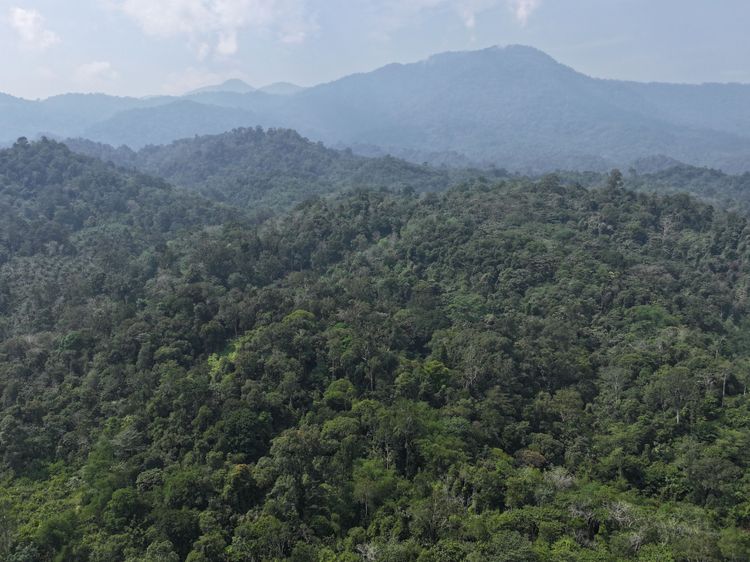
Enviro News Asia, Jambi — Community participation and stronger law enforcement are being emphasized as key elements in Indonesia’s efforts to prevent forest and land fires, with the Bujang Raba landscape in Jambi cited as an example of community-led forest protection.
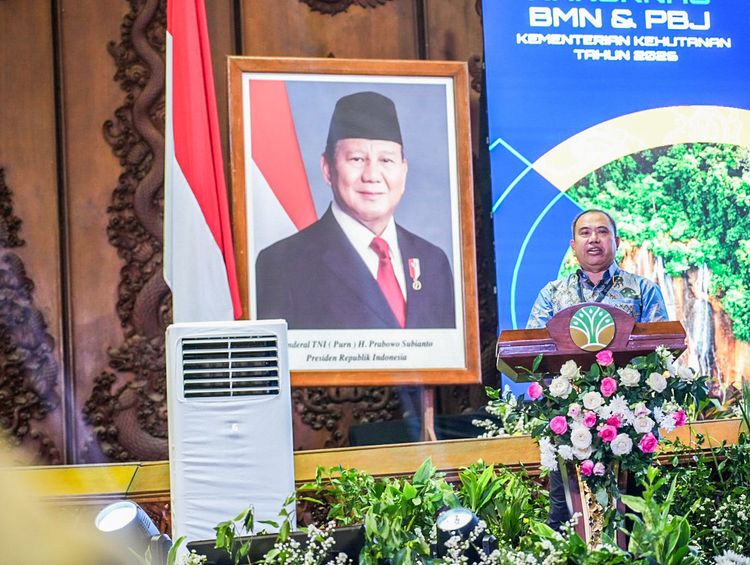
Forestry Minister Raja Juli Antoni highlighted the approach during a visit to Bungo Regency, Jambi, on September 28, 2026. He said community awareness and collective agreements to protect forests can help maintain forest areas while supporting long-term local benefits.
Raja Juli pointed to Bujang Raba, where villages have worked with the Indonesian Conservation Community (KKI) Warsi to protect their forests from fires and illegal activities.
“Community empowerment, awareness and law enforcement must work together. When communities are empowered and participate actively, forests can be better protected,” Raja Juli said.
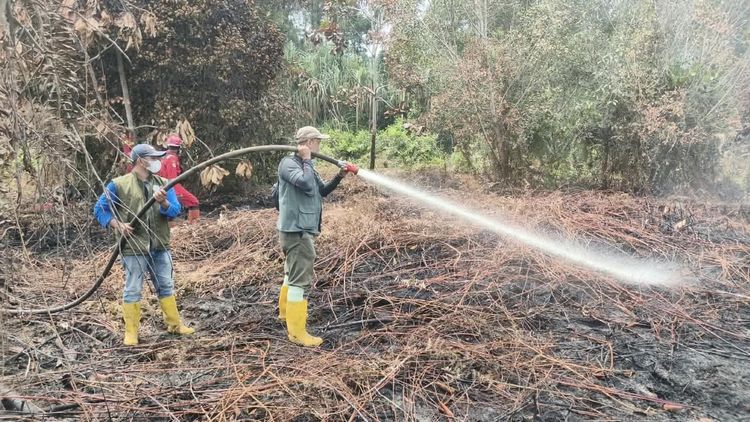
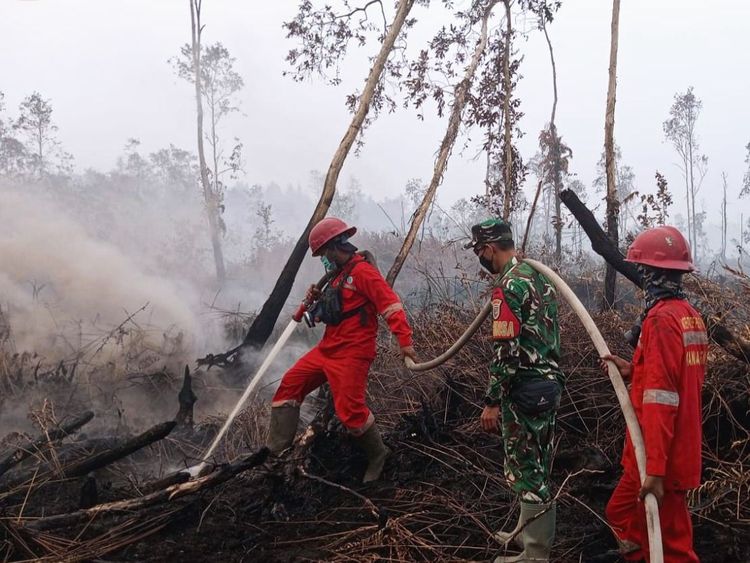
According to the minister, Bujang Raba demonstrates how community participation can contribute to forest and land fire prevention. He said a similar approach could be strengthened through the planned establishment of the National Peatland and Mangrove Management Agency (BPGMN), which would involve communities and Manggala Agni in fire-prevention efforts.
From Fire-Prone Area to Carbon Landscape
Bujang Raba is part of the Bukit Panjang Rantau Bayur protected forest and is managed by communities under Indonesia’s Social Forestry program.
The approximately 7,292-hectare landscape consists of five village forests: Lubuk Beringin, Laman Panjang, Buat, Sungai Telang and Senamat Ulu. A total of 1,183 households help protect the area with assistance from KKI Warsi.
The area previously experienced forest fires and illegal logging. Communities subsequently agreed to protect the forest collectively. Raja Juli said the results can now be seen in clearer rivers, functioning agricultural areas and growing tourism activities.
The landscape has also become a model for carbon trading under the Social Forestry program. Approval has been granted for the issuance of 238,281 tonnes of carbon dioxide equivalent (tCO2e) covering approximately 6,634 hectares.
Raja Juli estimated that if all carbon units were sold, the potential value could reach around Rp30 billion. He said the proceeds could be reinvested in environmental protection, including tree planting and river management.
“We protect our forests, and the rice fields and harvests can benefit, tourism can develop, and there can also be additional benefits from carbon,” Raja Juli said.
The minister said Kemenhut would support efforts to address obstacles in the field, including efforts to improve market access for Bujang Raba’s carbon units.
As part of fire-control support, Kemenhut will also provide firefighting equipment to the five village forests within the Bujang Raba landscape.
Raja Juli said the government seeks to encourage a shift in the way forests are managed, from extracting timber toward planting, protecting and maintaining forests while ensuring that communities receive tangible benefits from conservation.
“If cutting forests generates benefits while protecting them also generates benefits, protecting the forest becomes the better option,” he said.
Carbon Trading Framework
Bujang Raba’s transition toward carbon trading has taken several years. Carbon trading activities in the landscape were suspended in 2021 while the government prepared a specific regulatory framework.
Following the issuance of Presidential Regulation No. 110 of 2025 and Forestry Minister Regulation No. 6 of 2026, Bujang Raba received approval for the issuance of Non-SPE carbon units.
Raja Juli handed over the approval during the launch of the Indonesia Forestry Carbon Hub in Jakarta on July 6, 2026.
Project documentation is currently being processed through the Carbon Unit Registry System (SRUK).
The Bujang Raba experience illustrates the role that community-managed forests can play in combining forest protection, fire prevention and potential economic benefits from environmental services.
The government’s approach places community participation alongside law enforcement, with the aim of ensuring that forest protection provides tangible and sustainable benefits for people who help maintain the landscape. (*)