

Enviro News Asia, Padang — Indonesia’s environmental authorities are helping West Sumatra develop a 30-year environmental protection and management strategy to ensure regional development remains sustainable, climate-resilient and aligned with the province’s ecological capacity.
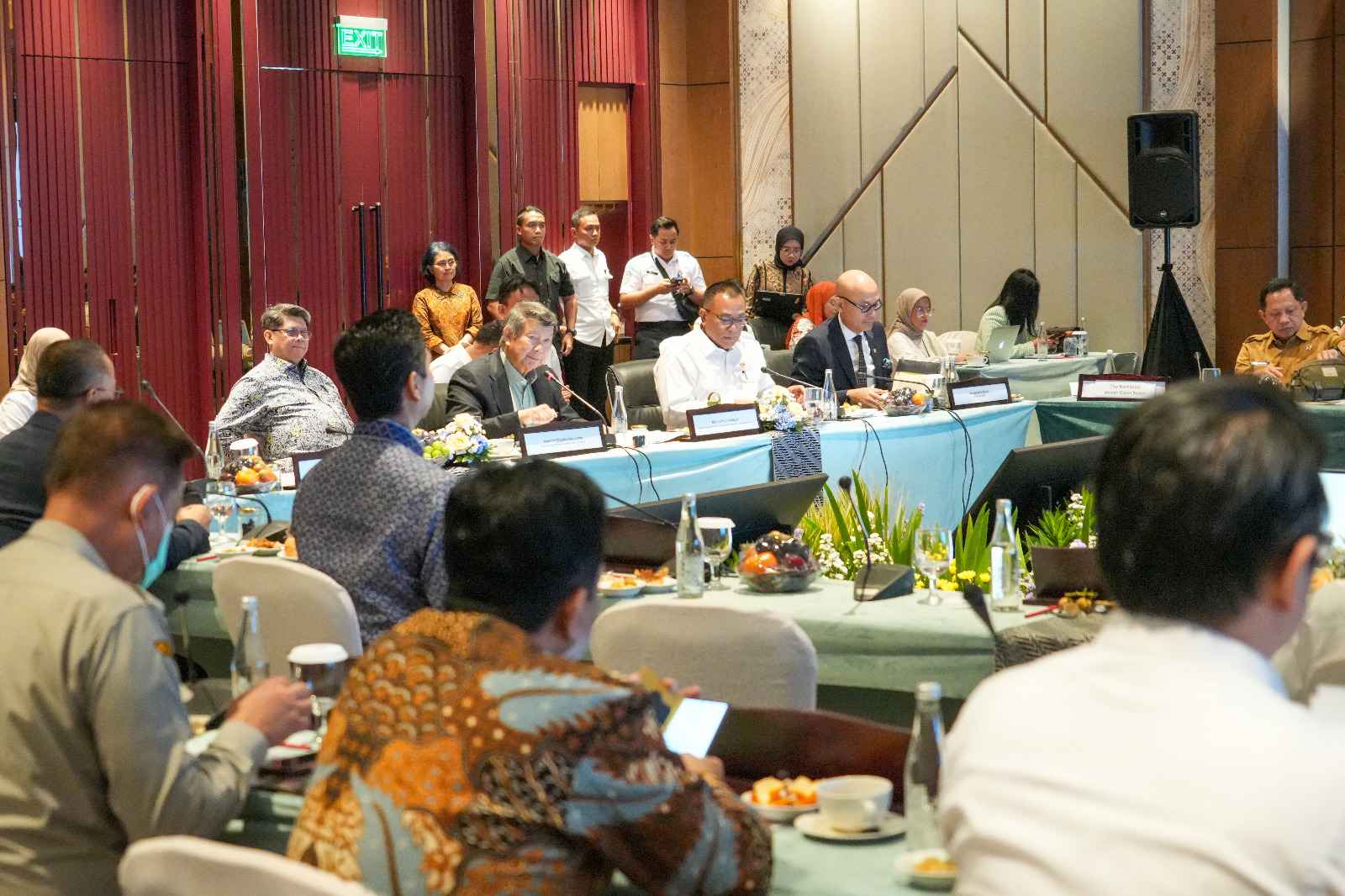
The Ministry of Environment and the Environmental Control Agency (KLH/BPLH) supported the West Sumatra provincial administration in preparing environmental management scenarios during a forum in Padang on Oct. 8, 2026. The initiative is a key step toward establishing the province’s Environmental Protection and Management Plan (RPPLH) through a regional regulation.
The plan is mandated by Government Regulation No. 26/2025 on Environmental Protection and Management Planning and Environment Ministerial Regulation No. 27/2025. It is intended to guide environmental policies for the next three decades while ensuring development takes account of the environment’s capacity to support human activities.
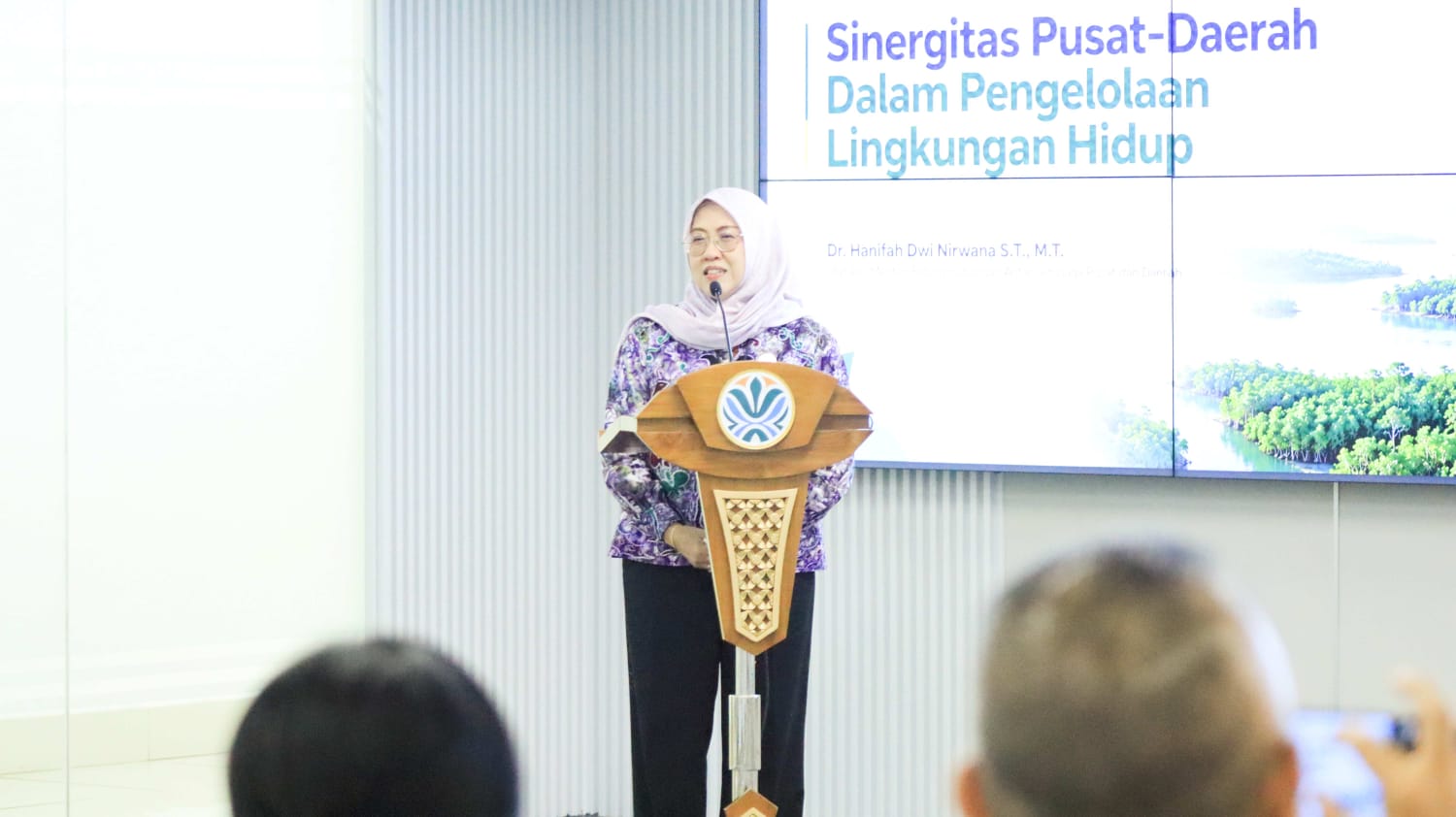
Hariani Samal, director of Sustainable Natural Resources Management at KLH/BPLH, said the plan should serve as a central reference for regional development decisions rather than merely a planning document.
“The RPPLH must bridge the region’s ecological conditions with economic policy directions, ensuring that growth preserves environmental functions,” Hariani said.
She stressed the importance of reliable environmental data, including ecoregion characteristics, environmental carrying capacity, ecosystem services, biodiversity and environmental risk maps.
These elements will be integrated through the Ecoregion Reference Code to help ensure that development policies and priority locations reflect conditions on the ground. The plan is also expected to align with regional long-term and medium-term development plans, spatial planning documents and local budget allocations.
West Sumatra’s varied landscape makes long-term environmental planning particularly important. The province encompasses the Bukit Barisan mountain range, river basins, agricultural areas, urban centres, coastal zones and the Mentawai Islands, each facing distinct ecological pressures and environmental challenges.
During the forum, the provincial government presented four possible future scenarios: moderate, optimistic, pessimistic and transformative. The scenarios were developed around two main drivers: the transition toward green, blue, circular and low-carbon economies, and projections of climate change and regional resilience.
The process also drew scientific support from the Environmental Studies Center at Andalas University and academics, alongside provincial agencies responsible for development planning, disaster management, forestry, water resources, spatial planning, agriculture, plantations, marine affairs, fisheries, and energy and mineral resources.
National agencies and technical institutions, including Statistics Indonesia, the Meteorology, Climatology and Geophysics Agency, and the Sumatra V River Basin Organization, also participated.
KLH/BPLH welcomed the provincial government’s commitment to developing concrete and measurable policies through cross-sector collaboration. The initiative is expected to help align economic growth and public welfare with long-term environmental protection for future generations. (*)