

Enviro News Asia, Cibinong — Indonesia’s National Research and Innovation Agency (BRIN) is calling for closer integration of traditional knowledge and modern science to strengthen biodiversity conservation, protect ecosystems and support sustainable livelihoods.
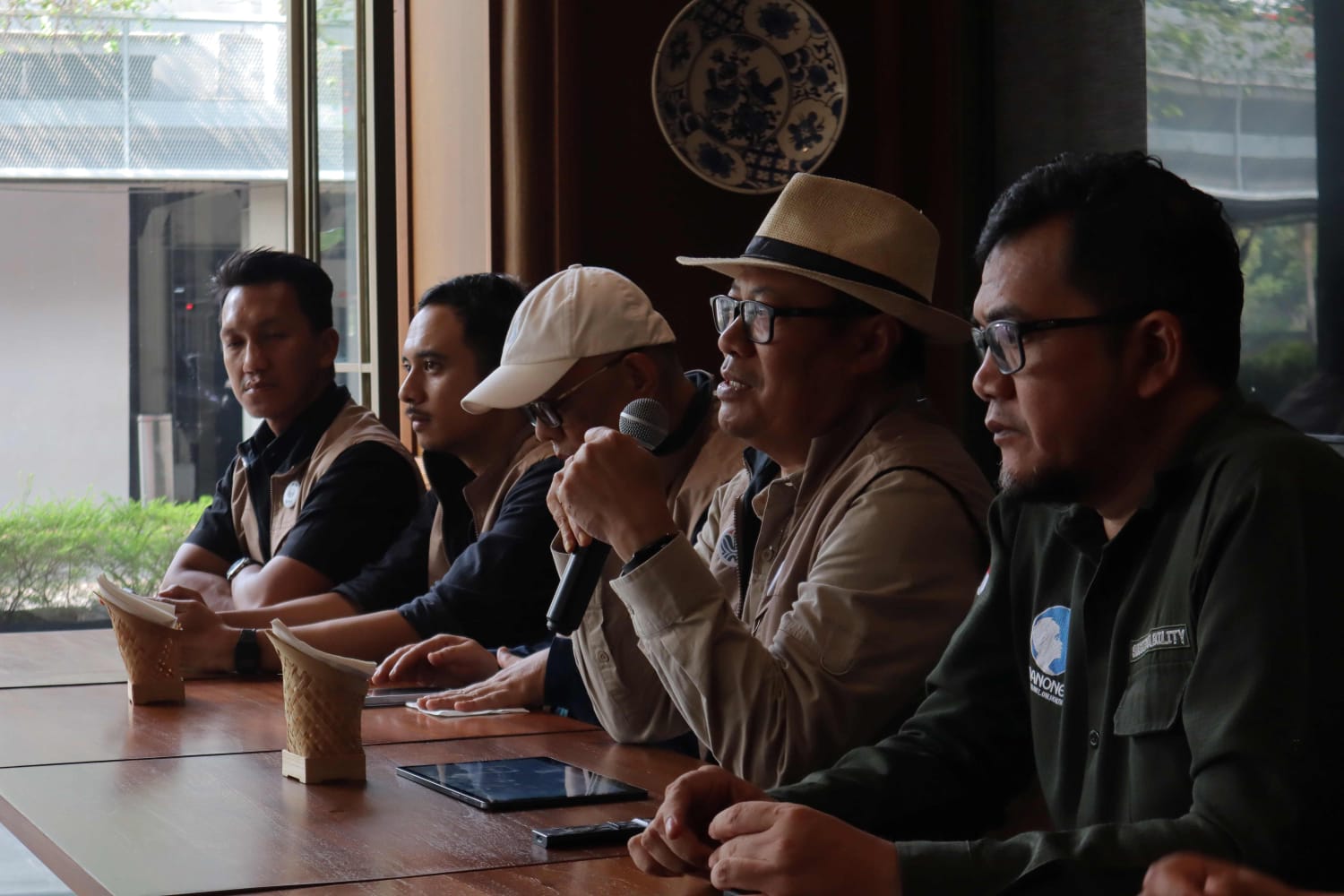
Asep Hidayat, head of BRIN’s Ecology Research Center, highlighted the importance of combining local knowledge with scientific research during the Professor Talk-5 webinar on October 16, 2026. The event, titled “Sharing Experiences in the Long Journey of Ethnobiology and Biosphere Reserve Development in Indonesia,” examined how community knowledge can contribute to conservation and sustainable development.
“Ethnobiology must serve as a bridge between local knowledge and modern science to support biodiversity conservation,” Hidayat said.
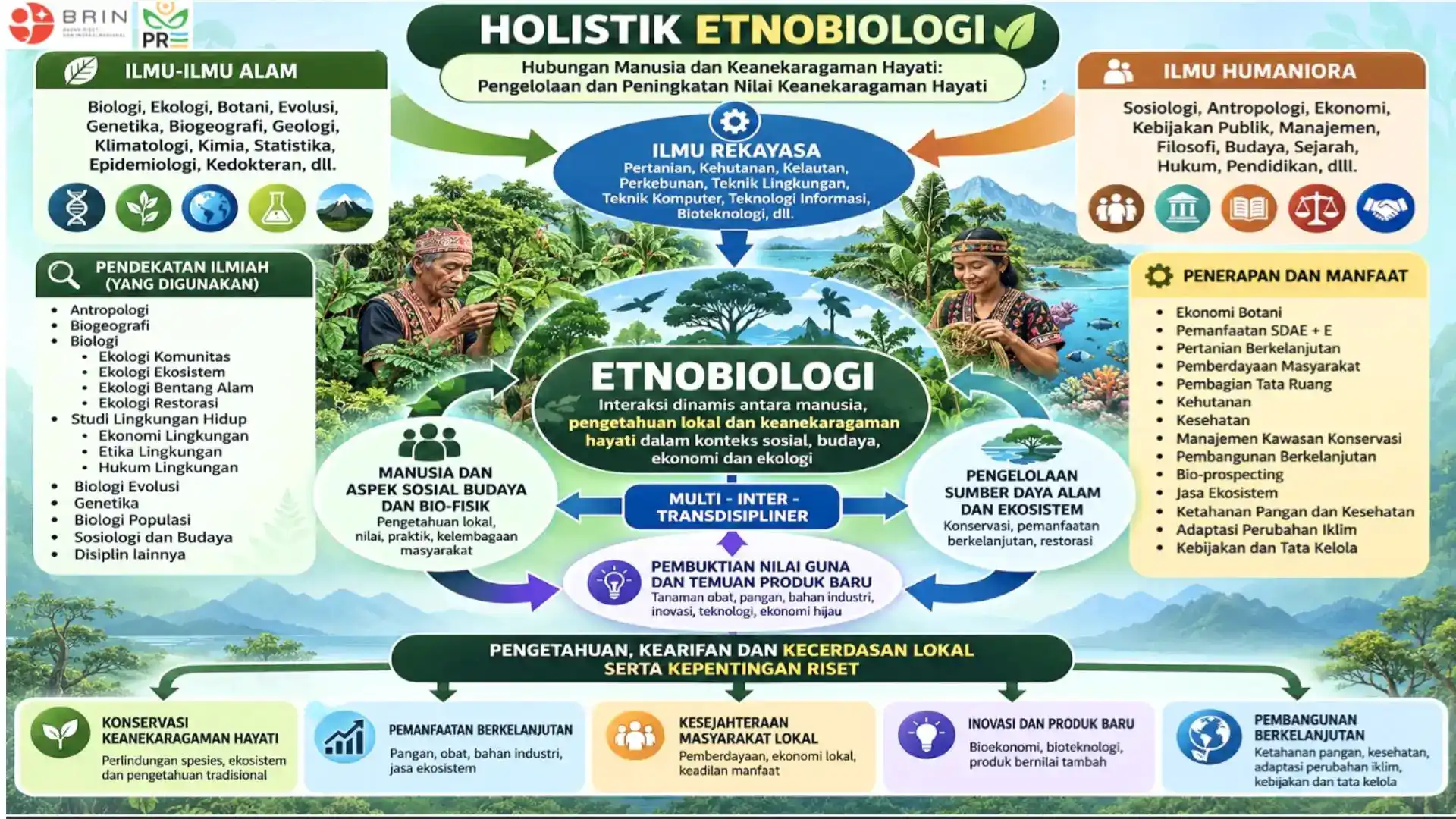
Ethnobiology studies the relationships between people and biodiversity within social and cultural contexts, including how communities identify, use, manage and pass down knowledge about natural resources.
Professor Y. Purwanto, a senior researcher at BRIN’s Ecology Research Center, illustrated the value of this approach through his research on traditional farming systems among the Dani people in Wamena, Papua, in 1990. Sweet potato cultivation, he explained, reflected not only food production practices but also local knowledge and the ability to adapt to environmental conditions.
Ethnobiology brings together biology, ecology, anthropology, economics and other social sciences. This interdisciplinary approach can help researchers identify plants important to local communities, understand resource-use practices and assess the ecological, economic and cultural values of biodiversity.
However, traditional knowledge faces growing risks from social change, modernisation, declining traditional practices and habitat loss. These pressures can disrupt the transmission of knowledge between generations.
Purwanto stressed the need for systematic documentation and research that respects community rights and cultural sensitivities while ensuring fair benefit-sharing.
One model for integrating conservation with community development is the biosphere reserve under UNESCO’s Man and the Biosphere programme. Purwanto said these reserves go beyond protecting designated areas by combining biodiversity conservation with sustainable socioeconomic development, research, education and environmental monitoring.
Indonesia has 21 biosphere reserves recognised within UNESCO’s World Network of Biosphere Reserves, according to Purwanto. They include Cibodas, Komodo, Tanjung Puting, Lore Lindu, Siberut, Gunung Leuser, Giam Siak Kecil-Bukit Batu, Wakatobi, Bromo Tengger Semeru-Arjuno, Taka Bonerate-Kepulauan Selayar, Blambangan, Betung Kerihun-Danau Sentarum-Kapuas Hulu, Raja Ampat, Rinjani Lombok, Saleh Moyo Satonda, Togean Tojo Una-Una, Bunaken Tangkoko Minahasa, Karimunjawa-Jepara-Muria, Merapi Merbabu Menoreh, Bantimurung Bulusaraung-Ma’rupanne and Berbak-Sembilang.
These sites represent diverse ecosystems across the archipelago, including tropical rainforests, peatlands, mountains, karst landscapes, wetlands, small islands and coastal and marine environments.
BRIN can support their management through biodiversity research, documentation of traditional knowledge, monitoring systems and scientific evidence for policymaking. Integrating biodiversity data with social, cultural and ecosystem information can help managers track environmental changes and establish conservation priorities.
Digital technologies and geospatial information systems can strengthen monitoring, but Purwanto said these tools should complement the knowledge of communities familiar with local environmental conditions.
Research findings could also support sustainable bioeconomy initiatives, including products derived from biological resources, environmentally friendly agriculture and tourism that promotes education and conservation.
Such initiatives, he said, must respect ecosystem capacity, community rights and fair benefit-sharing. Local knowledge should be recognised as a living and evolving system, while scientific findings must be translated into practical action and policy.
The webinar concluded with moderator Professor Made Hesti Lestari Tata highlighting the importance of exploring and integrating the diverse traditional knowledge found across Indonesia into conservation efforts. (*)