

Enviro News Asia, Jakarta — Indonesia is seeking to ensure that carbon trading and environmental restoration deliver tangible economic benefits to local communities and regional governments, as the country positions its green economy as a source of sustainable growth.
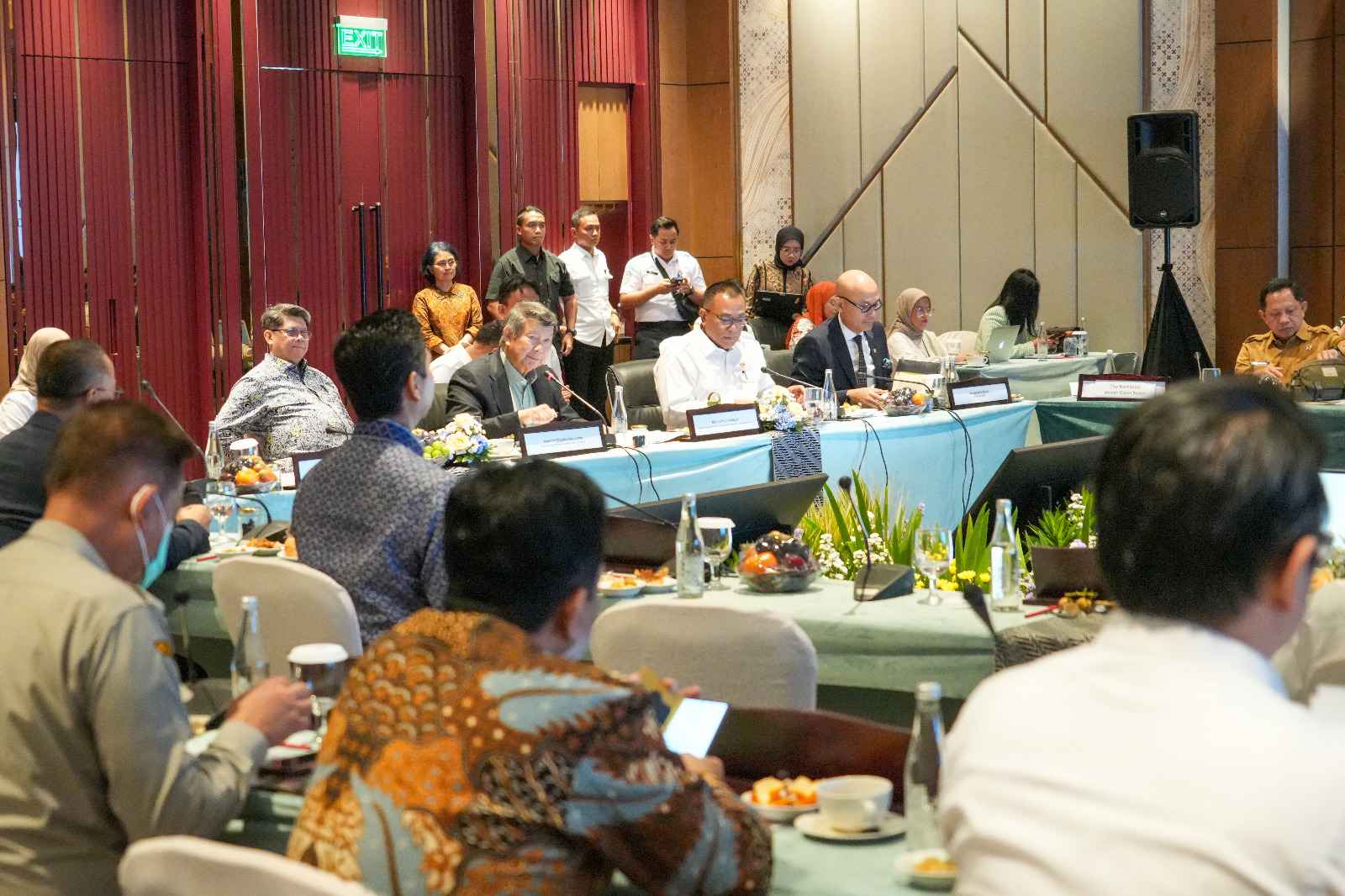
Environment Minister and head of the Environmental Control Agency (KLH/BPLH) Moh Jumhur Hidayat outlined the policy direction when opening a technical guidance session on carbon economic value governance in Jakarta on Tuesday, Oct. 13, 2026, attended by regional leaders from Sumatra and Java.
Jumhur said environmental protection was increasingly being treated as a strategic economic sector rather than merely a publicly funded social activity. He stressed that the transition to a green economy must benefit communities on the ground, not only companies developing carbon projects.
He said the global adoption of the polluter-pays principle had created opportunities for Indonesia to generate revenue through emissions reductions and ecosystem restoration, including projects that produce carbon credits.
Mangrove restoration, he said, illustrated the potential. Based on the estimates presented by the minister, managing one hectare of mangroves could require an investment of around Rp400 million, covering seedlings and labour for three to four years. The same area could absorb up to 3,000 tonnes of carbon dioxide equivalent.
At an assumed carbon offset price of US$50 to US$60 per tonne, the resulting emissions-reduction certificates could have a potential value of up to US$150,000, or more than Rp2 billion, Jumhur said.
He described ecosystem restoration as an economic activity capable of combining environmental recovery with financial returns for regional communities. The figures, however, represent estimates and depend on project performance and carbon market conditions.
Waste management is another area the government wants to develop as part of its low-carbon economic strategy. KLH/BPLH is targeting the complete elimination of open dumping at final waste disposal sites by the end of 2027, while encouraging regional governments in Sumatra and Java to work with regionally owned enterprises and local businesses.
The ministry is also promoting the capture of methane from waste facilities. Capturing the greenhouse gas could reduce pollution while producing alternative energy, including fuels that can substitute for liquefied petroleum gas and compressed natural gas. Verified emissions reductions could also generate carbon certificates with economic value.
Jumhur said the government was committed to developing an accountable and equitable carbon economy through a high-integrity carbon market. A key measure of market integrity, he said, would be how much revenue and social benefit reaches local communities.
The government is preparing practical guidance on carbon trading and strengthening the National Registration System through its Carbon Unit (SRUK) to support transparent governance.
Jumhur said that ensuring communities received a fair share of the benefits would strengthen the credibility of Indonesia’s carbon market and improve the country’s position in international carbon trading. (*)