

Enviro News Asia, Jakarta — Indonesia recorded 808 high-confidence forest and land fire hotspots on Oct. 21, a daily increase of 190, prompting the Forestry Ministry to intensify ground and aerial firefighting operations, particularly in Central Kalimantan and South Sumatra.
Data from the ministry’s SiPongi monitoring system showed that hotspots across six priority provinces rose from 172 to 446 in the 24 hours to 9 p.m. on Wednesday.
Central Kalimantan recorded 198 hotspots, up from 84, while South Sumatra registered 131, compared with 24 a day earlier. West Kalimantan reported 38, up from 11, and Jambi recorded 27, compared with one. South Kalimantan remained at 52, while Riau reported no high-confidence hotspots.
The ministry cautioned that hotspots indicate surface-temperature anomalies detected by NASA Terra/Aqua, Suomi NPP and NOAA-20 satellites. A single fire can generate multiple hotspot detections, meaning the figures do not directly represent the number of fires or the total area burned. Field inspections are needed to verify the indications.
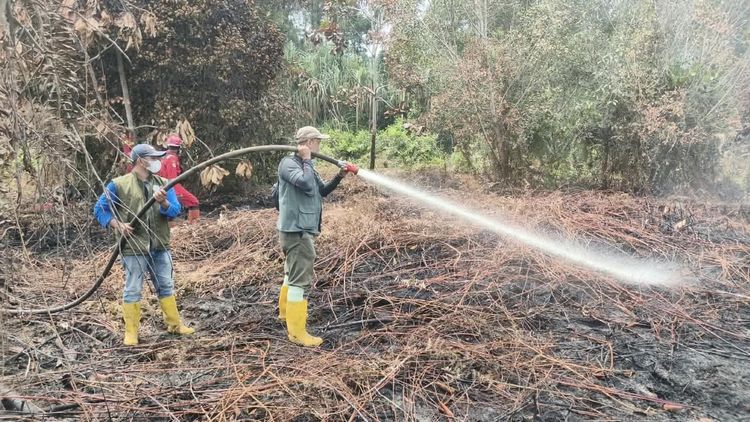
Firefighting operations have been stepped up in several affected areas. In Central Kalimantan, teams continued tackling surface and underground fires in peatlands in South Barito and Pulang Pisau, where embers remained active beneath the ground.
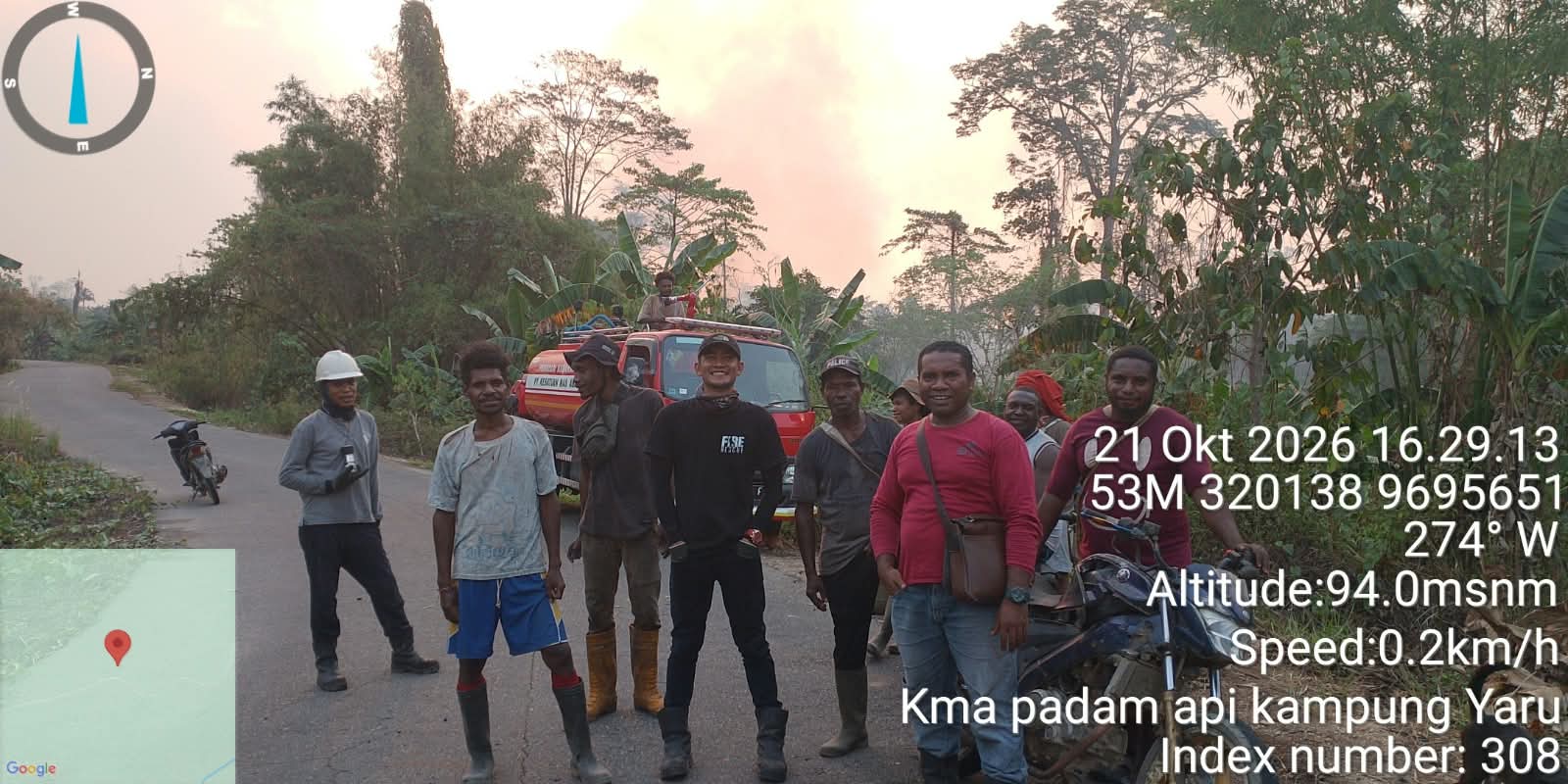
In South Sumatra, Manggala Agni forest-fire teams and supporting personnel conducted operations in Musi Banyuasin, Muara Enim, Penukal Abab Lematang Ilir, Ogan Komering Ilir and Ogan Ilir regencies. Some fires involved underground peat combustion requiring continued suppression.
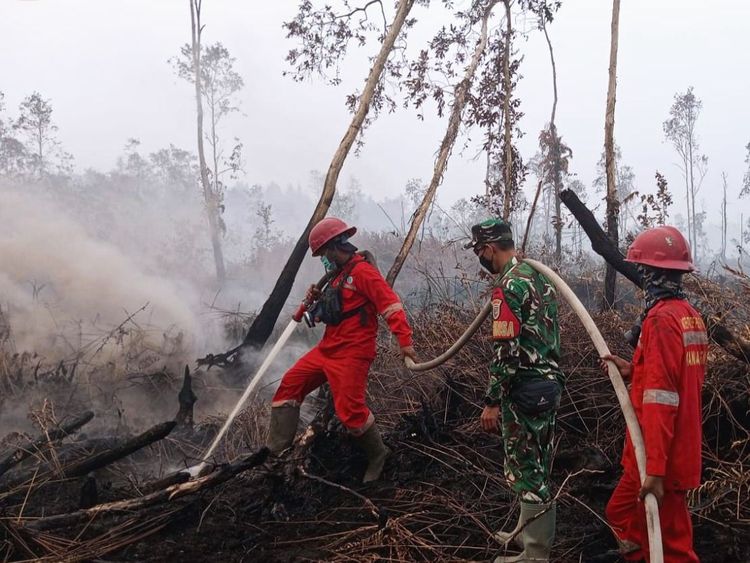
Firefighters also continued operations in Padang Sugihan Wildlife Reserve, where teams confronted thick smoke and active flames and worked to prevent fires from spreading further into the conservation area.
In Jambi, teams carried out further suppression operations in Sarolangun, Batang Hari and East Tanjung Jabung regencies, including on peat and semi-peat land. Fires in parts of South Kalimantan’s Tanah Bumbu and Kotabaru regencies had been extinguished, although patrols continued amid the province’s remaining hotspot count.
The government has placed 49 aircraft on standby for aerial operations, including 32 for water bombing and 17 for aerial patrols and weather modification. The Forestry Ministry is coordinating with the National Disaster Mitigation Agency (BNPB), the Indonesian Military and the Meteorology, Climatology and Geophysics Agency (BMKG) to support operations, including the use of dry ice in weather modification when atmospheric conditions permit.
Aerial efforts are being conducted alongside ground patrols, hotspot verification, direct firefighting, firebreak operations, wetting, ember searches and cooling. Authorities said flight safety, weather, visibility, water availability and operational requirements determine how aerial resources can be deployed.
Peatland fires remain particularly challenging because combustion can continue underground even after surface flames disappear. Teams therefore continue wetting and cooling affected areas to prevent fires from reigniting.
The ministry is also intensifying enforcement against parties responsible for fires. On Wednesday, Forestry Minister Raja Juli Antoni announced the suspension of permits, accompanied by compulsory forest ecosystem restoration measures, for six companies in Central Kalimantan. The move brought the total number of companies facing administrative sanctions over forest and land fires to 32.
The six companies are PT Hasil Kalimantan Jaya, PT Taiyoung Enggreen, PT Hutan Produksi Lestari, PT Ramang Agro Lestari, PT Puspa Warna Cemerlang and PT Sinergi Hutan Sejati.
Raja Juli said approximately 120 fire-related cases were being processed by the ministry. Coordination with the National Police is continuing, and criminal proceedings remain possible where evidence meets legal requirements.
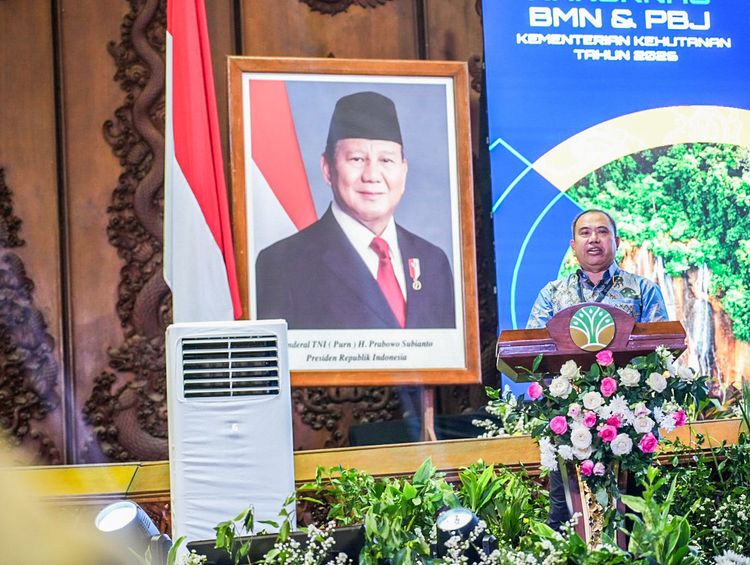
The enforcement drive follows President Prabowo Subianto’s call for investigations into suspected involvement by individuals and corporations. The ministry said fire management must address both immediate threats and the accountability of those found to have violated the law.
Air quality is another concern. PM2.5 monitoring indicated that conditions across much of Indonesia remained good to moderate, but some areas of Sumatra and Kalimantan experienced unhealthy to very unhealthy pollution levels, with locally hazardous conditions.
Residents in affected areas have been advised to reduce outdoor activities and wear masks when going outside. Children, pregnant women, older people and those with respiratory conditions or chronic illnesses are particularly urged to take precautions.
The ministry also reminded communities and businesses not to clear land by burning and urged anyone who detects smoke, flames or burning activities to report them promptly. (*)