

Enviro News Asia, Jakarta — Environmental law expert Sadino has stressed the importance of preparing for revisions to regulations permitting land clearing through burning, including aligning existing laws and providing support for local communities. His views follow President Prabowo Subianto’s call to review rules that allow land burning on plots of up to two hectares.
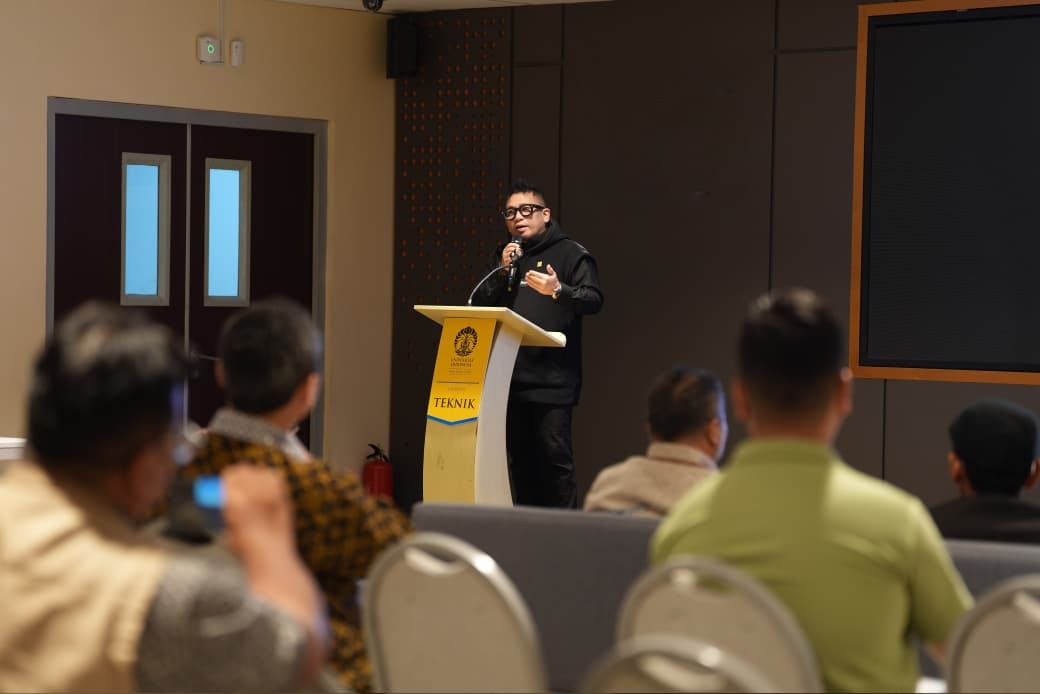
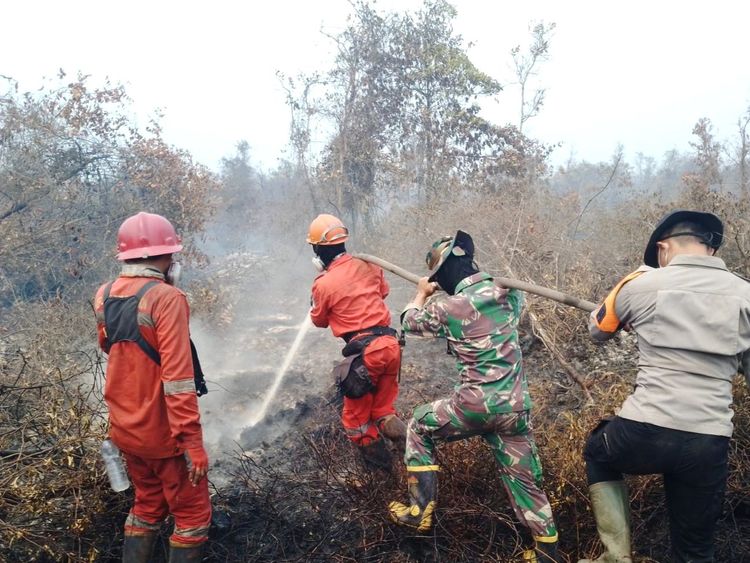
During a dialogue with academics on peatland management and forest and land fire prevention, Prabowo highlighted regional regulations that still permit land clearing through burning. The President questioned how fires could be controlled if they spread beyond the areas where burning was initially permitted.
Prabowo noted that several district-level regulations still allow land burning on plots of up to two hectares. He warned that such provisions could create loopholes and complicate fire control if flames spread to surrounding areas.
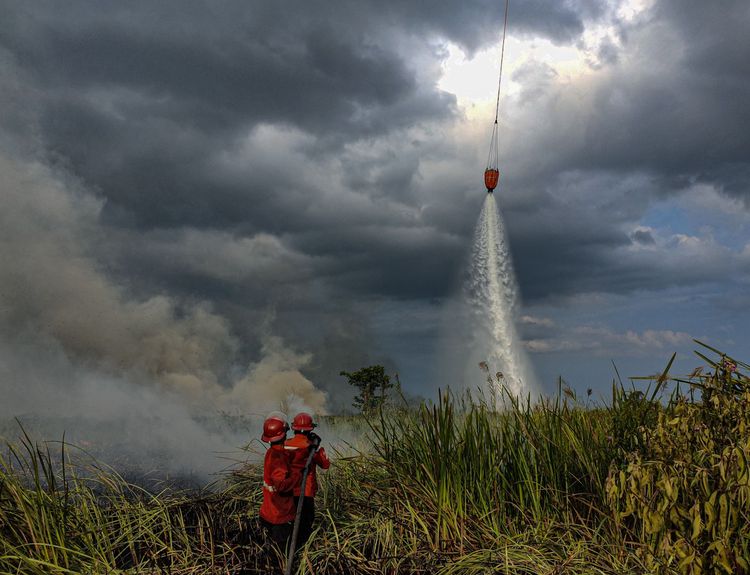
Sadino called for revisions to land-clearing regulations to strengthen forest and land fire prevention, supported by regulatory alignment, assistance for local communities and objective law enforcement.
He said the review should cover provisions under Law No. 32 of 2009 on Environmental Protection and Management, along with its implementing regulations, to ensure that forest and land fire control policies are applied consistently.
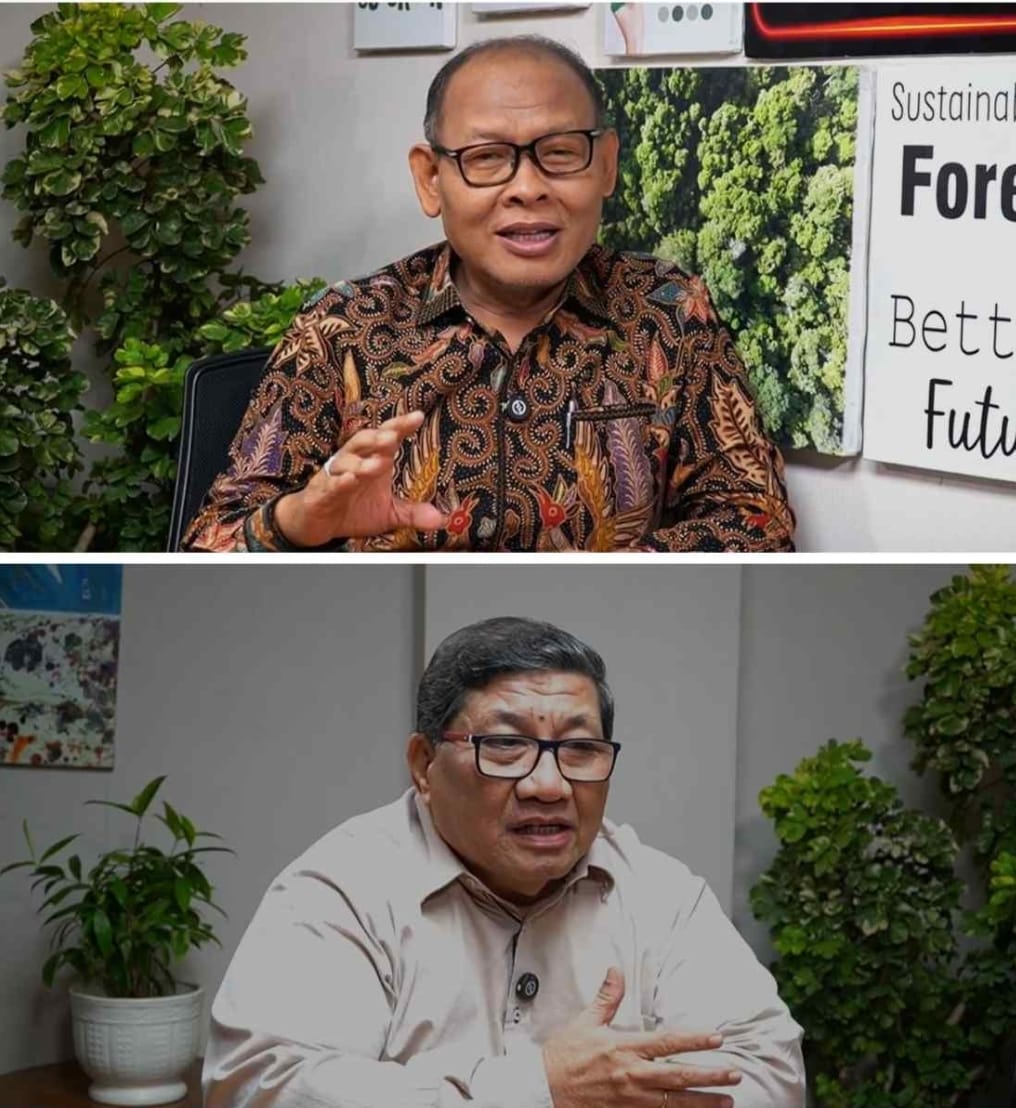
“If the regulations are updated, the existing rules must also be adjusted,” Sadino said in the Forest Insights Indonesia podcast titled “Will Land-Burning Rules Be Changed? What the Government Needs to Prepare,” published in October 17.
Sadino argued that regulatory changes should be preceded by comprehensive assessments that take into account implementation challenges on the ground. Inconsistencies between legislation and implementing regulations, he said, could undermine monitoring and law enforcement.
He also emphasized the need for clear policies governing any exceptions to the prohibition on land clearing through burning. If exceptions remain in place, the requirements and procedures must be clearly defined and accompanied by stronger enforcement.
Regulatory reform, he added, must be supported by adequate budget allocations for prevention, community assistance and stronger coordination at the local level. Helping communities manage land without burning should be an integral part of forest and land fire control planning.
Sadino said the government also needed to clarify which parties would be responsible for coordinating efforts and mobilizing resources to ensure more effective fire management in the field.
Regarding law enforcement, Sadino stressed the importance of investigations based on facts and evidence to establish the source and cause of fires, including the possibility that flames had spread from other locations.
“I urge law enforcement authorities to act more objectively,” he said.
According to Sadino, companies can also be affected by fires. Therefore, the determination of liability should take into account the causes of the fires and each party’s obligations under applicable laws and regulations.
Meanwhile, Erwansyah, Vice Chairman for Legal Affairs, Public Relations and Cooperation at the Indonesian Forestry Entrepreneurs Association (APHI), supported efforts to improve regulations on land clearing through burning, provided that practical alternatives were made available to local communities.
“Land clearing without burning requires technological support, including the use of machinery,” Erwansyah said.
He explained that the government should facilitate access to no-burn land-clearing technologies for small-scale farmers living near forest areas. Such assistance could follow a model similar to the provision of agricultural equipment to rice farmers, adapted to the needs of local communities.
Companies holding Forest Utilization Business Permits (PBPH), Erwansyah said, could contribute through mentoring, skills training and the development of community-based economic activities. Partnerships could also be strengthened by purchasing locally produced goods to ensure that such support delivers sustainable benefits.
Erwansyah also proposed that regulations clearly define the respective roles of central and regional governments, businesses and communities in preventing and controlling forest and land fires.
“Every role carries its own responsibilities,” he said.
He reaffirmed the commitment of PBPH permit holders to implement land clearing without burning and to provide the facilities, infrastructure and personnel needed for fire prevention and control.
According to Erwansyah, these efforts require effective coordination among all stakeholders. Investigations into fire incidents should also trace the source of ignition and consider the prevention and control measures undertaken by each party.
Regulatory reform supported by technology, community assistance and stronger coordination at the local level is expected to strengthen forest and land fire prevention. Such an approach would help ensure that environmental protection, legal certainty and sustainable community livelihoods can advance together. (*)