

Enviro News Asia, Cibinong — Indonesia’s National Research and Innovation Agency (BRIN) and the Nusantara Nature Conservation Foundation (YKAN) are strengthening their cooperation on peatland restoration in West Kalimantan to reduce greenhouse gas emissions, prevent fires and improve livelihoods in surrounding communities.
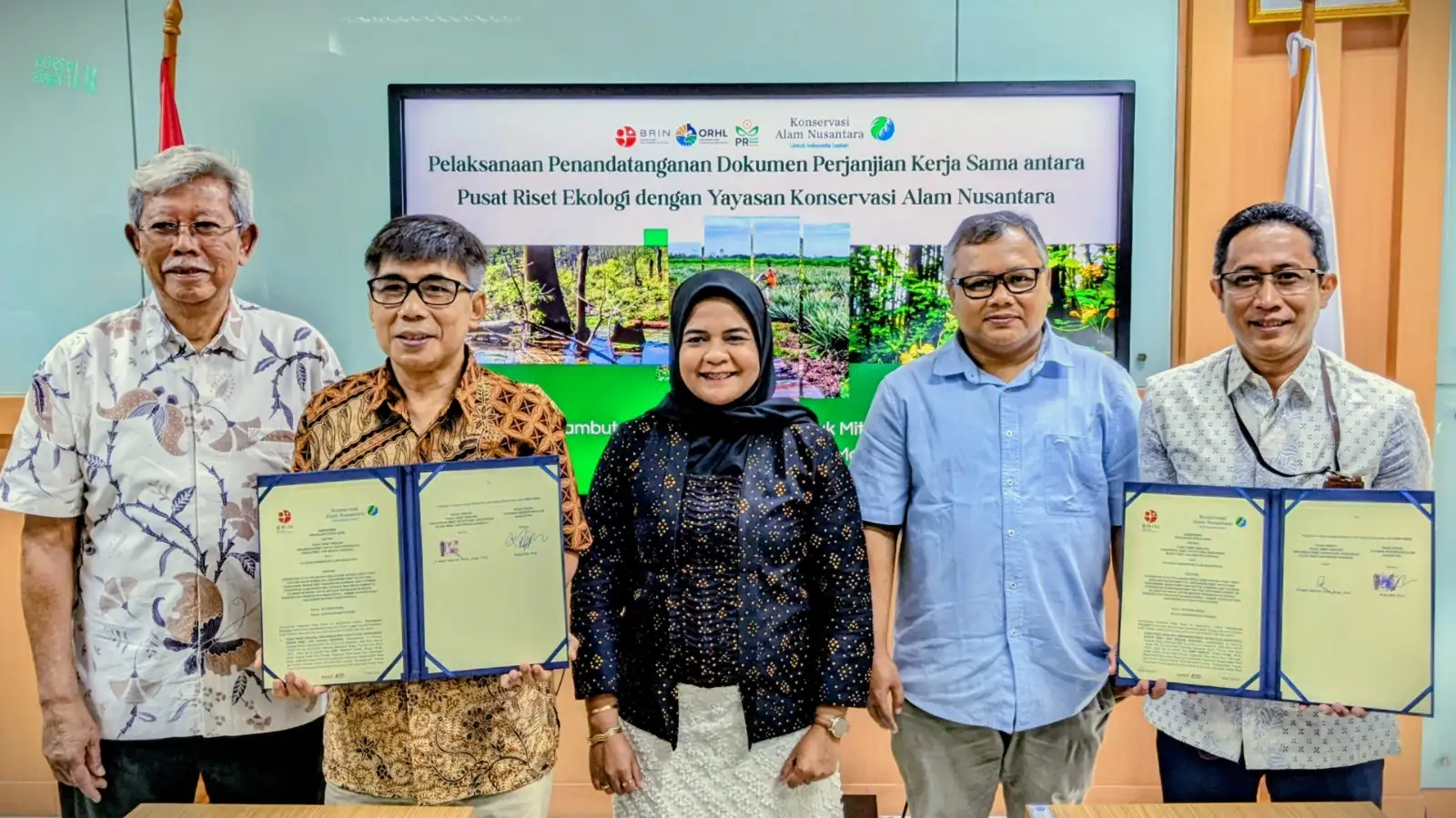
The collaboration was formalized through an amendment to their cooperation agreement, signed on Oct. 29 at the Soekarno Science and Technology Area in Cibinong. The agreement involves BRIN’s Center for Ecology Research, under its Research Organization for Life Sciences and Environment, and YKAN. The partnership, which began in 2023, is expected to continue through 2029.
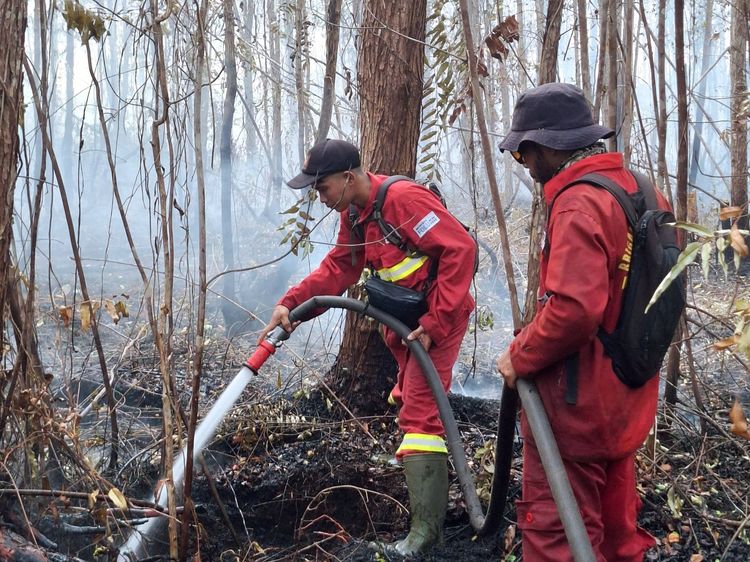
The cooperation covers research on emissions reduction, fire prevention and control, peatland ecosystem recovery, and improvements to local communities’ socioeconomic conditions. It also includes developing fire monitoring systems, measuring greenhouse gas emissions and managing carbon data using science and technology.
BRIN Center for Ecology Research Head Asep Hidayat said scientific research was essential to ensuring that peatland restoration could recover the ecological functions of areas affected by fires.
He stressed that fire management should not end with extinguishing flames. Researchers must also assess ecosystem conditions, particularly whether peatlands can still perform their hydrological functions and retain water.
Following firefighting operations, he said, scientific evidence is needed to determine the extent of ecosystem damage and guide restoration measures that can effectively restore peatland functions.
YKAN Terrestrial Program Director Ruslandi said peatland ecosystems play a crucial role in carbon storage, water regulation and biodiversity conservation. However, they face growing threats from land degradation, fires and climate change.
He emphasized that peatland conservation requires protecting intact ecosystems while restoring degraded areas. These efforts must also take into account the long-term livelihoods of communities living around peatlands.
BRIN Senior Principal Researcher Wahyu Catur Adinugroho, who oversees the collaboration, said the 2023–2026 partnership had produced several technical and socioeconomic studies.
These included assessments of restoration impacts, infrastructure support, sustainable agricultural practices and scientific publications.
Emissions monitoring is a key component of evaluating restoration outcomes, Wahyu said. Research activities have also examined fire incidents, the benefits of ecosystem recovery and the socioeconomic conditions of local communities.
Through the extended partnership, BRIN and YKAN expect scientific findings to provide a stronger basis for peatland management and restoration in West Kalimantan.
The collaboration is also intended to support climate change mitigation while improving the welfare of communities dependent on surrounding peatland landscapes. (*)