

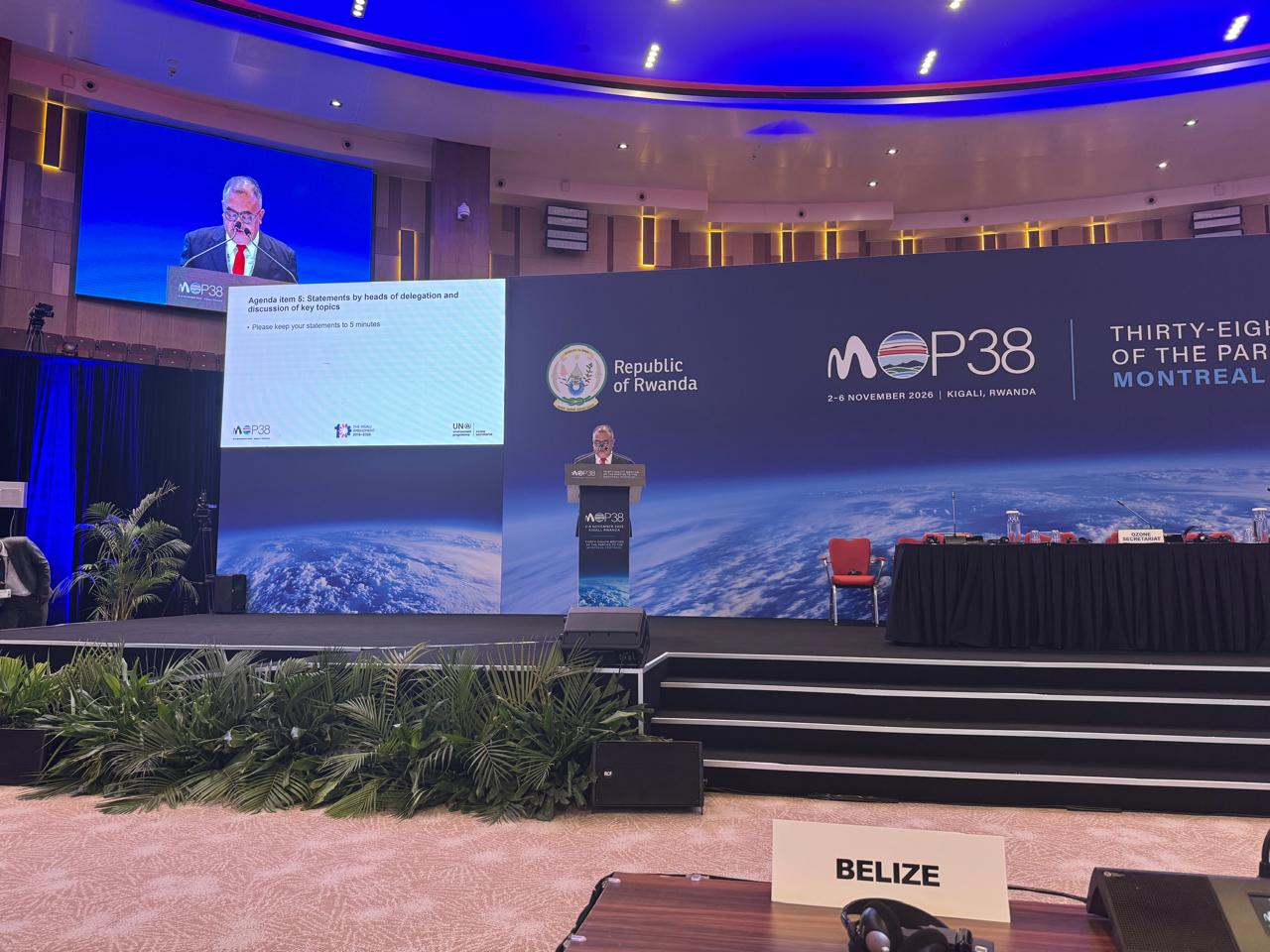
Enviro News Asia, Kigali — Indonesia has reduced its consumption of hydrochlorofluorocarbons (HCFCs) by 72.66 percent, exceeding its 2025 target under the Montreal Protocol, the government reported at an international meeting in Rwanda.
The achievement was presented at the 38th Meeting of the Parties to the Montreal Protocol on Substances that Deplete the Ozone Layer (MOP38), held in Kigali from Nov. 2 to 6, 2026. The meeting also marked the 10th anniversary of the adoption of the Kigali Amendment, which aims to phase down hydrofluorocarbons (HFCs), powerful greenhouse gases with high global warming potential.
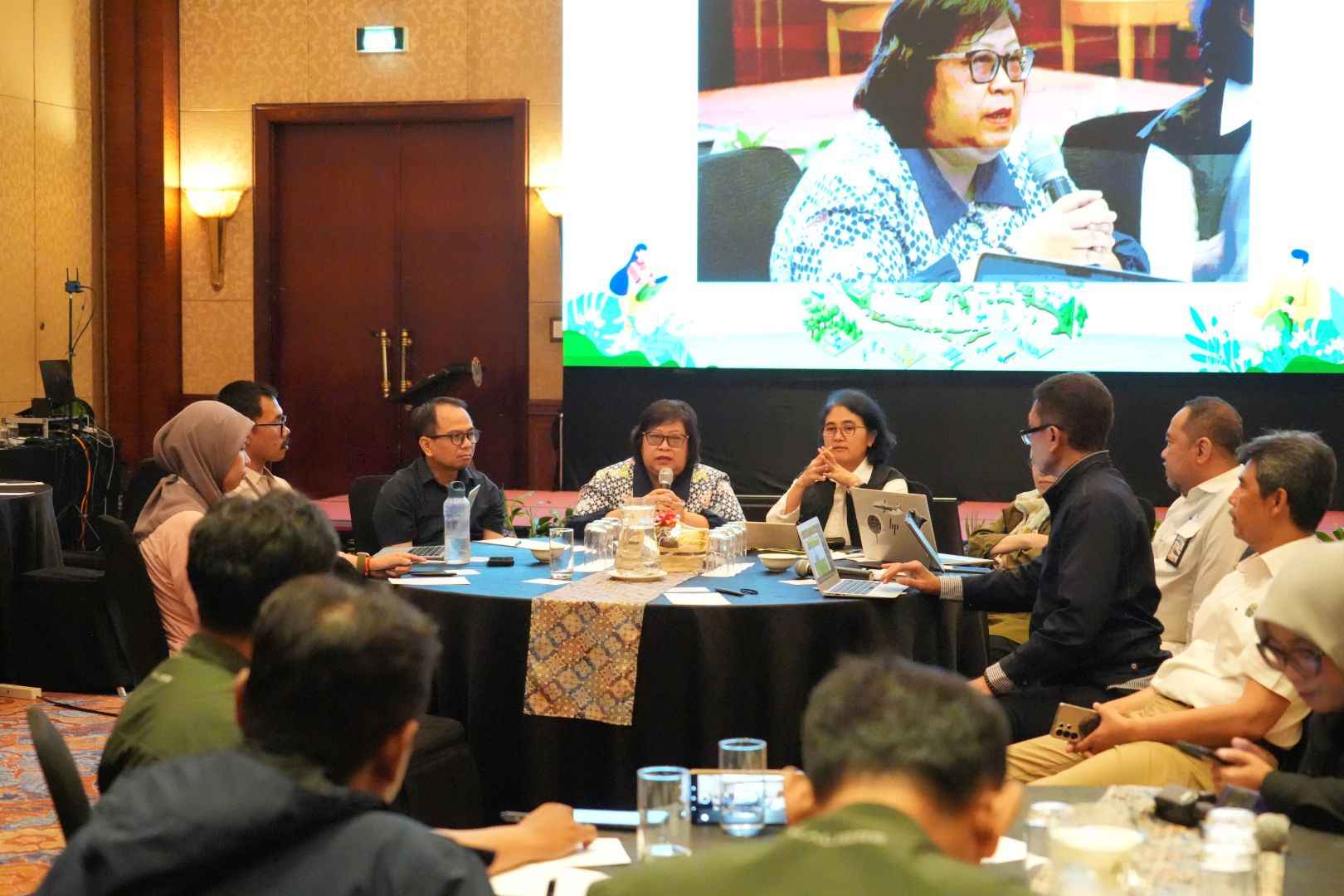
During the high-level segment on Nov. 5–6, Ary Sudijanto, deputy for climate change control and carbon economic value governance at the Environment Ministry and Environmental Control Agency (KLH/BPLH), delivered Indonesia’s statement on behalf of the government.
Ary called for countries to translate international commitments into practical measures, including reducing HFC consumption, expanding access to safe and energy-efficient low-global-warming-potential technologies, and strengthening financial and technical support for developing countries.
Indonesia’s 72.66 percent reduction in HCFC consumption by 2025 surpassed the Montreal Protocol commitment target of 67.5 percent. The government attributed the progress to its HCFC Phase-out Management Plan (HPMP) phases II and III.
The programmes included capacity-building for 945 customs officers responsible for monitoring imports of ozone-depleting substances, as well as training and certification for 4,319 refrigeration and air-conditioning (RAC) technicians and 397 RAC instructors.
Indonesia also secured approval this year for an energy-efficiency project targeting domestic refrigerator manufacturers at the 98th meeting of the Multilateral Fund’s Executive Committee. The project will support the industry’s transition from HFC-134a to R-600a hydrocarbons, which have a substantially lower environmental impact, while improving product efficiency and export competitiveness.
Following its ratification of the Kigali Amendment, Indonesia is preparing to begin reducing HFC consumption by at least 10 percent from its baseline on Jan. 1, 2029. The target is equivalent to 2.3 million tonnes of carbon dioxide equivalent.
The government has also incorporated HFC emission controls into its Second Nationally Determined Contribution as an additional mitigation measure in the industrial processes and product use (IPPU) sector from 2031. The measure is aligned with Indonesia’s National Cooling Action Plan.
At MOP38, Indonesia highlighted the challenges developing countries face in accessing affordable cooling technologies, building technical capacity and strengthening downstream regulations.
As a tropical country with a growing economy, Indonesia considers affordable cooling essential for food security, healthcare services and economic activity. It called for greater international support to ensure developing countries can adopt cleaner cooling technologies without undermining development priorities.
Indonesia also stressed the importance of adequate and predictable replenishment of the Multilateral Fund for the 2027–2029 period, alongside timely disbursement of financial assistance.
Ary said the fund remained central to the Montreal Protocol’s implementation and urged parties to ensure that financial support matched their environmental ambitions.
Indonesia’s participation in MOP38 reflects its continued engagement in global efforts to protect the ozone layer and reduce climate-warming emissions, while calling for a fairer transition that takes the needs of developing countries into account. (*)