

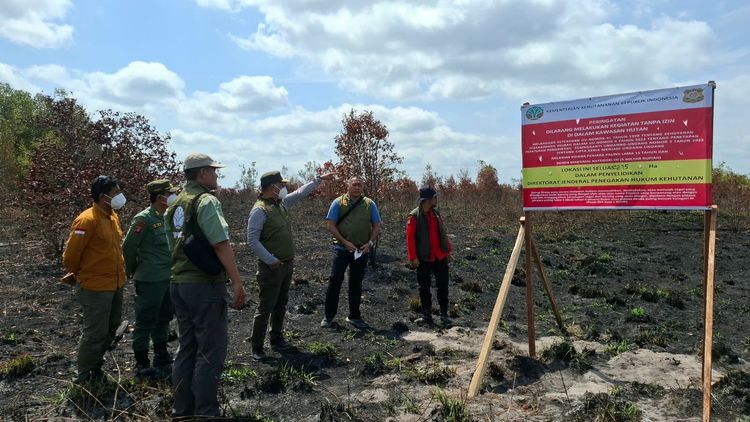
Enviro News Asia, Sukamara — Indonesia’s Forestry Ministry has cleared 11,180 illegally planted oil palm trees from 88 hectares of the Lamandau Wildlife Reserve in Central Kalimantan, following a joint enforcement operation on Nov. 9.
The operation also secured voluntary commitments from 43 individuals to stop using the conservation area illegally. In addition, 28 work huts were dismantled by the people who had been using them.
The operation involved the Forestry Ministry, the Central Kalimantan Natural Resources Conservation Agency (BKSDA), Sukamara regency administration, military and police personnel, prosecutors, forest management authorities, local residents and customary leaders.
Forestry Law Enforcement Director General Dwi Januanto Nugroho said the voluntary withdrawal of illegal activities and support from local communities and customary leaders were important developments. However, he stressed that consistent monitoring was needed to prevent the area from being occupied again.
“The willingness of those involved to voluntarily stop their activities deserves recognition. There is something more significant than the removal of 11,000 oil palm trees: growing awareness of the need to respect the law and protect nature,” Januanto said.
He urged conservation area managers and relevant agencies to maintain oversight, prevent renewed encroachment and accelerate ecosystem recovery. He also warned that officials could face legal accountability if deliberate violations, abuse of authority or unlawful negligence were established.
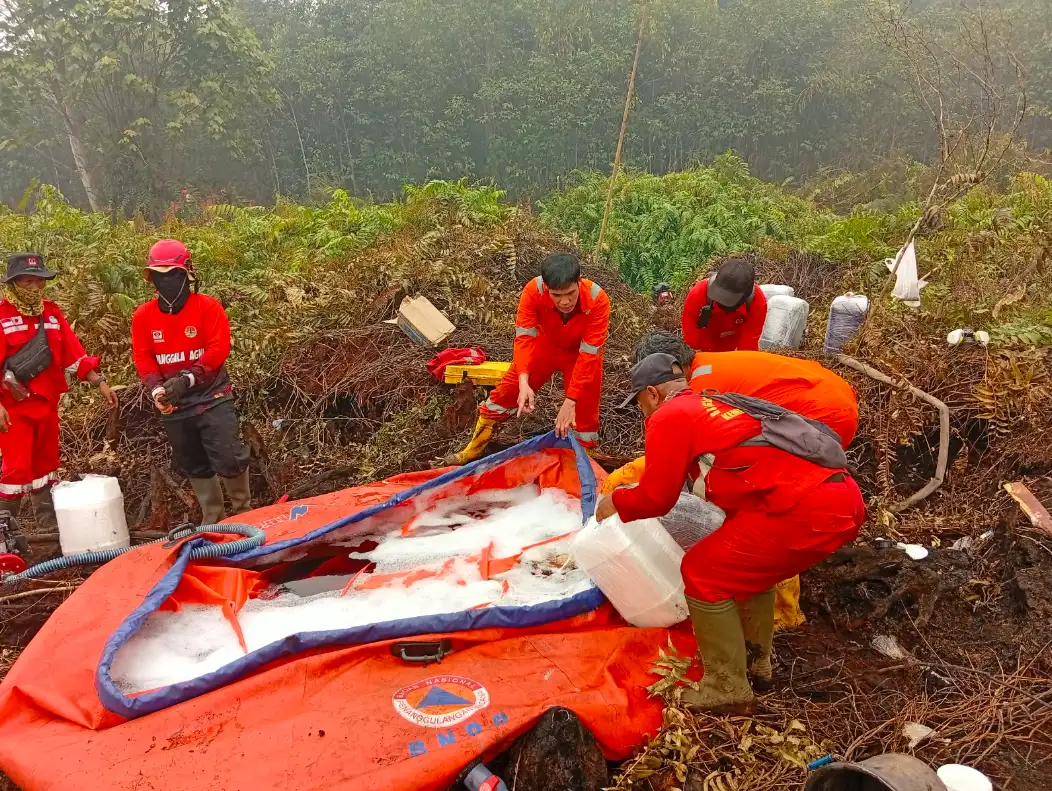
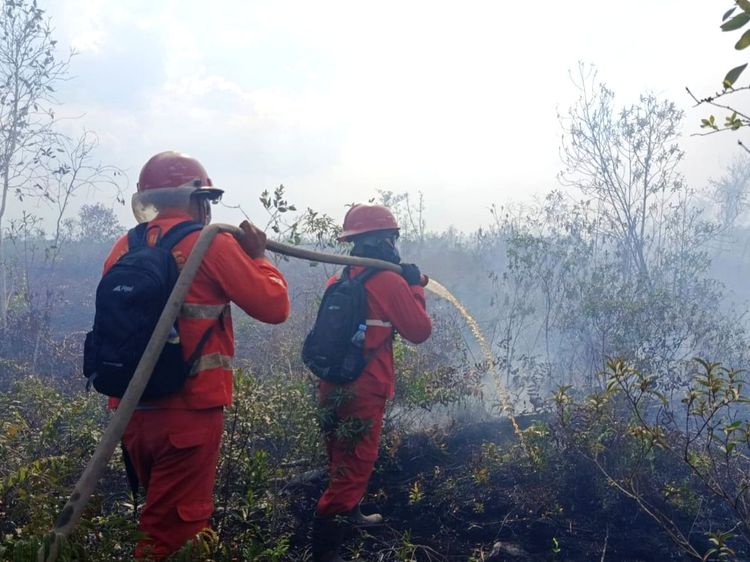
The operation followed an investigation into a forest fire in the wildlife reserve. Forestry civil servant investigators had questioned 43 people suspected of illegally cultivating land in the protected area as part of the case.
Authorities used a persuasive approach, working with residents and Demung, a Dayak customary authority, to encourage the cultivators to leave voluntarily. Local traditions and values, including those associated with the Kaharingan belief system, helped build support for the operation and prevent further conflict.
Rudianto Saragih Napitu, director of forestry criminal enforcement, said illegal plantations had to be removed to prevent further damage to the reserve’s vulnerable peatland ecosystem.
“The forest fire in the Lamandau Wildlife Reserve is a serious concern because its peatland ecosystem is vulnerable to degradation and recurring fires,” he said.
Rudianto added that the ministry was coordinating with the Directorate General of Natural Resources and Ecosystem Conservation to prepare an ecosystem restoration programme. He said enforcement action would be taken against anyone who continued to cultivate land illegally in conservation areas.
The ministry plans to restore the cleared 88-hectare site through revegetation using native plant species. The programme is intended to improve vegetation cover, restore wildlife habitat and rehabilitate the peatland’s hydrological functions.
Post-operation monitoring will be essential to ensure that restoration work is not disrupted by renewed illegal activities.
The Lamandau Wildlife Reserve is an important peatland ecosystem that supports biodiversity and helps regulate water systems in the surrounding landscape. Its protection is also significant for communities that depend on the environmental functions of the area. (*)