Enviro News Asia, Antalya — Countries have been urged to strengthen cross-border cooperation in managing shared water resources as climate change intensifies the global water crisis. Rising temperatures, changing rainfall patterns, droughts and floods are increasing pressure on rivers, lakes and groundwater systems shared by multiple nations, raising concerns over water security, livelihoods and regional stability.
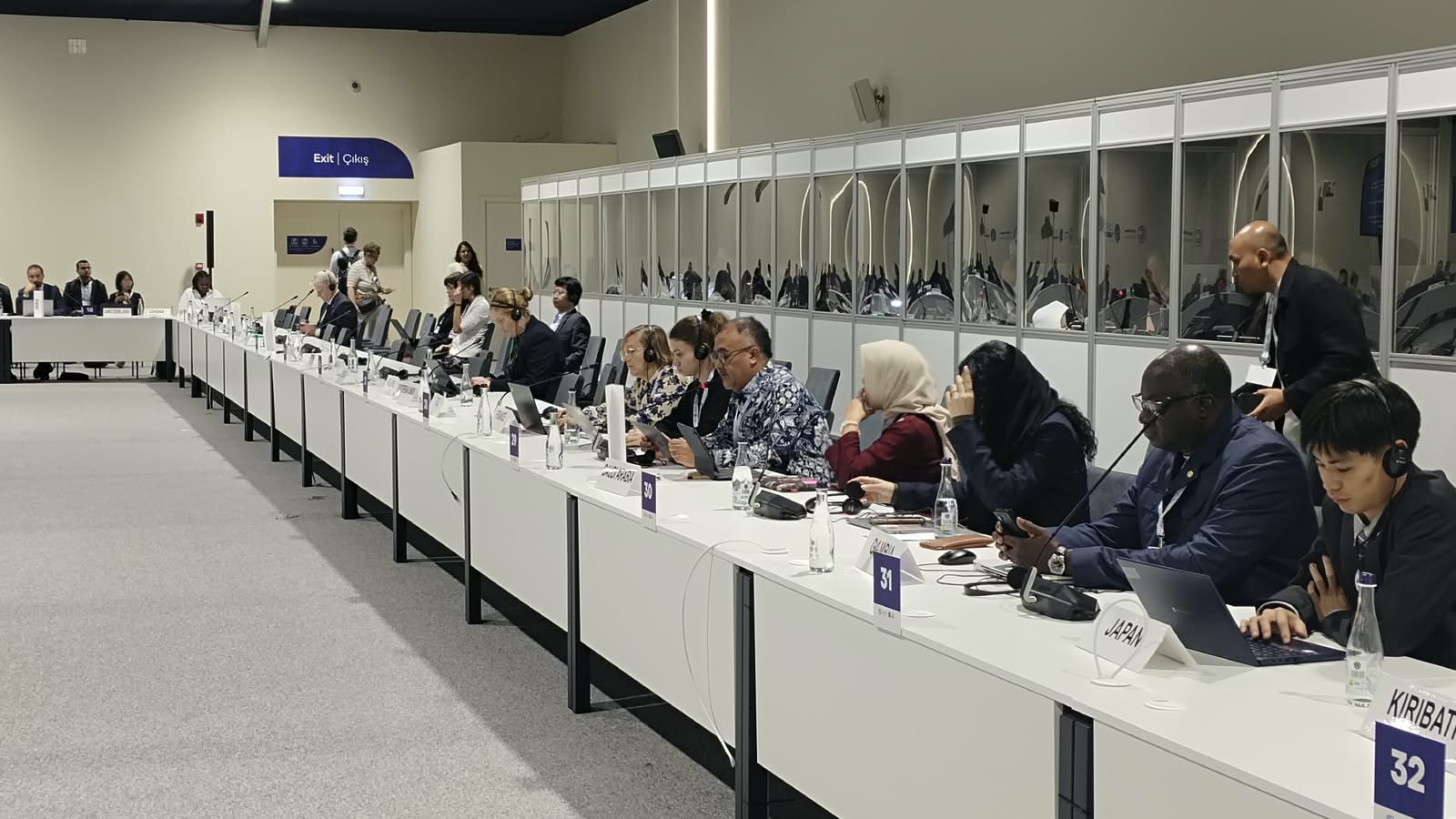
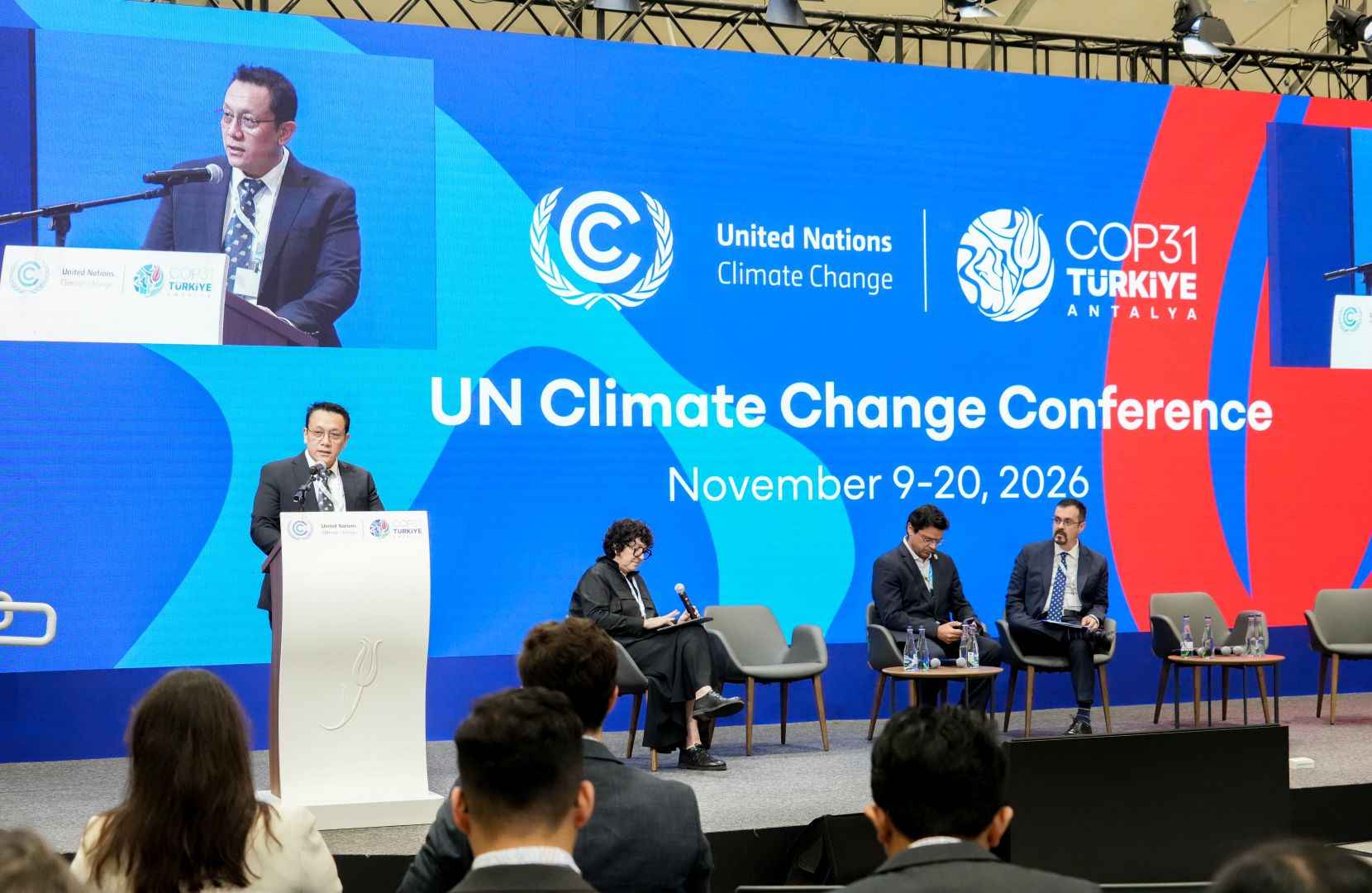
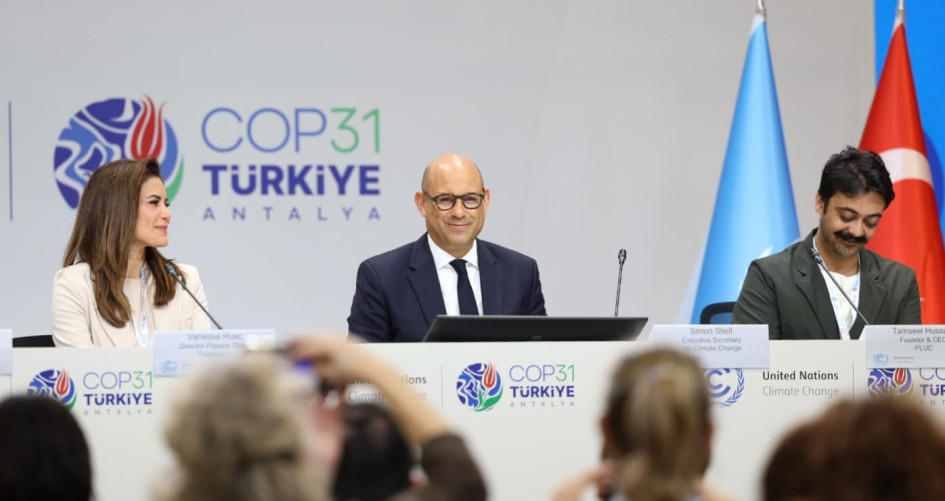
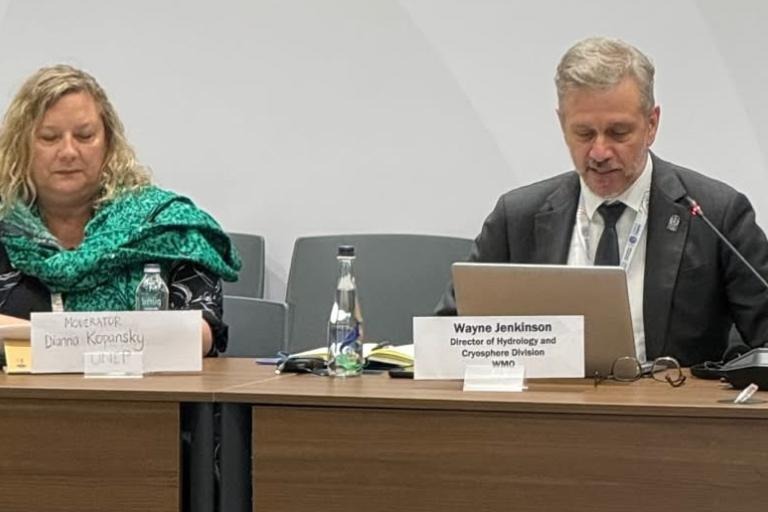
The issue was highlighted at the Baku Dialogue on Water for Climate Action during the 31st United Nations Climate Change Conference (COP31) in Antalya, Türkiye, on Tuesday (Nov. 17, 2026). The COP presidencies of Türkiye, Brazil and Azerbaijan, together with several United Nations partners, led discussions focusing on cooperation in managing transboundary water resources.
The Caspian Sea was presented as a case study illustrating how climate change is affecting inland water systems. Wayne Jenkinson, director of the Hydrology and Cryosphere Division at the World Meteorological Organization (WMO), also emphasized the importance of scientific knowledge and climate information in supporting national climate planning and strengthening ecosystem resilience.
The urgency of international cooperation is reflected in data from UN-Water, which shows that 153 countries share transboundary water resources accounting for approximately 60 percent of global freshwater flows. These resources include at least 313 shared river and lake basins and 468 aquifer systems used by two or more countries.
More than three billion people depend on these shared water resources for their livelihoods, economic activities and environmental needs. However, progress in international cooperation remains limited. Only 43 of the 153 countries sharing transboundary waters have operational arrangements covering at least 90 percent of their shared water areas.
The Caspian Sea demonstrates how climate change can intensify pressure on shared water resources. According to the WMO, water levels in the Kazakh sector declined by an average of 0.23 meters in 2025 compared with the previous year. The decline has extended a long-term shrinking trend, driven largely by increased evaporation as temperatures continue to rise.
Five countries border the Caspian Sea: Azerbaijan, Iran, Kazakhstan, Russia and Turkmenistan. The United Nations Environment Programme (UNEP) has warned that the shrinking of the world’s largest inland body of water could threaten the livelihoods and economic activities of millions of people.
Faig Mutallimov, senior adviser to the Office of the Representative of the President of Azerbaijan on Climate Issues, stressed that protecting the Caspian Sea required collective responsibility.
“Protecting it is a shared responsibility. I believe we must act now, collectively and responsibly, to ensure this story continues,” he said.
WMO Secretary-General Celeste Saulo has also emphasized the importance of reliable data and information exchange in water management. Speaking during a high-level Baku Dialogue at COP30 in Brazil, she said, “We cannot manage what we do not measure. This applies to both climate and water.”
Saulo said stronger hydrological monitoring and water information systems were essential for helping countries assess water conditions, anticipate risks and prepare responses to floods and droughts. The WMO also advocates using data and forecasts at river-basin level to ensure water management policies extend beyond national administrative boundaries.
Through the Baku Dialogue, participating countries aim to maintain water and climate cooperation beyond individual climate conferences and carry the agenda forward under successive COP presidencies.
Launched at COP29 in Azerbaijan in 2024, the initiative is coordinated by UNEP, the WMO, the United Nations Economic Commission for Europe (UNECE) and the COP presidencies. So far, 72 countries and 25 non-state actors have endorsed the COP29 Declaration on Water for Climate Action.
Strengthening scientific cooperation, sharing water data and establishing joint policies for managing river basins are expected to play a crucial role in improving water security, protecting ecosystems and reducing the risk of conflicts caused by water scarcity. (*)