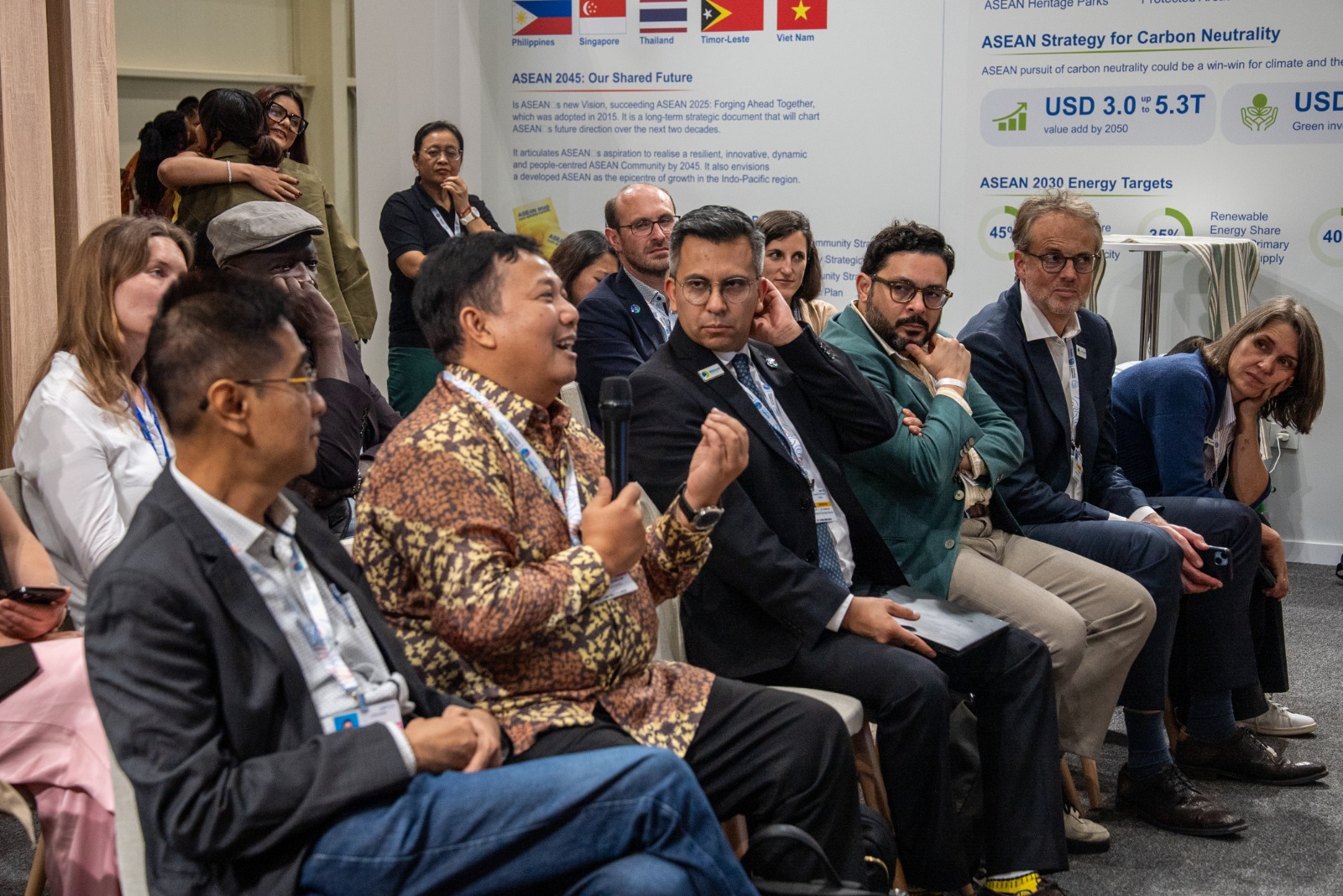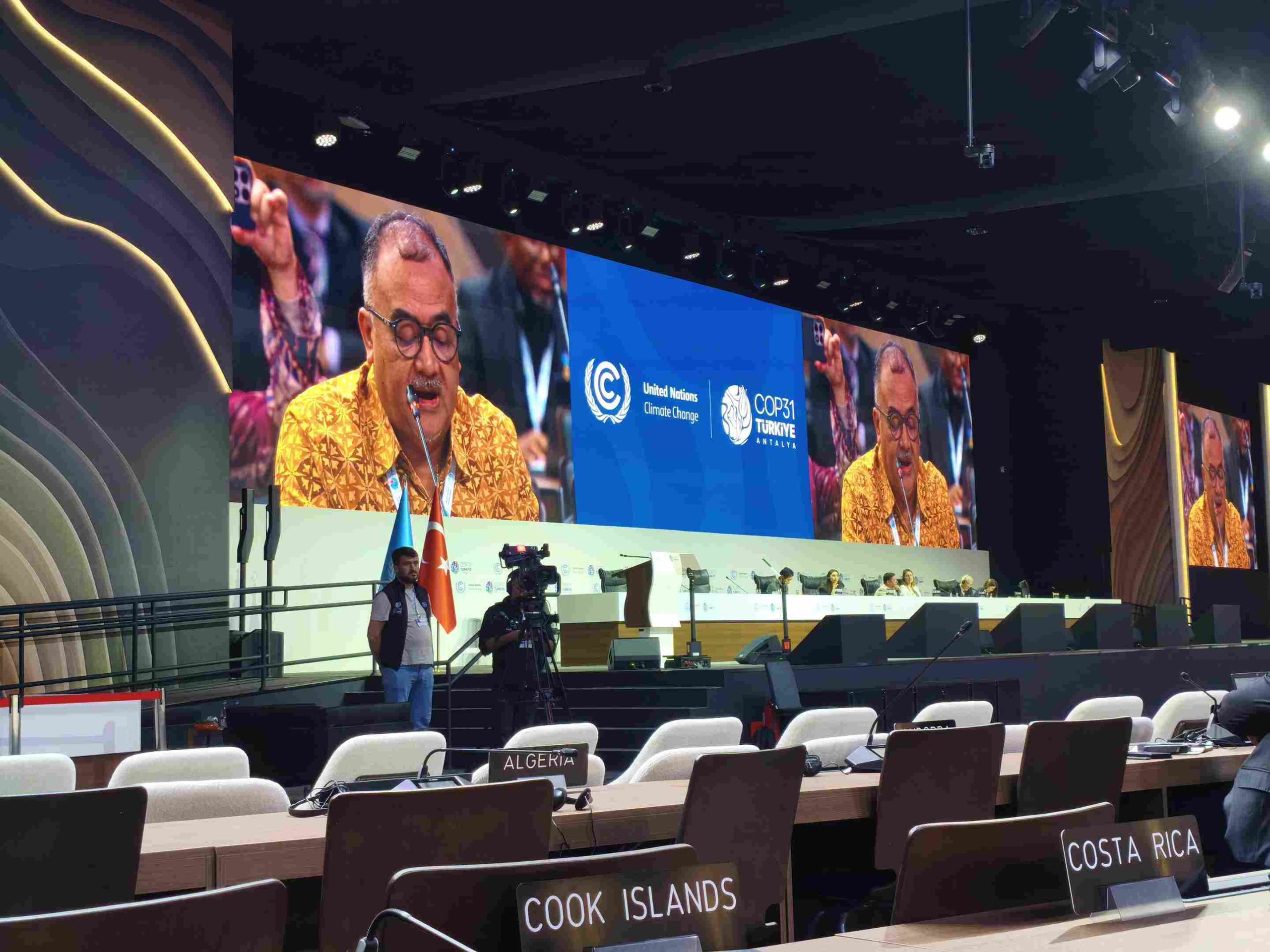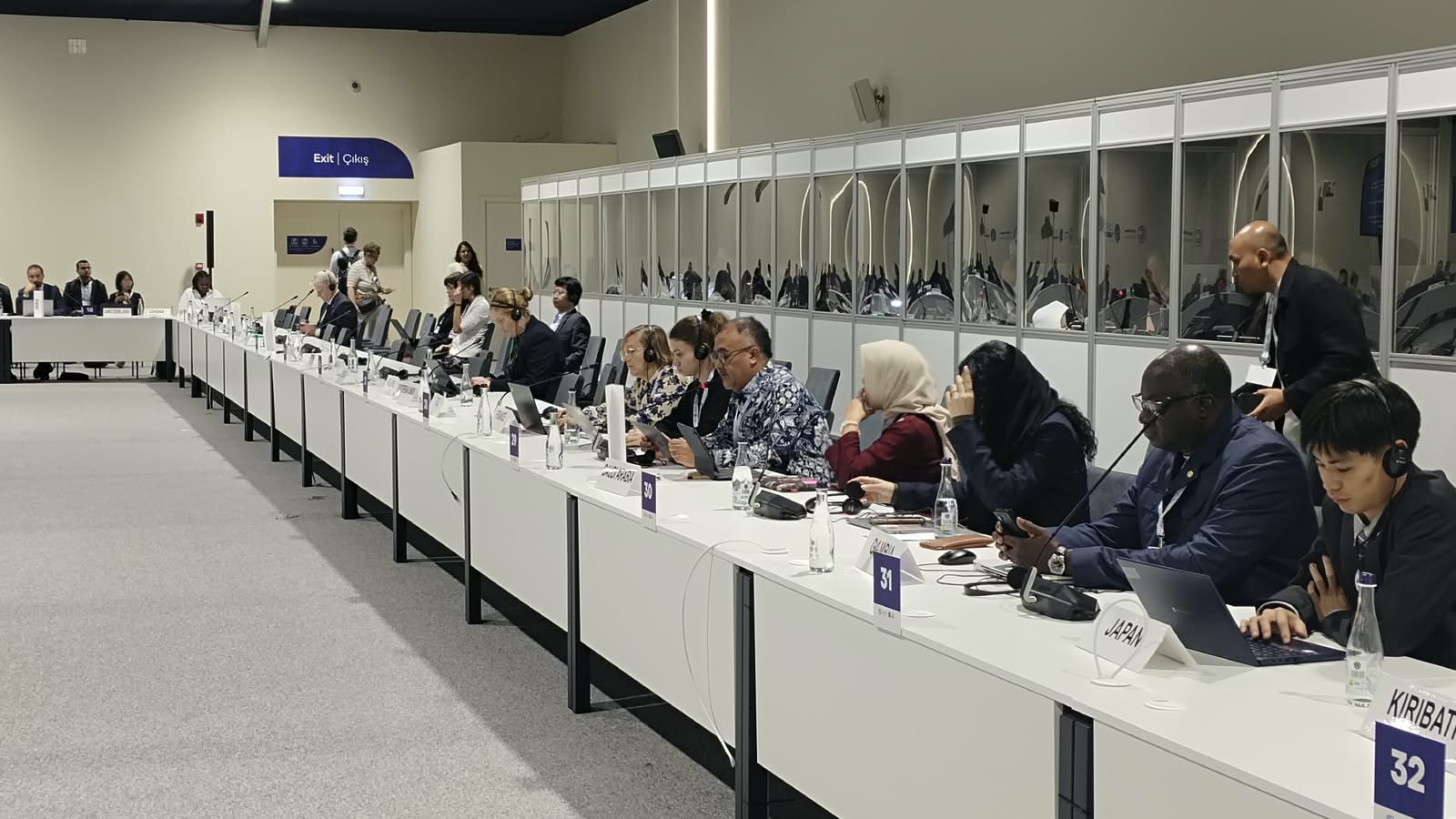
Enviro News Asia, Antalya — Indonesia has presented evidence of its domestic climate action at the 31st United Nations Climate Change Conference (COP31), stressing that global climate ambition must be matched by practical support for developing countries.
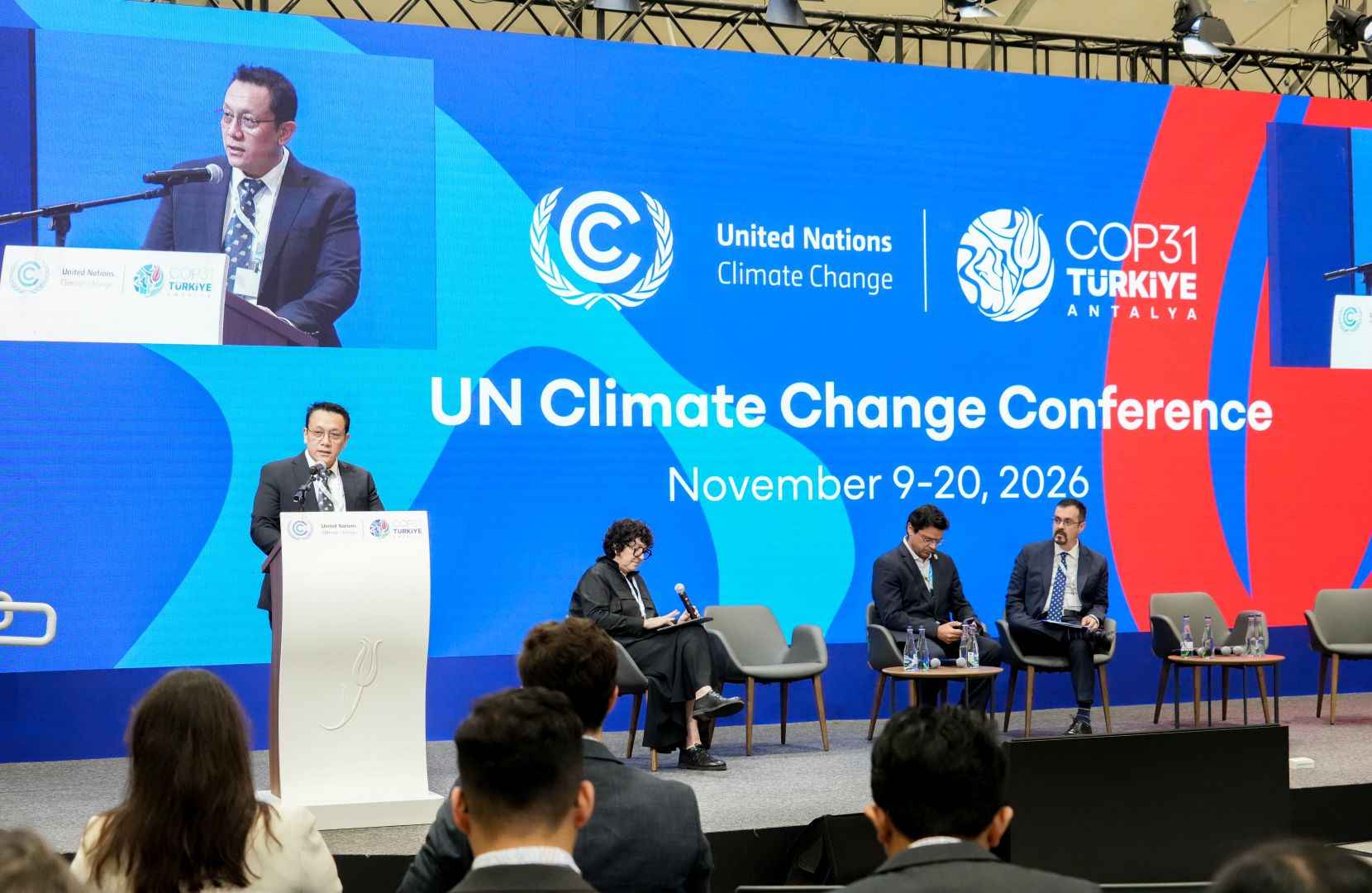
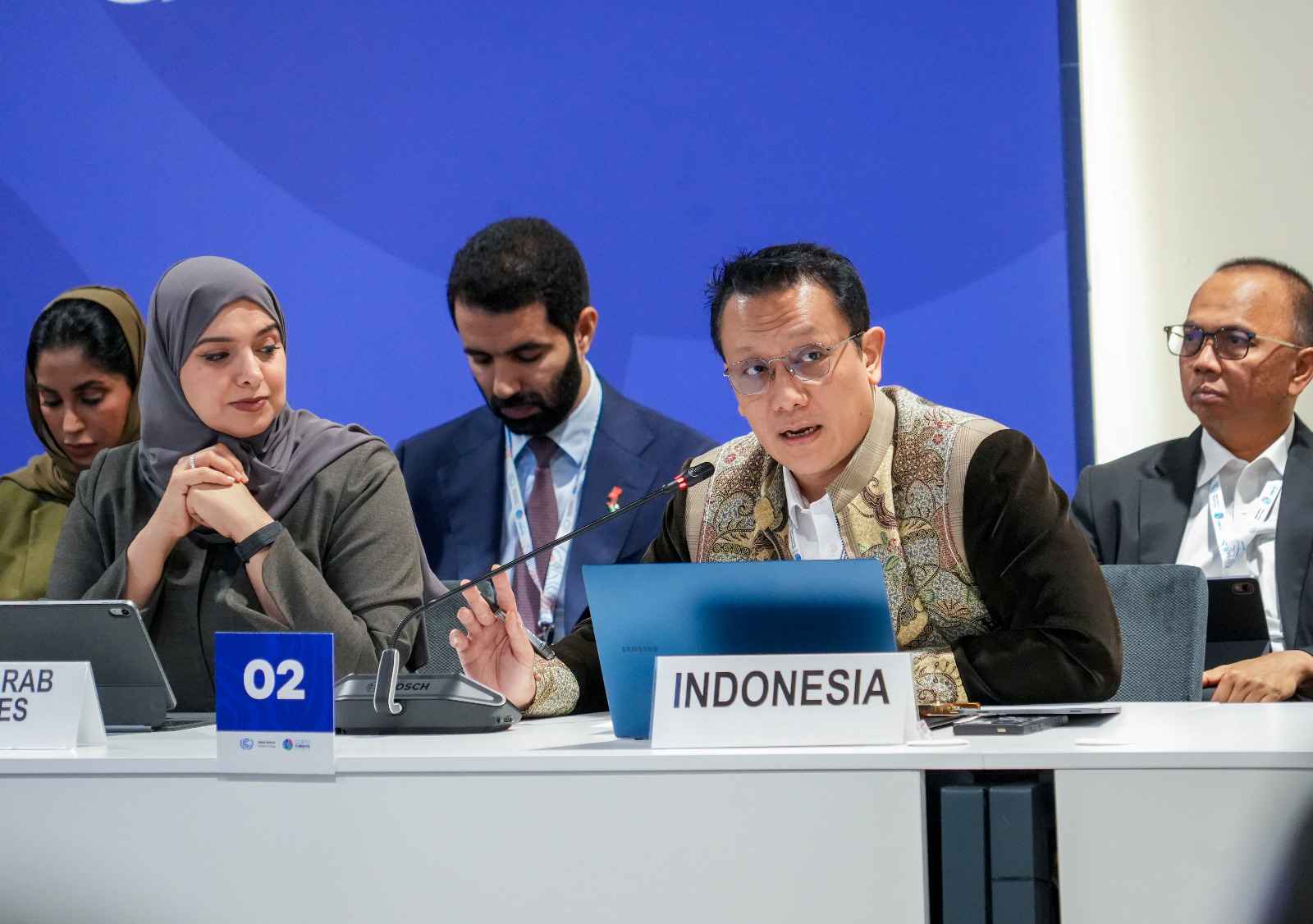
Ary Sudijanto, Deputy for Climate Change Control and Carbon Economic Value Governance at the Ministry of Environment and the Environmental Control Agency (KLH/BPLH), outlined Indonesia’s climate policy measures during the 2026 Annual High-Level Ministerial Roundtable on Pre-2030 Ambition in Antalya, Türkiye, on November 17, 2026.
He highlighted the country’s Nationally Determined Contribution (NDC), its first Biennial Transparency Report (BTR), carbon economic value regulations and preparations for a Climate Change Bill as key elements of its climate governance framework.
Ary said future work programmes must strike an effective balance between ambition and implementation.
Indonesia’s climate commitments are guided by its NDC and First Biennial Transparency Report, which provides the country’s initial biennial account of its climate actions and progress to the international community. Both are aligned with the global goal of limiting the rise in average temperatures to 1.5 degrees Celsius.
The government has reinforced this framework through Presidential Regulation No. 110 of 2025 on Carbon Economic Value Instruments and National Greenhouse Gas Emissions Control. It is also preparing a Climate Change Bill that would bring mitigation, adaptation, implementation support, carbon economic value and transparency under a single legal framework.
At the implementation level, Indonesia continues to advance mitigation measures across various sectors, including blue carbon initiatives. These involve protecting and utilising coastal and marine ecosystems, such as mangroves and seagrass meadows, as natural carbon sinks.
However, Indonesia stressed that achieving climate targets by 2030 will require accessible international support for developing countries, particularly in financing, technology transfer and capacity building.
The country also outlined its position on the Mitigation Work Programme (MWP), a framework under the United Nations Framework Convention on Climate Change (UNFCCC) designed to strengthen global emissions mitigation ambition and implementation.
Ary emphasised that the programme should retain its non-prescriptive, non-punitive and facilitative nature. Its implementation, he said, must respect national sovereignty and individual country circumstances without imposing new targets beyond existing NDC commitments.
Indonesia supports extending the MWP until 2030 to align it with the first NDC cycle. The programme should then undergo an evaluation in 2030 to determine its direction through 2035, in line with the NDC 3.0 cycle.
Indonesia also called for targeted support to help developing countries strengthen their Measurement, Reporting and Verification (MRV) systems, which are essential for ensuring that emissions reductions are accurately recorded and credibly verified.
Through its participation at COP31, Indonesia reaffirmed its commitment to domestic climate action while advocating for a fair international approach in which stronger global ambition is accompanied by adequate support for implementation in developing countries. (*)