Enviro News Asia, Jakarta — Forestry Minister Raja Antoni has reaffirmed Ujung Kulon National Park in Banten as the primary habitat of the Javan rhinoceros, saying the government will focus on restoring its forest ecosystem and strengthening protection while studying the possibility of establishing a second wild population elsewhere.
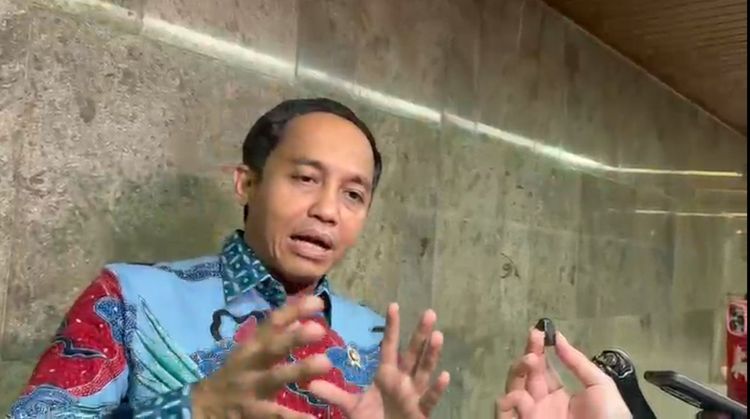
Raja made the statement at the House of Representatives in Jakarta on Thursday, stressing that conservation efforts must first ensure the safety and quality of the rhino’s existing habitat.
“The main idea is to keep Ujung Kulon as its primary home. We must improve the forest, rehabilitate the ecosystem and strengthen security by deploying more camera traps and forest rangers to ensure that the Javan rhino’s main habitat remains well protected,” he said.
The minister said scientists had recommended identifying a second habitat, or establishing a second wild population, to reduce the species’ dependence on a single location. However, the proposal remains under scientific study, with several national parks being considered, including Baluran and Alas Purwo in East Java.
Other potential locations may also be assessed as researchers examine their suitability for supporting a separate wild population.
Raja emphasised that the government would not make decisions about establishing a second habitat without scientific recommendations. Researchers from IPB University and Gadjah Mada University (UGM), he said, had studied the species from undergraduate to doctoral levels, while international partners had also expressed interest in supporting research projects.
He said any decision to relocate Javan rhinoceroses would depend on the findings of those studies and expert recommendations.
If scientists eventually recommend translocation, the government would not move the entire population. Instead, only a small number of animals could be relocated to establish a second wild population, with the destination and relocation methods subject to further assessment.
The government’s approach therefore combines efforts to safeguard Ujung Kulon as the species’ primary habitat with research into establishing an additional population. Both measures are intended to strengthen the long-term prospects for the Javan rhinoceros, one of Indonesia’s most threatened wildlife species. (*)