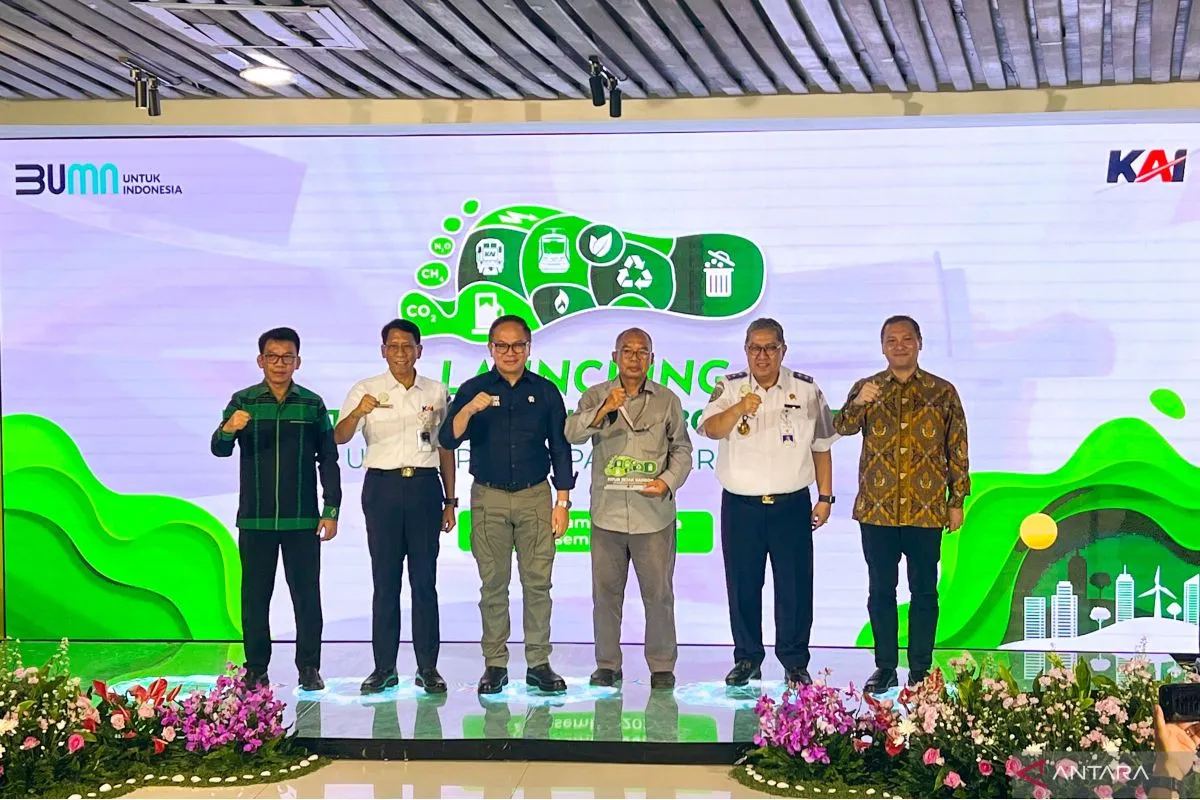
Enviro News Asia, Jakarta – PT Kereta Api Indonesia (Persero), also known as KAI, has launched the Carbon Footprint feature as part of its efforts to create efficient, eco-friendly transportation while strengthening its commitment to innovation and sustainability in Indonesia’s railway sector.
Deputy Minister of State-Owned Enterprises, Kartika Wirjoatmodjo, said in Jakarta on Monday that the Carbon Footprint feature is a significant breakthrough in promoting transportation efficiency and sustainability in Indonesia.
“This initiative reflects KAI’s commitment to continually providing innovative and environmentally friendly transportation solutions,” Kartika stated, as reported by Antara.
The Deputy Minister praised KAI’s latest innovation, highlighting its substantial benefits for both society and the environment. KAI has consistently introduced premium services such as the Whoosh train, the Jabodebek LRT, and compartment trains, offering enhanced passenger comfort.
“These innovations demonstrate that KAI not only prioritizes sustainability but also focuses on improving service quality for the broader community,” she added.
Meanwhile, KAI President Director Didiek Hartantyo emphasized that the Carbon Footprint feature integrates environmental education into transportation services.
“Sustainability and environmental preservation are top priorities in development. Through this feature, we aim to underline that trains are not only an efficient transportation solution but also an eco-friendly one. This innovation is a tangible step toward supporting sustainable development goals and achieving net-zero emissions,” Didiek explained.
KAI continues to reinforce its commitment to sustainable business practices in Indonesia. The S&P Global ESG rating for KAI, released on December 18, 2024, recorded a score of 41. As KAI’s first year participating in the ESG rating, this score is an impressive achievement, placing KAI in a globally competitive position.
With a score of 41, KAI ranks in the top 20 percent of the global transportation and transport infrastructure sector. This accomplishment reflects KAI’s dedication and seriousness in embarking on its sustainability journey in the first year of the ESG assessment process.
“This score serves as a strong foundation for KAI to continue improving its ESG performance, building its reputation as a sustainable mass transportation company, and contributing to global sustainability targets,” Didiek concluded.