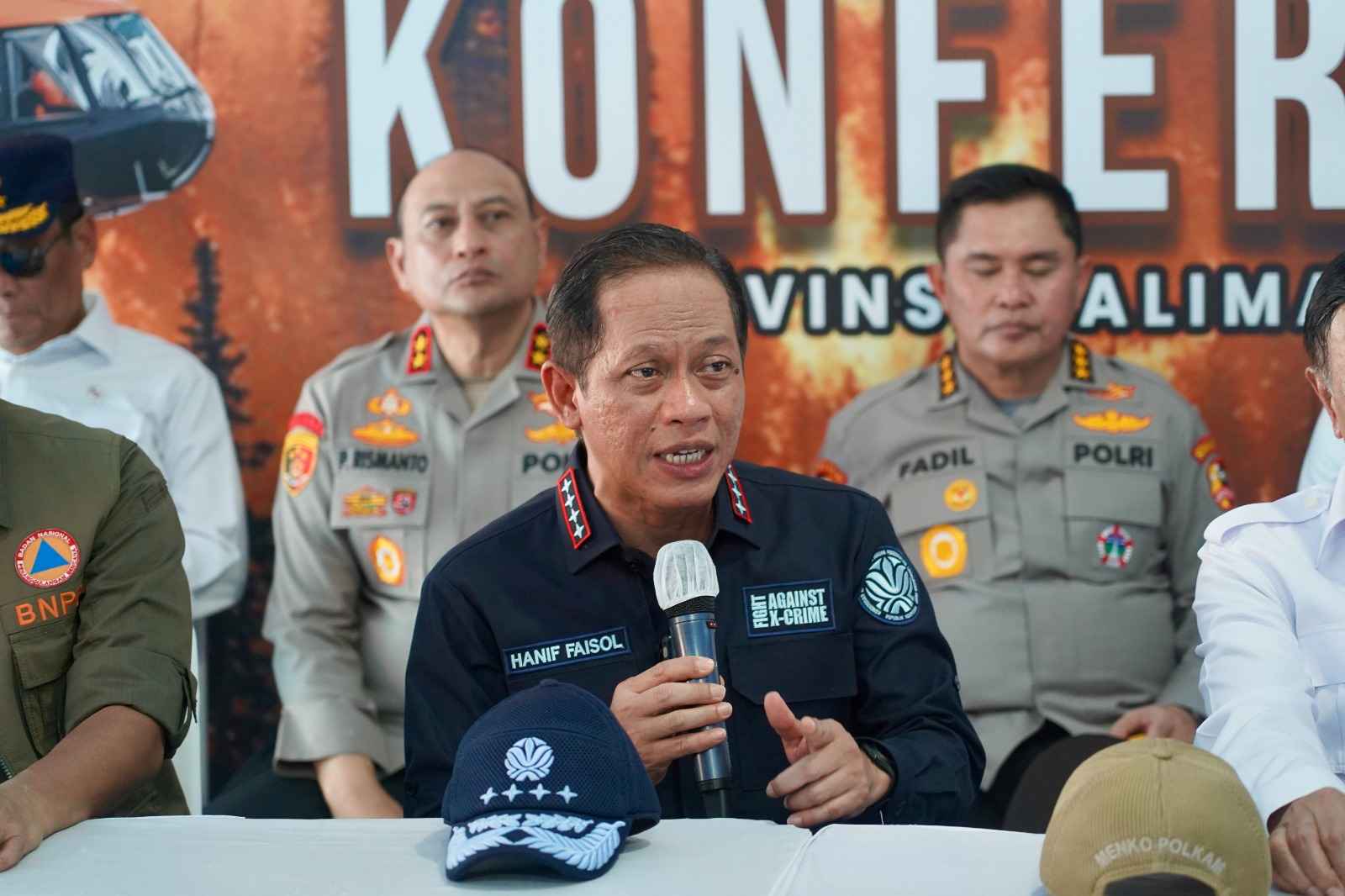
Enviro News Asia, Ciamis — The Minister of Environment and Head of the Environmental Control Agency (KLH/BPLH), Hanif Faisol Nurofiq, highlighted persistent waste mismanagement practices in residential areas of Ciamis Regency, West Java, during a field visit on February 1, 2026.
The visit exposed ongoing household waste disposal into rivers and the widespread practice of open waste burning in densely populated neighborhoods, particularly in the Bolenglang area. These findings contrasted with positive administrative waste management indicators reported at the regional level and underscored behavioral challenges at the community level that threaten environmental sustainability goals.
The minister conducted on-site observations and direct dialogues with residents, revealing that limited access to waste collection services has driven some households to burn waste or discard it into nearby waterways. While a portion of the community has begun sorting waste for economic reuse, others admitted to continuing environmentally harmful practices due to infrastructure gaps.
Hanif emphasized that effective waste management requires equal commitment from local governments and active public participation. He stated that Ciamis possesses adequate macro-level capacity, but weaknesses in addressing micro-level residential zones could obstruct efforts to resolve waste issues at their source.
He warned that incomplete upstream waste management would shift environmental burdens downstream, increasing the risks of flooding, pollution, and long-term ecological damage.
“From a macro perspective, the waste management indicators look good, but our field review shows several areas that need serious improvement. Many residents still lack waste services, leading to independent waste burning. This behavior requires stronger guidance and supervision from the local government,” Hanif said during discussions with residents.
The minister also stressed that rivers should not be treated as dumping grounds, but as vital ecological systems vulnerable to pollution and microplastic contamination. He underlined that household-level waste sorting and responsible disposal are essential to achieving zero-waste targets.
Hanif added that even advanced waste infrastructure would be ineffective without behavioral change at the neighborhood level, particularly in densely populated residential areas.
The visit delivered a clear message to the Ciamis Regency administration and other regional governments across Indonesia that waste governance must extend beyond main roads and formal service areas into residential alleys and households. Continuous community education and expanded waste service coverage are required to eliminate open burning and illegal dumping practices.
“Residential neighborhoods are the starting point of environmental protection. Behavioral transformation at this level will determine whether our environmental future is sustainable or overwhelmed by unmanaged waste,” Hanif concluded. (*)