Enviro News Asia, Jakarta — The Ministry of Forestry has launched a weather modification operation to reduce the risk of forest and land fires (karhutla) in Riau, as part of intensified prevention efforts during the early dry season.
Director of Forest Fire Control Thomas Nifinluri stated that the operation will run from April 14 to 22, 2026, involving 14 flight sorties aimed at increasing land moisture through artificial rainfall and replenishing water reserves.
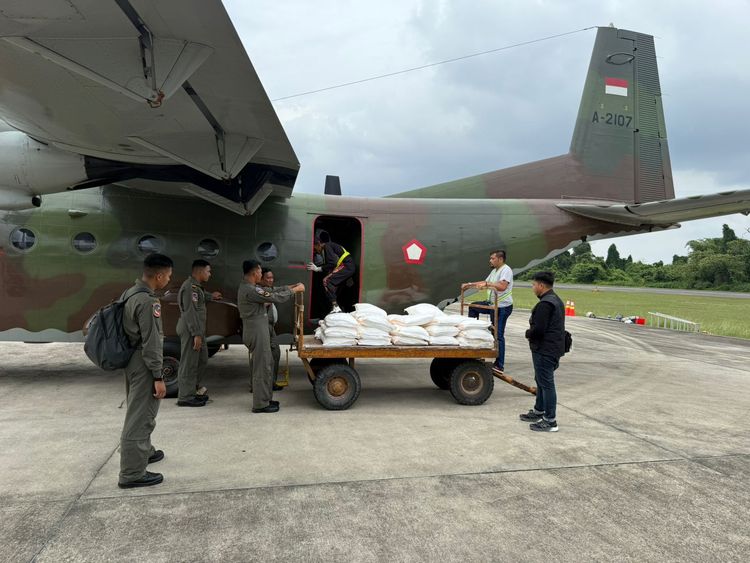
The operation is being conducted in collaboration with the Meteorology, Climatology, and Geophysics Agency and the Indonesian Air Force. As of April 15, cloud seeding had been carried out in two sorties using 1,600 kilograms of sodium chloride (NaCl), targeting areas including Siak, Bengkalis, Meranti Islands, and Dumai.
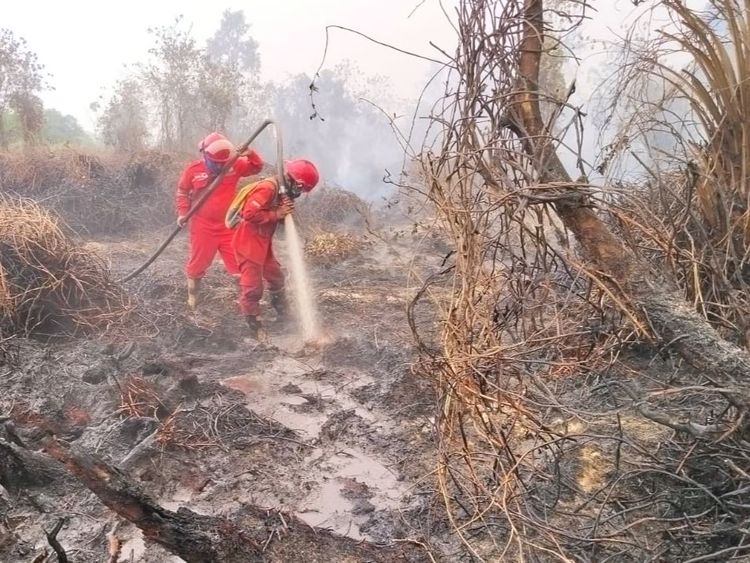
Riau has been identified as one of Indonesia’s most fire-prone regions and entered the dry season earlier than usual in February 2026. The provincial government has declared an emergency alert status for forest fires from February 2 to November 30, 2026.
Data from the Ministry of Forestry shows that from January to March 2026, forest fires affected 55,324.2 hectares nationwide, with West Kalimantan, Riau, and Riau Islands recording the largest burned areas.
Thomas emphasized that weather modification has become a key innovation in Indonesia’s long-term fire prevention strategy since 2015, shifting the focus from reactive responses to preventive measures. These include patrols, public awareness campaigns, and community-based fire prevention initiatives.
Meanwhile, Director of Weather Modification Operations Budi Harsoyo explained that the operation aims to optimize rainfall to maintain soil moisture and support peatland water levels, which are crucial for preventing fires.
Currently, three aircraft are deployed for the operation with support from the National Disaster Management Agency and the Ministry of Forestry, operating simultaneously across designated seeding areas.
Authorities hope the operation will help maintain peatland moisture levels above critical thresholds and reduce the likelihood of fires during the peak dry season. (*)